

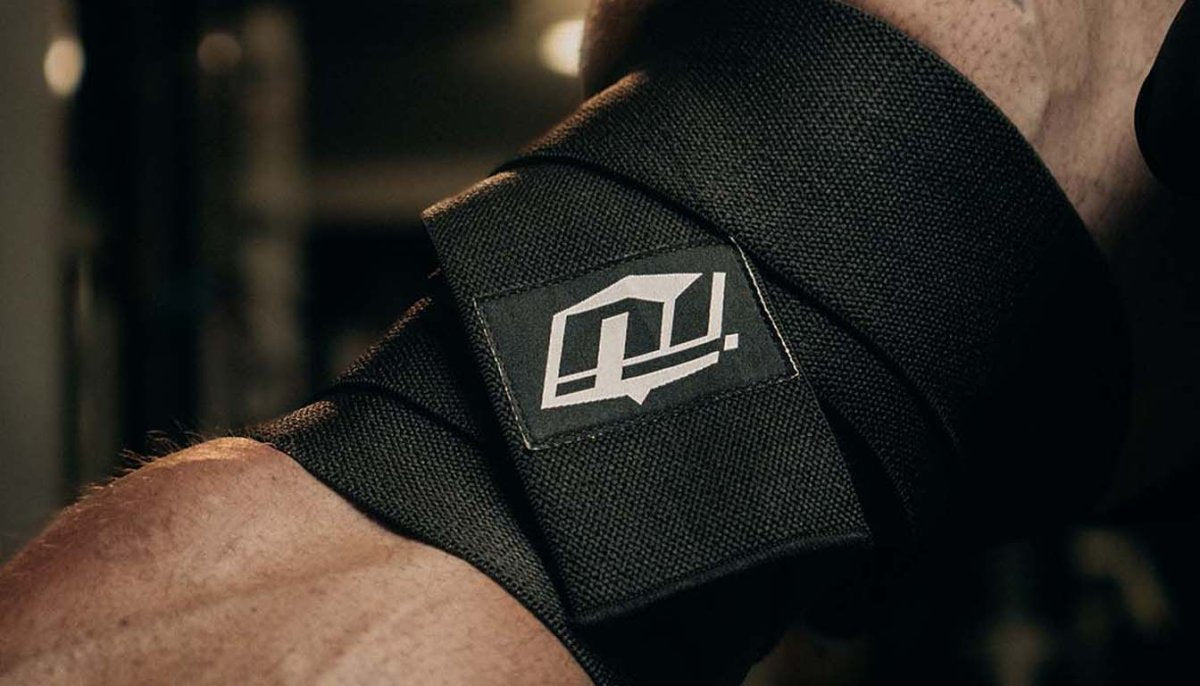
Most lifters treat knee support as an afterthought, but the right equipment is often the only thing standing between a frustrating plateau and a new personal record. When you're pushing toward a maximal squat, the right weight lifting knee wraps provide more than just comfort; they offer the mechanical rebound necessary to drive through the sticking point. You've likely felt that hesitation at the bottom of a heavy rep, where the pressure on your patellar tendon makes the eccentric phase feel like a liability. It's a common hurdle for athletes who value grit and operational excellence in their training.
This guide provides the technical expertise you need to master wrap application, ensuring you leverage stability without sacrificing joint health. We'll examine the specific methods used by professionals to protect the knees under extreme tension. You'll learn how to choose the correct material stiffness, apply the wraps for optimal compression, and integrate Weight Lifting Knee Wraps from Team Industry into your heavy sessions. We'll cover everything from current 2026 IPF regulations to recovery tips so you can safely increase your capacity and eliminate post-session soreness.
Key Takeaways
- Understand how elastic energy storage during the descent provides the mechanical rebound necessary to drive through sticking points.
- Compare the fixed compression of sleeves against the adjustable tension of wraps to decide which tool fits your current strength phase.
- Learn the correct way to apply weight lifting knee wraps to ensure joint stability and prevent the 'hot spots' that lead to post-session soreness.
- Evaluate material durability and length to find the right support, such as the high-tension Weight Lifting Knee Wraps provided by Team Industry.
Understanding the Mechanics: Why Lifters Use Knee Wraps
Weight lifting knee wraps are specialized elasticated bands engineered for the rigours of heavy strength training. Unlike standard sleeves, these wraps provide intense compression that physically alters the mechanics of a squat or leg press. By tightly binding the joint, they reduce the shear force placed on the patellar tendon during high-load movements. This protection is vital for athletes dealing with the grit of maximal attempts. The rebound effect is the mechanical assistance provided by compressed elastic material as it returns to its original shape.
The Science of Elastic Energy in Strength Sports
During the eccentric phase of a lift, the material of the wrap stretches and stores potential energy. This process creates a spring-like tension at the bottom of the squat. As you transition to the concentric phase, this stored energy is released, providing a tactical boost to your upward drive. These tools are recognized as essential supportive equipment in powerlifting because they allow for force production that exceeds unassisted capacities. This mechanical advantage is why many competitive lifters switch to wraps when preparing for a personal record.
Compression also serves a psychological purpose by increasing proprioception. This is the body's ability to perceive its own position and movement in space. The high tension from weight lifting knee wraps provides constant tactile feedback to the brain. This feedback loop increases joint confidence, allowing you to maintain better form under extreme loads. It's a pragmatic solution for lifters who need to ensure every rep is stable and controlled. Using professional-grade wraps ensures the material remains durable even under maximum tension, providing a reliable partnership between the athlete and their gear.
Knee Wraps vs. Knee Sleeves: Which Should You Choose?
Selecting the right joint support is a pragmatic decision based on your specific training block. Neoprene sleeves provide consistent compression and warmth throughout a workout, making them ideal for high-repetition accessory work. In contrast, weight lifting knee wraps are designed for peak force production. They allow for adjustable tension, meaning you can tighten them for a specific set and remove them immediately after. This flexibility is essential when you're moving into the heaviest phases of your program, where the grit of the lift demands extra stability.
When choosing between knee wraps and sleeves, consider your intensity. A reliable rule of thumb is to transition to wraps once you reach 85% of your one-rep max (1RM). At this load, the mechanical assistance and tendon protection become more valuable than the convenience of a sleeve. For insights on how other gear impacts your performance, our guide to lifting straps explores similar mechanics for pulling movements.
When to Reach for Knee Wraps
Reserve wraps for maximal effort squats, heavy leg presses, and strongman events. Their primary role is to facilitate extreme loads by storing elastic energy. Using them for low-intensity, high-volume sets can actually hinder your progress by reducing the demand on your natural stabilizers. Focus on using them as a tactical tool for your top sets to maximize safety and output. If you're preparing for a heavy session, ensure you have professional-grade Weight Lifting Knee Wraps ready for your peak sets.
The Benefits of Neoprene Sleeves for Bodybuilding
Bodybuilders often prefer sleeves because they maintain joint temperature during long hypertrophy sessions. Keeping the synovial fluid warm reduces friction and improves joint longevity. If your goal is muscle growth rather than a maximal PR, explore the Team Industry joint support range for reliable daily training options. This ensures you maintain operational excellence across every set without the downtime required to re-wrap between movements.
How to Wrap Your Knees: Techniques for Squats and Leg Press
Technical application is the deciding factor between a supportive lift and a wasted set. To begin, sit on a bench with your leg fully extended and your quad completely relaxed. Start the wrap just below the knee, at the top of the calf muscle, and work your way upward. Wrapping from the bottom up ensures the compression pushes fluid toward the heart rather than pooling it in the lower leg. Maintain consistent tension throughout every revolution to prevent slipping or the creation of painful 'hot spots' during the eccentric phase. A properly applied wrap should be tight enough to restrict movement when standing.
The Spiral Wrap for General Support
The spiral technique is the standard for bodybuilders and those new to weight lifting knee wraps. Overlap each layer by about half the width of the material as you move up the leg to create a uniform layer of compression. This provides a steady rebound and consistent joint warmth. It's particularly effective for leg press sessions where you need reliable stability across multiple sets without the extreme bite of more aggressive powerlifting patterns.
The X-Pattern (Cross-over) for Maximal Stability
For maximal effort powerlifting, the X-pattern provides targeted support directly over the patella. After two initial anchor revolutions at the base, cross the material diagonally over the kneecap. Return across in the opposite direction to form a distinct 'X' before finishing with several tight revolutions around the lower thigh. Anchor the wrap securely by tucking the end under the top layer. This method maximizes the mechanical rebound for heavy singles and helps maintain patellar tracking under extreme loads.
Ensure your gear can handle the tension by using professional-grade Weight Lifting Knee Wraps designed for the grit of heavy sessions. Choosing a durable material ensures the wrap won't lose its elasticity when you're pushing for a new personal record.
Choosing the Right Knee Wraps for Your Strength Goals
Selecting the correct weight lifting knee wraps requires a pragmatic assessment of your specific training goals. Flexible wraps offer a balance of support and mobility, making them ideal for high-volume hypertrophy blocks where you need consistent tension across multiple reps. In contrast, heavy-duty stiff wraps are built for the grit of maximal powerlifting. They provide the extreme cast feeling needed to stabilize the joint during a 1RM attempt. In the UK, 2-metre wraps are the standard length for most competitive federations, offering sufficient coverage for a secure anchor. Prioritize designs with high-quality velcro or reinforced tuck-in ends to prevent the material from loosening. You can find professional-grade options in the Team Industry Strength Gear collection.
Durability and Maintenance of Elastic Gear
To ensure your equipment remains a dependable partner, proper maintenance is essential. Never leave your wraps tightly rolled in a gym bag after a session. This practice traps sweat and moisture, which causes the elastic fibres to lose their rebound capacity and break down prematurely. Instead, unroll them and hang them to air dry in a well-ventilated area. If the material becomes soiled, hand wash them with a mild detergent and avoid machine drying, as high heat destroys the elastic integrity. These simple habits protect your investment and ensure consistent performance under load.
Integrating Wraps into Your Training Programme
Mastering the use of weight lifting knee wraps takes time and deliberate practice. Gradually introduce them during the final weeks of a strength cycle, starting with your lighter warm-up sets to get accustomed to the restricted range of motion. This phased approach allows you to refine your wrapping technique before the loads become critical. For total core and joint stability, combine your wraps with a Team Industry Lifting Belt. This combination provides the internal pressure and external support required for safe, maximal force production. By treating your gear as a vital part of your training infrastructure, you ensure every session is productive and secure.
Elevate Your Maximal Strength Training
Mastering the use of these supportive tools is a tactical move for any athlete looking to push past a plateau safely. By understanding the mechanical rebound of the elastic and applying consistent tension from the calf upward, you protect your joints while maximizing force production. Choosing a professional-grade wrap ensures your equipment withstands the high-tension demands of powerlifting and strongman sessions. These tools are a vital part of a pragmatic training infrastructure designed for operational excellence.
Team Industry provides professional-grade strength equipment trusted by UK strongmen and powerlifters. Our wraps feature durable heavy-duty elastic that maintains its integrity through the most intensive sets. When you're ready to secure your next personal record, Shop Team Industry weight lifting knee wraps to experience the difference that high-standard gear makes. This partnership between athlete and equipment is essential for maintaining stability under maximal loads.
Consistency and the right support are the keys to long-term progress. Stay focused on the grit of the work and keep pushing your limits.
Frequently Asked Questions
Are knee wraps better than knee sleeves for heavy squats?
Knee wraps are superior for maximal attempts because they provide mechanical assistance through elastic rebound. While sleeves offer consistent compression and joint warmth, they don't store energy to the same degree. Athletes typically switch to weight lifting knee wraps from Team Industry when performing squats at 85% of their one-rep max or higher. This allows for increased force production and better patellar tendon protection during the heaviest eccentric phases of the lift.
How tight should I wrap my knees for weight lifting?
Your wraps should be tight enough to significantly restrict your range of motion when standing upright. A properly applied wrap creates a 'cast' feeling that supports the joint under heavy loads. However, you should remove them immediately after your set to restore circulation. If you experience sharp pain, numbness, or skin discoloration before starting your lift, the tension is likely too high and requires immediate adjustment for safety.
Can I use knee wraps for every leg workout?
Reserve weight lifting knee wraps for your heaviest sets rather than using them for every leg session. Relying on wraps for high-volume or low-intensity accessory work can hinder the development of your natural joint stabilizers. Use them as a tactical tool during peak strength phases or when testing your maximum capacity. This approach ensures you benefit from the added support without compromising your long-term functional stability or joint health.
Do knee wraps prevent injuries like ACL tears?
Knee wraps provide significant stability and help maintain proper patellar tracking, which reduces the risk of tendonitis and minor strains. They don't provide a guarantee against major ligament injuries like ACL tears, which often occur due to rotational forces or poor mechanics. The primary safety benefit is the reduction of shear force on the joint during the descent of a heavy squat, allowing the athlete to handle maximal loads more safely.
Are knee wraps allowed in powerlifting competitions?
Eligibility depends entirely on your chosen division and federation. Most powerlifting federations allow wraps in 'Equipped' or 'Classic' categories, while 'Raw' divisions typically restrict lifters to knee sleeves. Always consult the official approved equipment list for your specific federation, such as the IPF list valid through 2026. Using non-approved gear can lead to disqualification, so verify your equipment's compliance well before your competition date to ensure operational excellence.
Share:
Powerlifting Apparel Guide: Performance and Safety
Build a Stronger Chest: The Ultimate Gym Routine Guide