

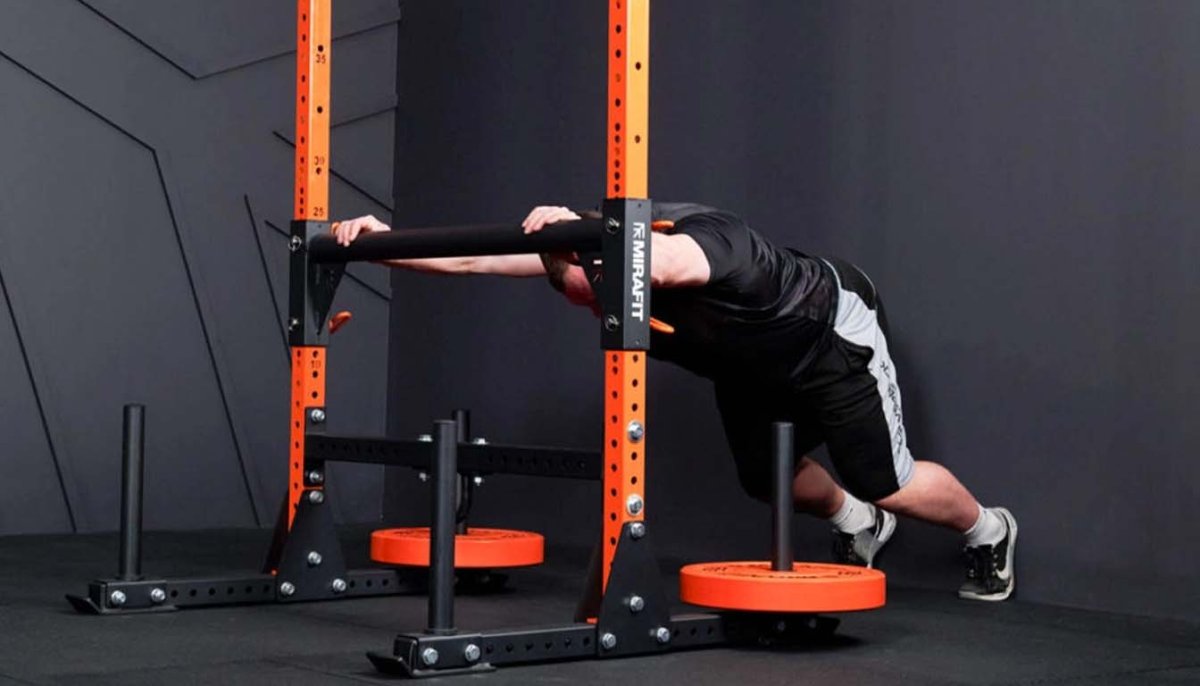
What if the most useful strongman event for your powerlifting isn’t the heaviest one, but the one that addresses a gap in your training? Strongman training for powerlifters can add carries, loading and grip work, but extra sessions may also compete with recovery and practice on the squat, bench press and deadlift.
That concern is valid. Strongman events don’t automatically improve your competition lifts, and you don’t need specialist equipment to explore event-style training. Choose work that supports a specific priority, then keep its volume and effort manageable.
This article explains how events such as farmer’s walks, carries and stone-style loading may complement powerlifting, and how to introduce them without letting them take over your programme. You’ll also learn what to consider around equipment access, coaching and recovery, so you can make a practical choice while keeping competition-lift practice at the centre of your training.
Key Takeaways
- Strongman training for powerlifters is most useful when it targets a clear need, not when it replaces practice on competition lifts.
- Match each event to a quality you want to develop. Any carryover to your lifts is individual, not guaranteed.
- Introduce one event at a time, fit it around your existing programme, and review how it affects your performance and recovery.
- Choose a starting point that suits your training phase, experience and available equipment, then build skill before increasing complexity.
Strongman Training for Powerlifters: What Transfers, and What Does Not
Strongman training for powerlifters means practising event-style tasks alongside your powerlifting programme. Carries, loading objects and pulling awkward implements challenge strength in ways that differ from the squat, bench press and deadlift. They may build useful general qualities, but improvement in an event doesn’t automatically mean a bigger competition total. The Strongman overview shows the range of events involved.
Think of event work as a possible supplement, not a substitute. Carryover depends on your current needs, the event you choose, your technique and how the work fits around your main lifts and recovery. Before adding an event, name the quality you want to practise and consider how you’ll tell whether the extra work is helping. For example, note whether your planned lifting sessions remain consistent and whether fatigue affects your technique.
For a practical look at fitting events into a powerlifting programme, watch this video:
How strongman events differ from the powerlifting big three
Powerlifting practice centres on repeatable competition movements and standards. Strongman events can involve different implements, positions and demands. A farmer’s carry requires sustained grip while moving, while loading an object involves lifting and placing it efficiently. Each event has its own setup and technique, so begin with manageable loads and practise the movement before pushing intensity. General strength helps, but event skill needs specific practice.
Which powerlifting needs strongman work might support
Choose an event to address a training consideration, such as grip endurance, bracing under movement, upper-back strength or general work capacity. A controlled carry, for instance, challenges grip and trunk stability while walking, but it won’t necessarily fix a weak deadlift lockout. Some strongman pulls use lifting straps, which changes the grip demand and makes the exercise different from competition-style powerlifting practice. Keep the main lifts central, then assess whether the added work supports your goals without disrupting technique, performance or recovery.
Choose Strongman Events That Match Your Powerlifting Priorities
Choose an event because it addresses a specific training goal, not simply because it looks challenging. Strongman training for powerlifters can include carries, loading variations and implement pulls, but each has distinct equipment, skill and fatigue demands. Start with one variation you can practise safely and fit around your current programme.
Match event demands to a specific training goal
| Event example | Main demand | Consider if your focus is |
|---|---|---|
| Farmer’s carry | Loaded movement, grip and bracing while walking | Practising trunk control under movement |
| Loading variation | Picking up and placing an object, often with changing positions | Developing a familiar hinge or squat pattern in a different task |
| Implement pull | Pulling an unfamiliar implement, with grip demands that vary by setup | Adding a pulling variation or practising grip, where appropriate |
These are options, not a checklist. A carry needs space and a suitable load; loading requires an object you can handle safely; implement pulls depend on the equipment available. Technique matters in each. Westside Barbell’s Strongman Training for the Powerlifter also discusses using event movements to address training needs. Select the variation that best matches yours instead of adding every event at once.
Know when to leave an event out
If your squat, bench press or deadlift technique needs focused practice, protect that work first. An unfamiliar event can create fatigue or skill demands that affect a key session, especially if it falls too close to that session. During a competition-focused block, keep event work conservative or set it aside if it interferes with planned lifting.
If a pull variation calls for straps, remember that they change the grip demand and don’t replace practice on your usual competition lift. For that specific setup, review the lifting straps range alongside your equipment needs.
How to Add Strongman Work Without Losing Powerlifting Focus
Keep your powerlifting programme as the framework. Add event work only when it serves a defined goal, and make changes based on how you respond rather than following a fixed template. This keeps strongman training for powerlifters focused on supporting your main lifts, not competing with them.
- Define the goal. Pick one quality to address, such as grip endurance or bracing while moving.
- Choose one event. Select a familiar variation that matches the goal and the equipment you can use safely.
- Place it deliberately. Do priority competition lifts first on a session where lift quality matters. If event practice leaves you fatigued or affects technique, move it away from key sessions or reduce its demands.
- Review your response. Use your normal training notes to track lift quality, fatigue, soreness and readiness. If performance or recovery declines, scale back the event or return to your previous plan.
Keep event practice in its place
Order work by priority. If the day’s main goal is a squat, bench press or deadlift session, complete that work before demanding event practice. Alternatively, place event work on a separate training day if fatigue or soreness carries into a key lift. Avoid introducing unfamiliar, strenuous events close to competition. Protect the practice and recovery your current phase requires.
Use equipment to solve a specific problem
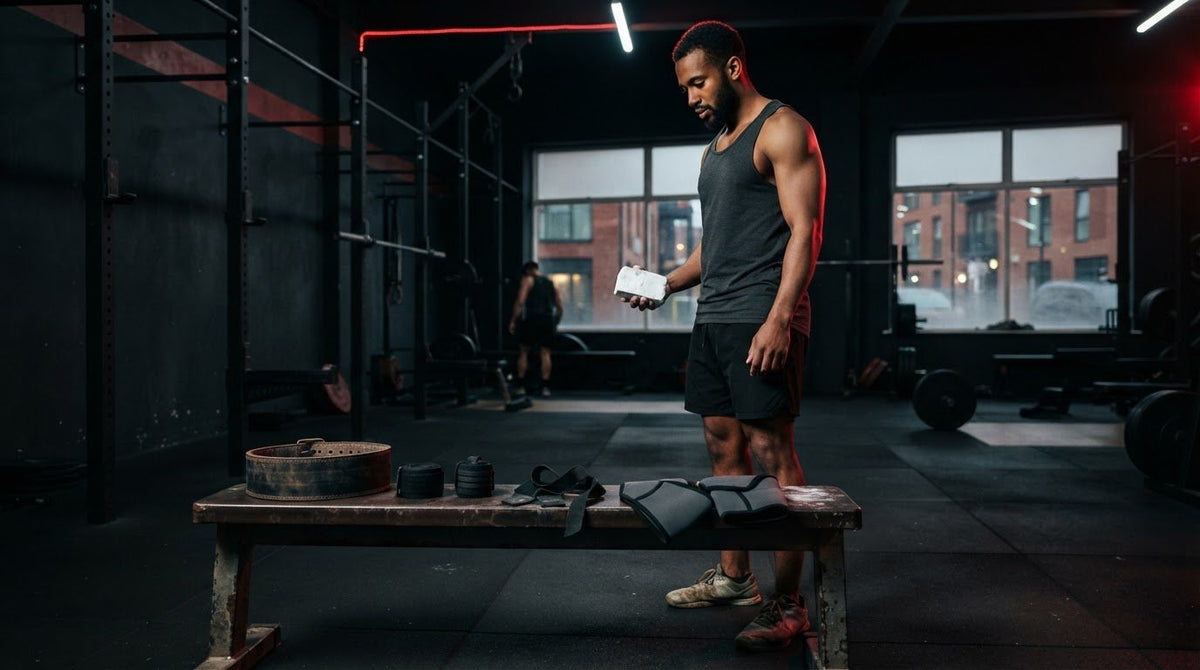
A belt may provide bracing support during a suitable lift, but it won’t correct your setup or technique. Consider lifting belts only if they fit your training needs. Straps can help with grip-limited assistance work, while unassisted grip practice remains useful if grip is the quality you intend to train. Compare the lifting strap options with the task before using them.
Choose support deliberately and keep your programme’s priorities clear. Explore lifting belts if you’re considering bracing support for your training.
Build a Practical Strongman and Powerlifting Plan for Your Situation
Before adding an event, check that it fits your goal and current training demands. Strongman training for powerlifters should work around your programme, not force you to rebuild it without a clear reason.
- Goal: Identify one quality you want to practise, such as loaded movement or grip.
- Training phase: During competition preparation, give greater priority to competition-standard squat, bench press and deadlift practice.
- Recovery: Consider whether your current sessions leave room for additional fatigue.
- Skill: Choose a movement you can perform with control, or allow time to learn it gradually.
- Equipment: Use what’s available. You don’t need a specialist implement to begin exploring a familiar movement pattern.
Adapt event training to equipment and experience
Start with a movement pattern you already know. A controlled carry with suitable available loads can introduce loaded walking and bracing before you try a more technical event, such as lifting and loading an awkward object. Keep the setup manageable, learn the movement progressively and stop if you can’t maintain safe control. If an unfamiliar event needs hands-on instruction, seek qualified in-person guidance.
Review your plan and choose useful training support
After introducing event work, review how it affects your main lifts, fatigue and recovery. Keep it if it supports your goal without disrupting priority training; adjust the demands if it creates problems; remove it if the drawbacks outweigh its value. Discuss substantial programme changes with your coach, if you have one.
Choose equipment only after you’ve settled on the event and identified what the setup requires. For an overview of strength-training equipment, explore the strength gear collection. Make the training choice first, then select support that suits the work.
Keep Your Strength Training Focused and Sustainable
Strongman training for powerlifters works best when each event has a clear purpose and fits around your competition lifts. Choose a manageable movement that supports a training priority, then pay attention to how it affects lift quality and recovery. If it gets in the way, adjust it or leave it out. Strongman work is an option, not an obligation.
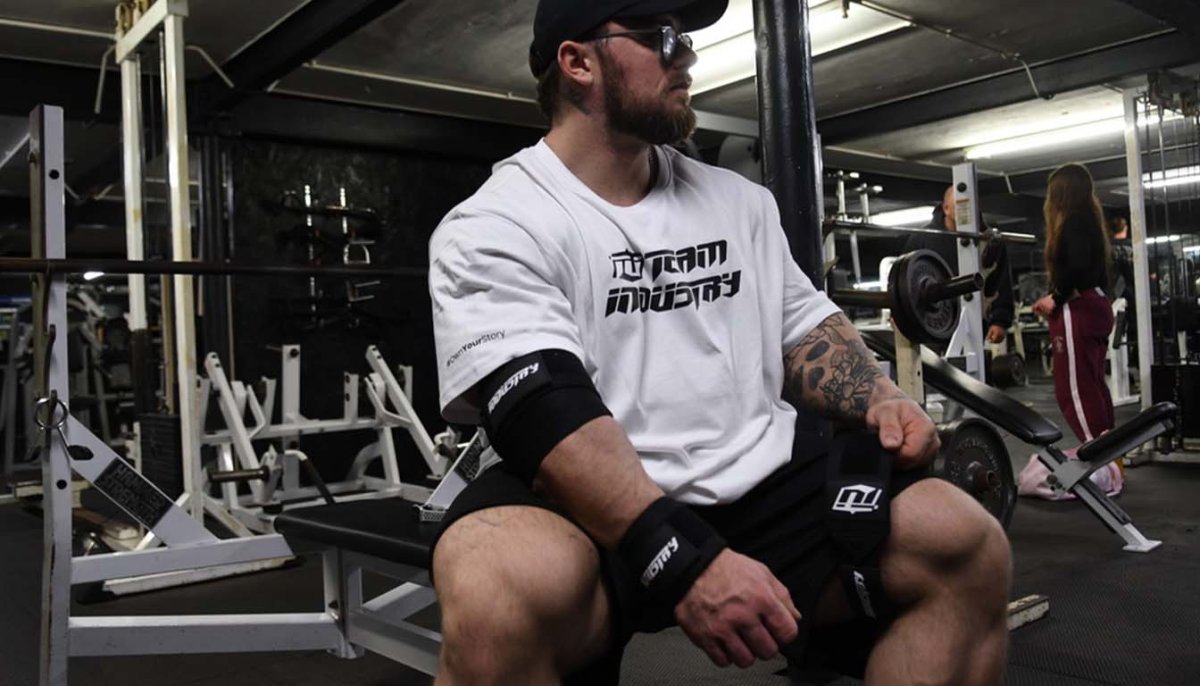
Progress comes from making deliberate choices and reviewing how your programme responds, not from adding more work for its own sake. Team Industry is inspired by strongman, bodybuilding and powerlifting, and supports federations and events that promote strength sports. That connection reflects a commitment to the strength-sport community.
When you’re ready to consider equipment that suits your training, explore strength training gear. Start with your priorities, make one considered change and build from there. A focused plan gives you room to train with purpose and keep moving towards your goals.
Frequently Asked Questions
Can strongman training help powerlifters get stronger?
It can support general strength qualities, but it won’t automatically increase your powerlifting total. Strongman training for powerlifters may provide useful practice for grip, bracing or loaded movement, depending on the event and your needs. Keep squat, bench press and deadlift practice central, then assess whether the additional work helps your programme or makes recovery and lift quality harder to maintain.
Which strongman events are best for powerlifters?
The best choice depends on what you want to train and what equipment you can use. Carries challenge grip and bracing while moving; loading variations practise lifting and placing an object; implement pulls offer a different pulling and grip demand. Choose one event that matches a specific goal. These movements need their own technique, so start with a manageable variation and practise it progressively.
How often should powerlifters do strongman training?
There isn’t one frequency that suits every powerlifter. Consider your current programme, training phase, recovery and response to added work before deciding where event practice fits. Start with a limited amount of one event rather than adding several sessions or movements at once. Track lift quality, fatigue and soreness in your usual notes, then adjust the plan if your main training suffers.
Will strongman training interfere with powerlifting competition preparation?
It can, particularly if demanding or unfamiliar event work leaves you fatigued for priority sessions. As competition approaches, keep practice on the competition squat, bench press and deadlift at the forefront of your plan. Place event work where it’s less likely to disrupt key lifting, reduce its demands if recovery slips, and consider removing it if it compromises your preparation.
Do powerlifters need special equipment for strongman training?
No, you can begin with familiar movement patterns and suitable equipment already available, rather than buying specialist implements straight away. However, specific events require their own equipment and technique, so equipment-free alternatives won’t fully reproduce event practice. Choose gear only after you’ve selected an event and identified a practical need. Learn unfamiliar movements gradually and seek qualified in-person guidance if needed.
Share:
Do Knee Sleeves Prevent Injury? The Science of Joint Support for Lifters
Strength Training Accessories: How to Choose the Right Gear