

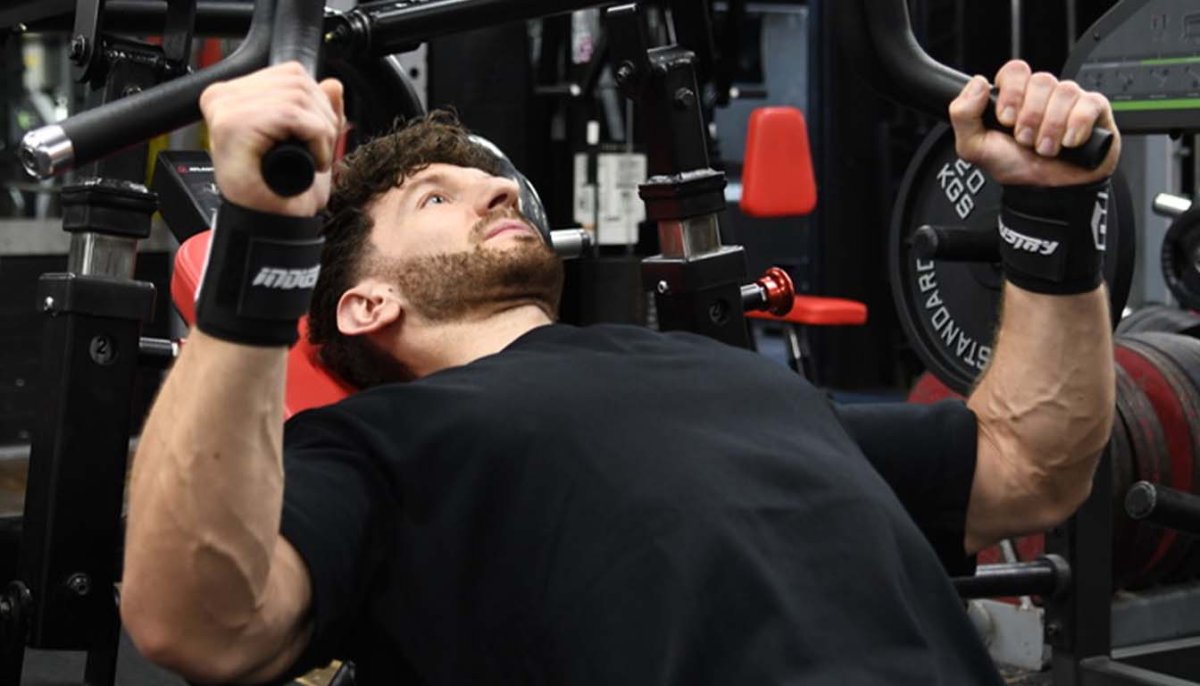
Did you know that adding just one isolation exercise to your heavy presses can increase your chest thickness gains by up to 18%? Most lifters eventually hit a wall where their bench press stalls and nagging shoulder discomfort starts to overshadow their progress. It's frustrating to put in the work without seeing the density or power you expect. You're likely looking for the best gym routine to build a strong chest that doesn't just chase numbers but builds a functional, resilient physique. We understand the grit required to push through these plateaus and the importance of a reliable, pragmatic strategy.
In this guide, you'll master a professional-grade chest routine that balances heavy compound strength with high-volume hypertrophy. We'll show you how to use specialised gear to support your joints during heavy sets, ensuring your longevity in the gym. By the end of this article, you'll have a clear, actionable programme backed by 2025 research to help you increase pressing power and finally achieve the chest density you've been working toward.
Key Takeaways
- Combine heavy compound lifts with high-volume isolation work to improve pectoral recruitment while maintaining joint stability.
- Follow a logical order of operations, from heavy flat presses to incline movements, to execute the best gym routine to build a strong chest.
- Use professional-grade tools like Team Industry Wrist Wraps to improve force transfer and protect your joints during high-intensity pressing sessions.
- Manage your recovery with 48 to 72 hour rest windows and scheduled deload weeks to ensure your training programme delivers consistent results.
The Foundation of Chest Strength: Why Bench Pressing Isn’t Enough
Building a powerful chest requires more than just pushing weight from point A to point B. True chest strength is a calculated combination of maximum pectoral recruitment and joint stability. Many lifters stall because they view the chest in isolation, ignoring the kinetic chain that involves the triceps and anterior deltoids. If these secondary movers or your stabilising joints fail, your progress stops. To develop the best gym routine to build a strong chest, you should adopt a "Powerbuilding" philosophy. This pragmatic approach starts with heavy, low-rep sets to build raw power, followed by high-volume hypertrophy work to drive muscle density.
The Role of Compound Movements
The Bench Press remains the king of chest developers because it allows for the heaviest possible loading. This heavy resistance is essential for central nervous system (CNS) adaptation, teaching your body to recruit more muscle fibres effectively. However, heavy sets demand stability. Using professional Wrist Wraps provides the necessary support to keep your joints aligned, allowing you to focus entirely on the lift. Avoid the common mistake of over-training with machines; master the barbell first to build a solid foundation of functional strength.
Understanding Pectoral Anatomy
A complete chest requires targeting both the clavicular (upper) and sternocostal (lower) heads. Recruitment patterns change based on your pressing angle. For instance, research from 2025 indicates that a 30-degree incline produces 18% higher activation of the upper chest than a 45-degree incline. By varying your angles, you ensure balanced growth. The best gym routine to build a strong chest must include these specific adjustments to avoid a bottom-heavy appearance and to ensure every fibre is stimulated for maximum growth.
The Best Gym Routine for Chest: A Step-by-Step Programme
Success in the weight room isn't about doing every exercise available. It's about following a structured order of operations that prioritises heavy loading when your energy is highest. To execute the best gym routine to build a strong chest, you must transition logically from compound strength movements to targeted hypertrophy finishers. This sequence ensures you build raw power while maximising muscle volume. Always track your lifts in a log-book to ensure progressive overload each week; if you aren't beating last week's numbers, you aren't growing.
The Routine Structure
Your session begins with the Barbell Flat Bench Press. Perform 5 sets of 5 reps to build a solid strength foundation and tax the central nervous system. For a deeper look at technical mastery, consult The Ultimate Bench Press Guide. Next, move to Incline Dumbbell Presses for 3 sets of 8-10 reps. This targets the clavicular head, providing that sought-after upper chest density. Finish the heavy portion of the programme with Weighted Dips for 3 sets to failure. Wearing an Industry Oversized Tee during these movements provides the unrestricted range of motion needed for a deep, productive stretch.
Finishing with Hypertrophy
Once the heavy work is done, shift your focus to metabolic stress. Perform 3 sets of 12-15 reps of Cable Flyes or Pec Deck. These exercises provide a maximum stretch and pump, which Harvard Health notes is vital for both strength and functional health. Finally, complete 2 sets of Push-ups to absolute failure. This final burn drives blood into the muscle tissue and ensures you've exhausted every remaining fibre. This calculated combination of low-rep strength and high-rep finishers is the most efficient way to see lasting results.
Maximising Pressing Output: The Essential Role of Stability Gear
Stability is often the missing link in serious chest development. While some believe gear is only for elite athletes, intermediate lifters benefit significantly from specialised joint support. Using professional equipment is a pragmatic step to execute the best gym routine to build a strong chest safely. Proper gear allows you to focus on the muscle contraction rather than worrying about joint fatigue or instability during your heaviest sets.
Wrist Wraps and Bench Press Performance
Wrist stability directly correlates to how much force you transfer into the bar. If your wrists "leak" energy by bending back, you lose pressing power and risk chronic strain. Team Industry Wrist Wraps create a rigid pillar between your hand and forearm, ensuring every ounce of effort goes into the lift. Specifically, wrist wraps prevent the bar from rolling back into the palm, which keeps the load stacked directly over the radius and ulna. Some athletes prefer "casting" the wrist with stiff wraps for maximum rigidity during a 1RM attempt, while others use flexible options for higher reps. Our Industry Blackout Wrist Wraps offer a calculated balance of support and comfort for both training styles.
Lifting Belts for Bench Press
A belt isn't just for squats or deadlifts. During heavy benching, a 10mm Lever Belt helps you maintain a rigid torso by increasing intra-abdominal pressure. This stability supports your arch and prevents energy dissipation through the midsection. Unlike a thin bodybuilding belt, a powerlifting lever belt provides a uniform width that gives you a solid wall to press your abs against. This ensures your foundation is as strong as your pectorals when you're following the best gym routine to build a strong chest. Upgrade your setup with professional-grade Industry strength gear to push your limits with confidence.
Progression and Recovery: Ensuring Long-Term Chest Growth
Recovery is where actual growth happens. For large muscle groups like the pectorals, a 48 to 72 hour recovery window is essential for tissue repair and hormonal balance. Training too frequently leads to systemic fatigue and diminishing returns. Incorporating scheduled "Deload Weeks" every 6 to 8 weeks prevents CNS burnout and allows your connective tissues to catch up with your muscle strength. This period of reduced intensity is a calculated part of the best gym routine to build a strong chest, ensuring you remain operational for the long term.
Signs of Overtraining
Watch for early indicators of overtraining, such as elbow tendonitis or nagging shoulder impingement. These issues often arise during high-volume phases where the repetitive load exceeds the joint's capacity. Using professional Joint Support can mitigate some of this stress, but listening to your body remains the most reliable strategy. Don't push through sharp pain; pivot your training programme to allow for adequate healing before returning to heavy sets. Consistency is built on staying injury-free, not on reckless persistence.
The Role of Apparel in Performance
Your choice of clothing impacts both your psychological intent and physical range of motion. Wearing Professional Gym Apparel like the Industry Oversized Tee helps with temperature regulation and allows for unrestricted movement. This is vital during deep flyes or weighted dips where a tight garment might restrict your stretch and limit fibre recruitment. Looking the part builds quiet confidence, keeping you focused on your performance goals. Following the best gym routine to build a strong chest requires discipline both in and out of the gym. Join the Team Industry community for more expert strength advice and to connect with other dedicated lifters across the UK.
Take Command of Your Chest Development
Building a powerful physique requires balancing raw strength with technical support and calculated recovery. You've learned that heavy compound movements are the foundation; however, they must be paired with isolation work and joint stability to avoid plateaus. Implementing the best gym routine to build a strong chest is as much about the gear you use as the reps you perform. Professional equipment is a pragmatic investment in your longevity and performance.
Our gear is tested by competitive UK powerlifters to ensure it handles the rigours of heavy training. From heavy-duty 10mm and 13mm lever belts to high-performance oversized tees, we provide the tools you need to stay stable and operational. Shop the full range of professional strength gear at Team Industry UK and start training with purpose. Stay consistent, track your progress, and trust the process. You've got the plan; now it's time to do the work.
Frequently Asked Questions
How many times a week should I train my chest for maximum strength?
You should aim to train your chest twice a week for optimal results. Research indicates that 10 to 20 hard sets per muscle group per week is the ideal range for trained lifters. Splitting this volume across two sessions allows for the necessary 48 to 72 hour recovery window. This frequency ensures you maintain the intensity required for the best gym routine to build a strong chest without overtaxing your nervous system.
Is the barbell bench press better than dumbbells for chest size?
Neither is strictly better; they serve different purposes in a professional programme. Barbell presses allow for maximum mechanical tension and heavy loading, which is essential for building raw power. Dumbbells provide a greater range of motion and a deeper stretch at the bottom of the movement. For a complete physique, start with heavy barbell work and follow up with dumbbells to target specific hypertrophy and fix muscular imbalances.
Do I really need wrist wraps for bench pressing?
While not mandatory for warm-ups, Wrist Wraps are essential for maintaining stability during heavy working sets. They prevent the bar from rolling back into your palm, which keeps the load stacked directly over your forearms. This alignment improves force transfer and protects your joints from chronic strain. Using professional gear is a pragmatic way to increase your pressing output while ensuring your long-term health in the gym.
What is the best rep range for building a thick chest?
A combination of low and moderate rep ranges is most effective for building muscle density. Use 3 to 5 reps for your primary compound lifts to build strength and 8 to 12 reps for your secondary movements to drive hypertrophy. This dual approach is a core component of the best gym routine to build a strong chest. It ensures you stimulate both the fast-twitch muscle fibres and the metabolic stress needed for thickness.
How can I increase my bench press if I have hit a plateau?
To break a plateau, focus on increasing your stability and tracking your progress meticulously. Ensure you are using a log-book to monitor every set and rep. If your foundation feels weak, a 10mm Lever Belt can help increase intra-abdominal pressure and provide a more rigid arch. Sometimes, a scheduled deload week is necessary to allow your central nervous system to recover before you attempt to hit new personal bests.
Share:
Weight Lifting Knee Wraps: The Athlete’s Guide to Support and Performance
The Best Gym Routine to Build a Big Back: Complete Guide