

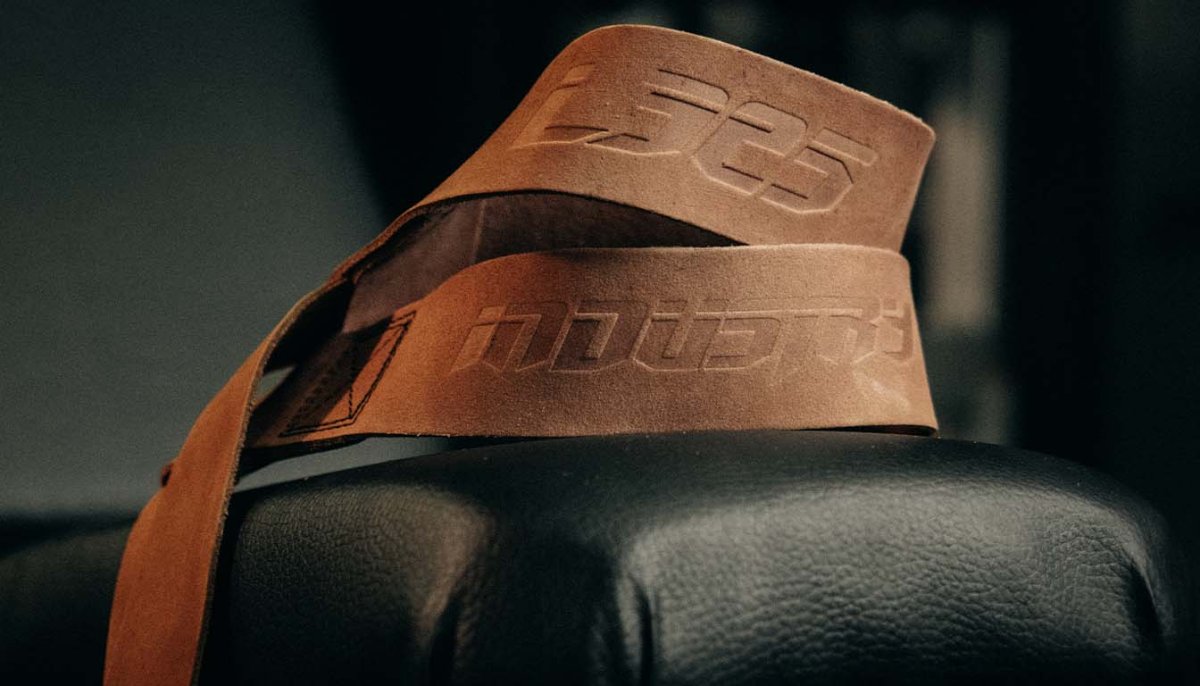
The heaviest lift doesn’t automatically call for the most secure strap. The right choice depends on the lift, how quickly you need to release the bar, and whether grip is meant to be part of the challenge. Weight lifting straps can help when your hands give out before the rest of the working set is complete, but they are optional training equipment, not a fix for every sticking point.
If you’re unsure how lasso, Figure 8 and Olympic-style straps differ, you’re not alone. It’s also reasonable to wonder whether using straps will hold back your grip development. They reduce the demand on your hands during strapped sets, so it makes sense to keep suitable unstrapped work in your programme if grip is one of your goals.
This guide compares common strap styles by how they attach to your hand and the bar, and what to consider when choosing between them. You’ll learn how to tell whether grip is limiting a set, what to check in a product listing, and how to test a strap setup during the exercises you actually train. By the end, you’ll have a practical way to narrow down suitable options.
Key Takeaways
- Compare strap designs by how they attach to your hand and the bar, not by a universal ranking.
- Use your main lifts and preferred setup to narrow down which weight lifting straps are worth considering.
- Check comfort and ease of setup during the exercises you actually train before settling on a style.
- Once you know what you need, compare the options in Team Industry’s lifting strap range.
What Weight Lifting Straps Do, and When They Help Your Training
Weight lifting straps connect your hand to a bar or other training implement, helping you hold on during a lift. They’re a training aid, not a requirement. For a basic reference, Lifting wrist straps are listed among exercise equipment accessories.
Straps are most commonly considered for pulling movements such as deadlifts, rows and pulldowns. Pay attention to what ends your set. If your fingers start to open while the muscles you’re targeting could continue, grip may be limiting the planned work. If your back is fatigued, your hamstrings have reached their limit, or your technique is breaking down, straps won’t address the reason you need to stop.
When can lifting straps be useful?
Use straps when they serve a clear purpose, rather than putting them on automatically. For example, if grip repeatedly ends a working set of rows before you’ve completed the intended work, straps may reduce the grip demand and let you focus on the pulling movement. If grip is not the limiting factor, there may be little reason to use them for that set. The decision can vary between exercises and even between sets in the same session.
Do lifting straps weaken your grip?
Straps reduce the demand on your grip during strapped sets, so those sets provide less practice holding the implement unaided. That doesn’t mean using straps inevitably weakens your grip. Keep suitable work unstrapped when grip development matters to your goals, and use straps selectively for sets where grip would otherwise cut the work short. This lets you decide which part of a session is for practising your grip and which is for completing other pulling work.
If gripping causes pain or you have persistent difficulty holding weights, don’t treat straps as a solution to the underlying problem. Pause or adjust the activity as needed, and seek advice from a qualified health professional.
Once you’ve identified when straps would help, you can compare options in Team Industry’s lifting strap range.
Weight Lifting Strap Styles: Match the Design to Your Main Lifts
Strap styles differ in how they connect your wrist and the bar. Lasso straps pass around the wrist and wrap around the bar, while Figure 8 straps form two loops around the wrist and bar. Olympic-style straps use a shorter closed loop. The designs can feel different to put on, position and release, so consider how each one works with your exercise and preferred setup rather than assuming one style is right for everyone.
When comparing styles, think about the movements you train and how much time you want to spend setting up between repetitions. Consider whether you prefer to wrap the strap around the bar yourself or use a looped design. For more background on selecting and using straps, see this lifting straps guide. The Art of Manliness also explains how to use lifting straps in practice.
Are Figure 8 straps right for your pulling work?
Figure 8 straps are one style to consider for pulling movements. Their looped setup may suit some lifts and lifters better than others, so think about the exercises you plan to use them for and whether you find the fit comfortable. Check the current details on Team Industry’s Figure 8 lifting straps product page, then read this Figure 8 strap comparison for a closer look at style differences.
When should you consider another strap style?
If you prefer to wrap a strap around the bar yourself, compare that fastening method with the way you set up for your exercises. Team Industry’s classic lifting straps are another named option to assess. Review the lifting straps collection for current options, and check each product’s details before choosing.
Try to assess the setup against the lifts you train, rather than choosing a style because it is labelled the most secure or versatile. Notice whether you can position it comfortably and whether it suits the way you need to grip and release the implement.
How to Choose Weight Lifting Straps: A Practical Checklist
Start with the movements where grip tends to end a set before you’ve completed the work you intended. Then compare how each strap attaches and whether you can set it up comfortably for that exercise. A style that feels straightforward during a deadlift may not suit how you position your hands for rows or another pull. If you are unsure, use your usual exercise setup as the test, rather than choosing based on the strap’s name alone.
What should you check before buying lifting straps?
Read the product listing rather than relying on the style name alone. Confirm the strap type and any stated material, sizing, care guidance or other specifications. Check that its fastening method suits the bar or implement you use, and don’t assume it includes a feature unless the seller lists it. If a detail you need is not provided, check with the seller before deciding.
Before buying, match the strap style to your lift, check the setup and comfort, and confirm the listed material, sizing and care details.
How should you use straps without neglecting grip practice?
Use straps selectively on working sets where grip is the limiting factor, rather than defaulting to them for every pull. If suitable for your programme, keep warm-up sets or other grip-focused work unstrapped so you still practise holding the implement. Stop if the strap setup causes discomfort, then check its fit and your technique before using it again. If the discomfort continues, don’t keep using the setup as it is.
Use this checklist to narrow down your needs, then compare Team Industry lifting straps and review the details listed for each option.
Find Weight Lifting Straps That Fit Your Training
Make the choice in order: identify the lift, decide whether grip is limiting the work, compare how each strap style fits your setup, then check the product details. This keeps the decision tied to your training rather than to a feature you may not need. Check the current listing for stated materials, sizing and care guidance, and don’t assume a specification that isn’t provided.
Which Team Industry strap should you assess first?
If Figure 8 straps suit your intended lifts and preferred setup, review Team Industry Figure 8 lifting straps. You can also compare classic lifting straps as another option. For a material-specific category, see the leather weight lifting straps listing. Check each page for current product information before deciding.
What is the next step after choosing a style?
Before using your chosen straps, confirm that the listed setup matches the bar or implement and exercises you have in mind. Introduce them gradually during appropriate training sets, starting with a manageable load so you can get used to fitting and using them. If the setup feels uncomfortable or interferes with your movement, stop and reassess the fit and technique.
Once you’ve identified the style that fits your training needs, browse the lifting straps collection and compare the current listings. Choose based on the lift, your preferred setup and the product details provided.
Choose Straps That Support Your Next Training Block
The right choice starts with your training, not the heaviest load you plan to lift. Identify where grip limits your intended work, compare how different strap styles fit your exercises, and check the listed product details before deciding. Use straps selectively, while keeping suitable unstrapped work in your programme to practise your grip.
Team Industry is connected to the UK strength-sports community and offers weight lifting straps, including leather weight lifting straps and Figure 8 Lifting Straps. Compare the available styles against your main lifts, preferred setup and training needs, and review current product information before choosing.
Make a considered choice, introduce your straps gradually during appropriate sets, and adjust if the setup doesn’t feel right. Browse Team Industry’s lifting strap collection to compare the current options and find a style to assess against your training.
Frequently Asked Questions
Can weight lifting straps help with deadlifts?
Yes, weight lifting straps can help when grip is the limiting factor in a deadlift set, allowing you to focus on the intended pulling work. They won’t correct your technique or replace all grip training. Choose a style that suits your setup, and keep appropriate deadlift sets or other grip-focused work unstrapped if developing your grip is also one of your goals.
Do lifting straps make your grip weaker?
Using straps reduces how much your hands need to hold the bar during those strapped sets, but weaker grip isn’t inevitable. Keep suitable unstrapped work in your programme if grip strength matters to you. Use straps selectively, rather than automatically for every pulling exercise. If grip concerns persist, review your training approach and consider seeking qualified advice, particularly if you’re experiencing pain.
What is the difference between Figure 8 and classic lifting straps?
The main difference to assess is how each style attaches and feels during your lifts. Product construction and details can vary, so check the specific listing rather than assuming every pair is identical. Consider which exercises you do, how you prefer to set up, and whether the strap feels comfortable in use. A dedicated style comparison can help you decide which design to investigate further.
Should beginners use weight lifting straps?
Beginners can consider straps if grip limits a suitable pulling set, but controlled technique should remain the priority. First identify why the set is ending: grip fatigue calls for a different decision than back fatigue or a loss of position. Straps are optional training equipment, not a requirement for every lifter or exercise. Use them only when they serve a clear purpose.
How do I choose the right weight lifting straps?
Start with the lifts where you want assistance, then compare strap styles by setup and comfort during those exercises. Check the seller’s product details for stated materials, care guidance and other specifications. Don’t rely on features or performance claims that aren’t listed. Introduce the straps selectively during controlled training, then reassess whether the style suits your movements and training needs.
Share:
cotton weight lifting straps
Justifying the Cost of Quality Lifting Equipment