


A powerful back defines a physique, yet many dedicated lifters struggle to bridge the gap between effort and actual hypertrophy because their grip strength fails before their lats reach true exhaustion. Finding the best gym routine to build a big back requires more than just heavy lifting; it demands a calculated approach to volume and exercise selection. It's frustrating when your forearms give out while your back still has reps in the tank, preventing you from achieving that dense, wide V-taper you're after.
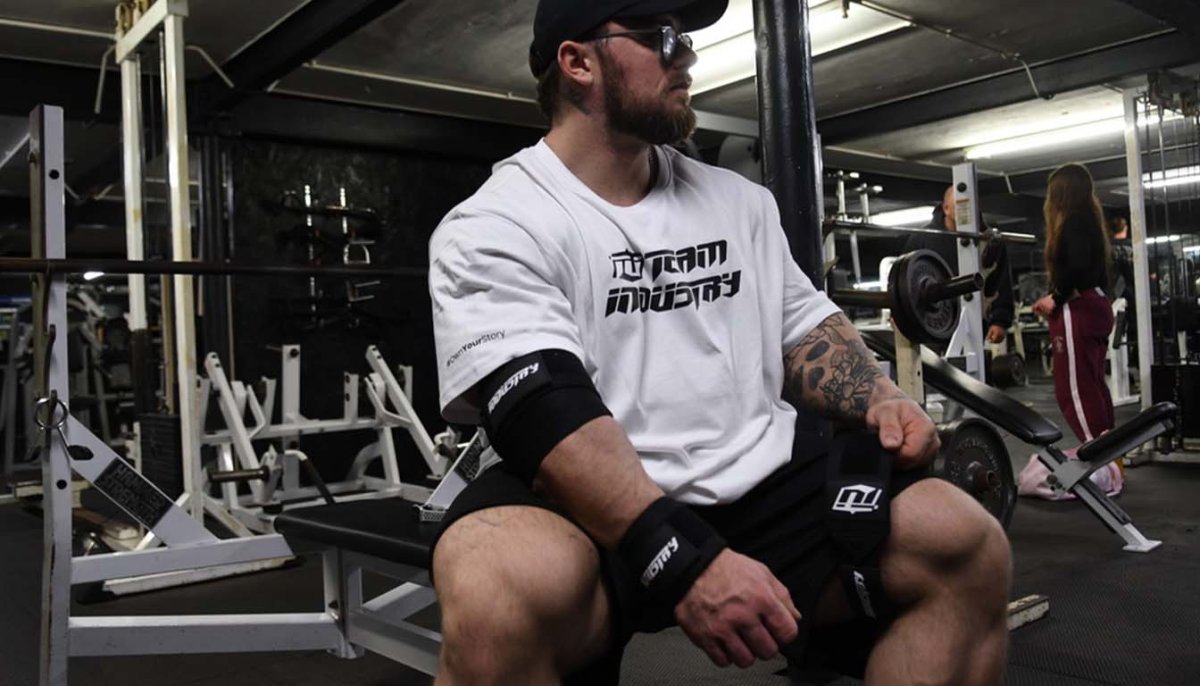
This guide provides the professional-grade techniques and training principles needed to develop a thick, powerful back. We've aligned these protocols with the 2026 ACSM guidelines, which recommend a total weekly volume of 10 or more sets per muscle group for growth. You'll learn how to structure your sessions for efficiency, including why professional gear like Team Industry Figure 8 Lifting Straps and an Industry Oversized Tee are pragmatic choices for heavy pulling. We'll break down the specific movements required to build a resilient physique that stands up to the rigours of the gym.
Key Takeaways
- Identify the specific anatomical drivers for back width and thickness to ensure your training correctly targets the lats and rhomboids.
- Implement the best gym routine to build a big back by balancing high-intensity compound movements with strategic isolation exercises.
- Solve the issue of grip fatigue by integrating professional Figure 8 Lifting Straps into your heaviest pulling sets.
- Master the 2026 hypertrophy standards to maintain the necessary weekly volume for developing a dense and powerful posterior chain.
Understanding Back Anatomy: Width vs. Thickness
Building a massive posterior chain requires a technical understanding of Human Back Anatomy. The back isn't a single muscle; it's a complex network of tissues that requires specific angles to fully develop. To design the best gym routine to build a big back, you've got to distinguish between width and thickness. Width creates that classic V-taper silhouette, while thickness provides the dense, 3D look that characterises a high-level physique.
Developing a strong mind-muscle connection is vital because you can't see these muscles working in the mirror. You must learn to feel the contraction rather than just moving the weight. Focus on pulling with your elbows rather than your hands to ensure the back muscles, not the biceps, are doing the heavy lifting. Balancing your routine between vertical and horizontal planes ensures no muscle group is left behind.
The Vertical Plane: Building Width
Width primarily comes from the Latissimus Dorsi, or lats. Vertical pulling movements like pull-ups and lat pulldowns are the primary tools for targeting these outer fibres. By varying your grip width, you can shift the emphasis between different areas of the muscle. A wider grip targets the upper and outer portions, while a closer, neutral grip often recruits more of the lower lat fibres near the waistline.
The Horizontal Plane: Building Thickness
Density is forged through horizontal rowing. This targets the rhomboids, middle trapezius, and erector spinae. These muscles pull the shoulder blades together, creating mid-back detail and overall mass. Heavy rowing is a staple in the best gym routine to build a big back, but it requires a stable foundation. Using a weight lifting belt helps maintain intra-abdominal pressure. This stability allows you to move heavier loads safely while keeping your spine neutral during intense sets.
The 5 Best Exercises for a Massive Back
Building a powerful posterior chain relies on choosing movements that offer the highest return on investment. While machines have their place, the best gym routine to build a big back focuses on these five foundational exercises:
- Deadlifts: These build raw strength and thickness from the floor to the traps.
- Bent-Over Barbell Rows: A staple for mid-back density and overall lat thickness.
- Weighted Pull-ups: The most effective vertical pull for developing a wide frame.
- Single-Arm Dumbbell Rows: Essential for achieving a deep stretch and fixing unilateral imbalances.
- Chest-Supported T-Bar Rows: This allows for heavy isolation without taxing the lower back.
Mastering the Heavy Pulls
Deadlifts are the cornerstone of any serious strength programme. When you set up, focus on 'pulling the slack out of the bar' to engage your lats before the weight leaves the floor. This technique creates total body tension and protects your vertebrae. For those chasing maximum poundage, using Industry Figure 8 Lifting Straps ensures your grip isn't the limiting factor. It's also wise to follow a structured Spine Conditioning Program to maintain the mobility required for these heavy loads.
Rowing for Density
Rowing movements are where you forge true back thickness. To maximise the effectiveness of the best gym routine to build a big back, you must control the eccentric phase of every rep. Keep your elbows tucked to your sides to prioritise the lats. If you want to target the rhomboids and rear delts, flare your elbows slightly. Avoid the temptation to use momentum; a stationary torso ensures the back muscles do the work. If you're looking for high-quality gear to support your training, explore the full range of Industry strength equipment.
Maximising Intensity: Overcoming the Grip Bottleneck
The back muscles are among the largest and most powerful in the human body. Their capacity to move heavy loads far exceeds the endurance of the smaller muscles in the hands and forearms. If your grip fails at the eighth repetition while your lats could have reached twelve, you're effectively cutting your progress short. The best gym routine to build a big back must address this physiological bottleneck to ensure the target muscles reach true fatigue and hypertrophy.
Using professional strength gear isn't a shortcut; it's a method of mechanical isolation. By securing the load directly to your wrists, you eliminate the forearm as a limiting factor. This focus allows you to maintain the mind-muscle connection discussed earlier in this guide. Additionally, a professional weightlifting belt provides the essential intra-abdominal pressure needed for heavy rowing. This stability protects your lumbar spine and allows you to pull with maximum force during high-intensity sets.
When to Use Lifting Straps
Introduce lifting straps during your heaviest working sets of deadlifts and barbell rows. This strategy enables you to handle the 80% or more of your one-rep max required for strength gains according to the 2026 ACSM guidelines. By removing the grip bottleneck, you can increase total training volume and stimulate greater muscle density. You can learn more about specific applications in our guide on Mastering Your Pull: The Ultimate Guide to Lifting Straps.
Enhancing Grip with Liquid Chalk
For warm-up sets or when you want to maintain raw hand-to-bar contact, liquid chalk is the professional choice. It offers a mess-free, superior friction-based hold that keeps your hands dry and secure. Simply apply a small amount and let it dry for a few seconds before starting your set. To ensure your equipment matches your training intensity, buy professional-grade lifting straps to support your journey to a bigger back.
The Complete Back Routine Programme
To achieve professional results, you must follow a structured programme that prioritises heavy compound movements before finishing with high-volume isolation. This sequence ensures you expend your peak energy on the lifts that provide the greatest stimulus. Implementing the best gym routine to build a big back requires a calculated balance of vertical and horizontal pulling to address both width and density across the entire posterior chain.
- Exercise 1: Deadlifts (3 Sets of 5 Reps). Focus on raw power and CNS activation.
- Exercise 2: Weighted Pull-ups (3 Sets of 8-10 Reps). Vertical pulling for width.
- Exercise 3: Barbell Rows (4 Sets of 8-12 Reps). Horizontal pulling for thickness.
- Exercise 4: Seated Cable Rows (3 Sets of 12-15 Reps). Controlled squeeze and peak contraction.
- Exercise 5: Lat Pulldowns (3 Sets of 12-15 Reps). High-volume finisher to pump the lats.
Training Frequency and Recovery
Train your back 1-2 times per week depending on your recovery capacity and split. This frequency allows you to reach the 10 or more weekly sets recommended by the 2026 ACSM guidelines for hypertrophy. Recovery is just as important as the training stimulus. Ensure you're wearing non-restrictive apparel like an Industry Oversized Tee. This garment allows for a full stretch at the bottom of rowing and pulling movements, which is essential for maximum muscle fibre recruitment.
Progressive Overload: The Key to Growth
Progressive overload is the engine of growth. Aim to increase the weight, repetitions, or total sets every 2-3 weeks. Without a consistent challenge, the muscle has no reason to adapt. You've got to track every lift in a logbook to ensure you're moving forward. The best gym routine to build a big back is only effective if you stay committed to incremental improvements over time. Stay focused on the grit of the work and the results will follow.
Commit to Your Back Development
Building a massive back requires more than just showing up. It demands a technical understanding of anatomy and the discipline to follow a structured programme. By balancing vertical and horizontal planes, you ensure no muscle group is left behind. Most importantly, don't let a weak grip limit your potential. Implementing the best gym routine to build a big back is about removing every obstacle between you and your goals, whether that's through better exercise selection or professional-grade equipment.
Team Industry provides the tools you need to succeed. Our professional-grade knee sleeves and belts are designed for the rigours of heavy lifting. We also offer durable oversized gym wear that ensures you have a maximum range of motion for every pull. As a brand trusted by the UK strength community, we're here to support your journey from a standard physique to a powerful, V-tapered frame. Shop Team Industry Professional Strength Gear today and start building the back you've worked for. Stay consistent and train hard; the results will follow.
Frequently Asked Questions
Should I do deadlifts on back day or leg day?
You can perform deadlifts on either day depending on your specific training split. If you follow a pull or back-focused session, deadlifts serve as the ultimate foundation for thickness. On leg days, they target the hamstrings and glutes within the posterior chain. To avoid overtraining, ensure you have at least 48 hours of recovery between heavy deadlift sessions and other lower back intensive movements.
Are lifting straps necessary for building a big back?
Lifting straps are not strictly mandatory, but they are essential tools for overcoming the grip bottleneck. Since your back is naturally stronger than your hands, your grip often fails before your lats are fully fatigued. Using Figure 8 Lifting Straps allows you to maintain intensity on heavy rows. This ensures the target muscles reach the hypertrophy threshold required for a wide and dense frame.
How can I improve my mind-muscle connection with my lats?
Improve your connection by focusing on pulling with your elbows rather than your hands. Imagine your hands are merely hooks connecting you to the weight. Using a thumbless or suicide grip can also reduce bicep involvement, forcing the lats to initiate the movement. Slowing down the eccentric phase and pausing at the peak contraction helps you feel the muscle fibres working, which is a core component of the best gym routine to build a big back.
What is the difference between a wide grip and a close grip for back growth?
A wide grip primarily targets the upper and outer fibres of the latissimus dorsi, which contributes to increased back width. Conversely, a closer, neutral grip shifts the emphasis toward the lower lats and encourages a greater range of motion. To ensure complete development, incorporate both variations into your programme. This balanced approach is necessary to build a physique that looks impressive from every angle, combining width with mid-back density.
How often should I train my back to see the best results?
You should train your back one to two times per week to achieve optimal hypertrophy. This frequency allows you to meet the 2026 ACSM guidelines of 10 or more weekly sets without exceeding your recovery capacity. Consistency is the most important factor in the best gym routine to build a big back. Space your sessions out to allow for muscle repair, ensuring you can attack each workout with maximum intensity and strength.

Share:
Build a Stronger Chest: The Ultimate Gym Routine Guide
Best Gym Routine to Develop Your Legs: Expert Guide