

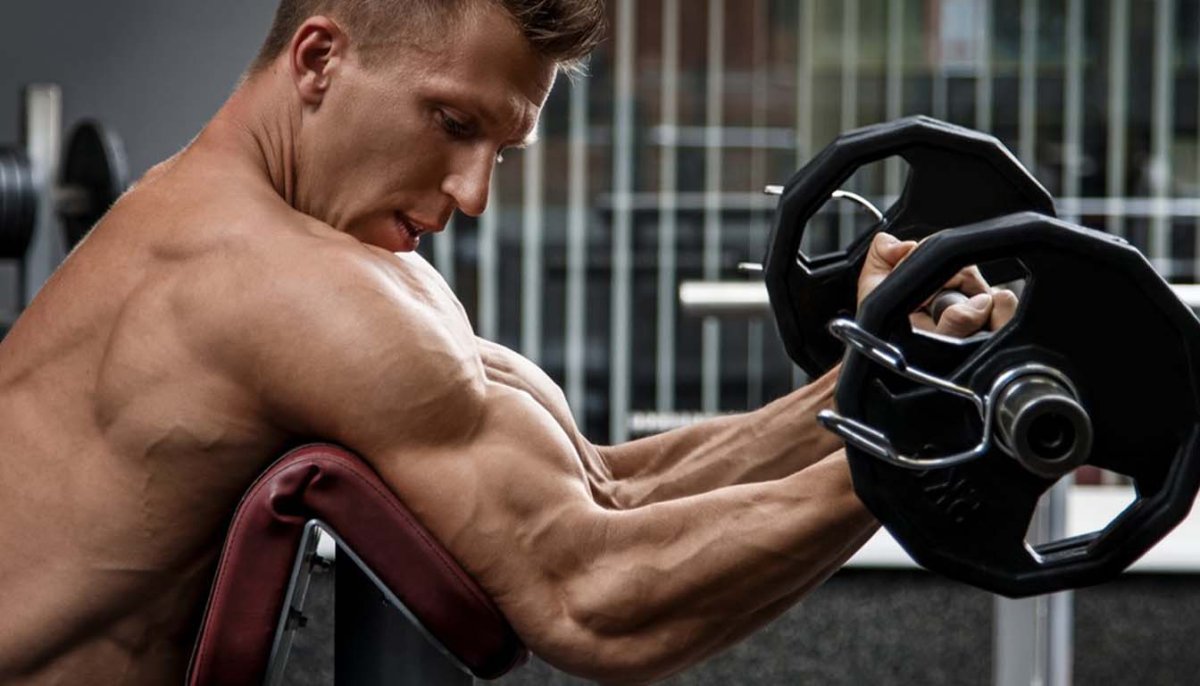
If your arm measurements haven't budged in months despite endless curls, the problem isn't your effort; it's your execution. Most lifters hit a wall because they treat biceps as an afterthought to chest day. You've likely felt the frustration of stagnant growth or the nagging elbow pain that surfaces during heavy tricep work. We understand that hitting a plateau is part of the lifting process, but staying there is optional. Finding the best gym routine to develop big arms requires a shift to a calculated, high-frequency approach that prioritizes technical precision.
This guide provides a professional training protocol designed to break through stubborn plateaus and build visible hypertrophy. You'll learn how to integrate professional gear to eliminate grip fatigue and protect your joints during high-intensity sessions. We'll break down the specific rep ranges, exercise selections, and recovery strategies needed for a sustainable program. By following this structured plan, you can improve joint stability and achieve the arm mass you're working for while maintaining your primary strength goals.
Key Takeaways
- Understand the anatomy of arm mass, focusing on the triceps and brachialis to build height and thickness beyond basic curls.
- Implement the best gym routine to develop big arms by integrating a high-frequency specialisation protocol that prioritises heavy compound movements.
- Utilise professional gear like Industry Classic Lifting Straps and Wrist Wraps to bypass grip fatigue and maintain technical precision.
- Facilitate muscle growth by pairing high-intensity training with a strategic caloric surplus and adequate systemic recovery.
The Anatomy of Arm Mass: Why Curls Aren’t Enough
To implement the best gym routine to develop big arms, you must look beyond basic bicep curls. Most lifters over-prioritize the front of the arm, yet the triceps brachii actually comprise approximately two-thirds of your upper arm's total mass. Achieving significant size requires a focus on Muscle hypertrophy, which is primarily triggered by mechanical tension and metabolic stress. We suggest adopting a "Freshness Priority" strategy. By training arms at the start of your workout, you ensure maximum motor unit recruitment while your energy levels are highest.
The Three Heads of the Triceps
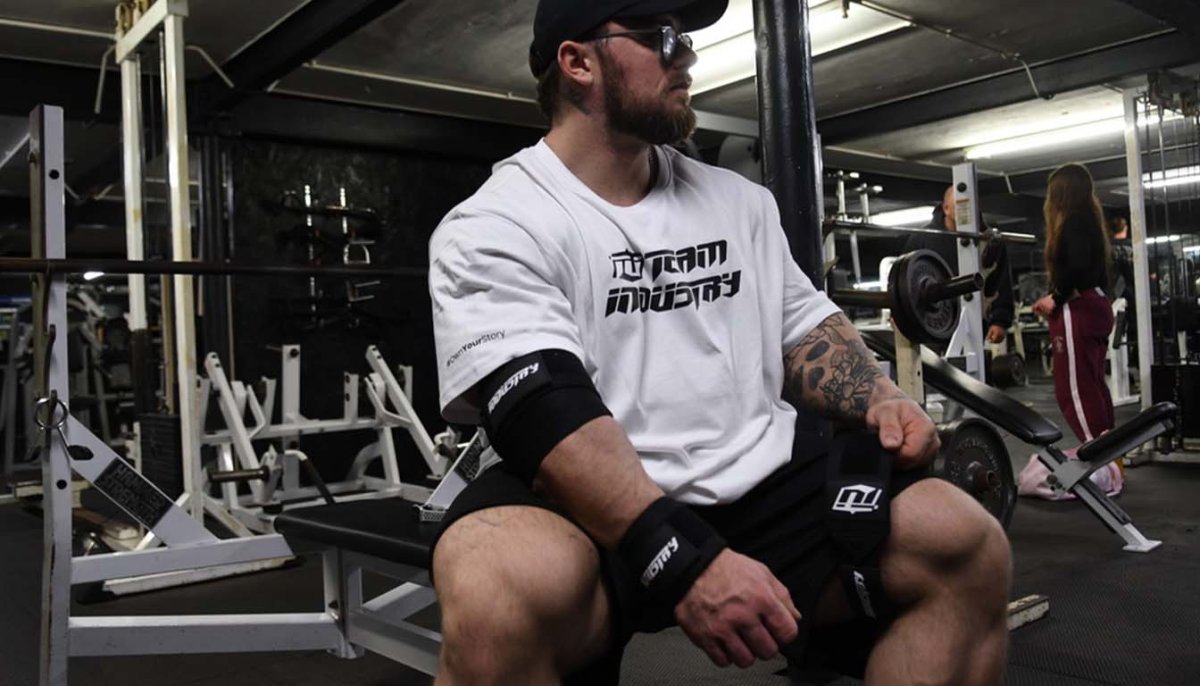
The triceps are composed of three distinct heads: the long, lateral, and medial heads. While the lateral head creates the iconic "horseshoe" shape, the long head is the largest component and offers the most potential for mass. Because the long head originates at the scapula, overhead extensions are non-negotiable for its development. Heavy extensions can be taxing on the joints; therefore, we recommend using Wrist Wraps to maintain a stable, neutral wrist position during your heaviest sets.
Bicep Peak vs. Thickness
Building impressive biceps involves targeting both the long head for "peak" and the short head for "width." However, the brachialis is the true secret to arm height. This muscle sits beneath the bicep; when it grows, it physically pushes the bicep upward. A complete look also requires forearm development, specifically the brachioradialis. If your grip gives out during heavy hammer curls, Industry Classic Lifting Straps allow you to maintain high mechanical tension on the arms without your hands becoming the limiting factor. This holistic approach is essential for anyone seeking the best gym routine to develop big arms.
The High-Frequency Arm Specialisation Routine
A successful arm specialisation program isn't about random high-rep sets; it's about structured frequency. To build the best gym routine to develop big arms, we recommend a 3-day-per-week "add-on" protocol. This routine fits seamlessly into your current PPL or Upper/Lower split. This approach ensures you hit the muscles often enough to trigger growth without compromising your main lifts. Following established Resistance training guidelines, we balance intensity with volume to maximize hypertrophy. Keep rest intervals between 60 to 90 seconds. This balance maintains cumulative fatigue while allowing enough recovery for high-quality output.
Day 1: Heavy Power & Compound Tension
Focus on foundational strength. Use the 5 to 8 rep range for heavy movements like the Close Grip Bench Press and Barbell Curls. These compound lifts create the mechanical tension necessary for thick muscle fibers. If your grip starts to fail during heavy barbell work, professional lifting straps will help you maintain focus on the target muscle. Prioritise heavy weighted dips to tax the triceps under load.
Day 2: Isolation & Targeted Hypertrophy
Shift the focus to the 10 to 15 rep range. Use Incline Dumbbell Curls and Cable Press-downs to isolate the biceps and triceps. Implementing the best gym routine to develop big arms requires a focus on the "squeeze" at the peak of the contraction. This improves your mind-muscle connection. This day is about controlled movement and muscle engagement rather than moving the heaviest weight possible. It's a pragmatic way to add volume without systemic burnout.
Day 3: Metabolic Stress & Finishers
The final session uses drop sets and myoreps to push muscles to absolute failure safely. Incorporate Hammer Curls and Overhead Rope Extensions. To maximise the pump without excessive joint strain, consider high-rep finishers. This metabolic stress is the final piece for total arm development. By the end of this session, your arms should feel completely fatigued but stable. This variety ensures all muscle fibers are recruited throughout the week.
Maximising Intensity with Professional Strength Gear
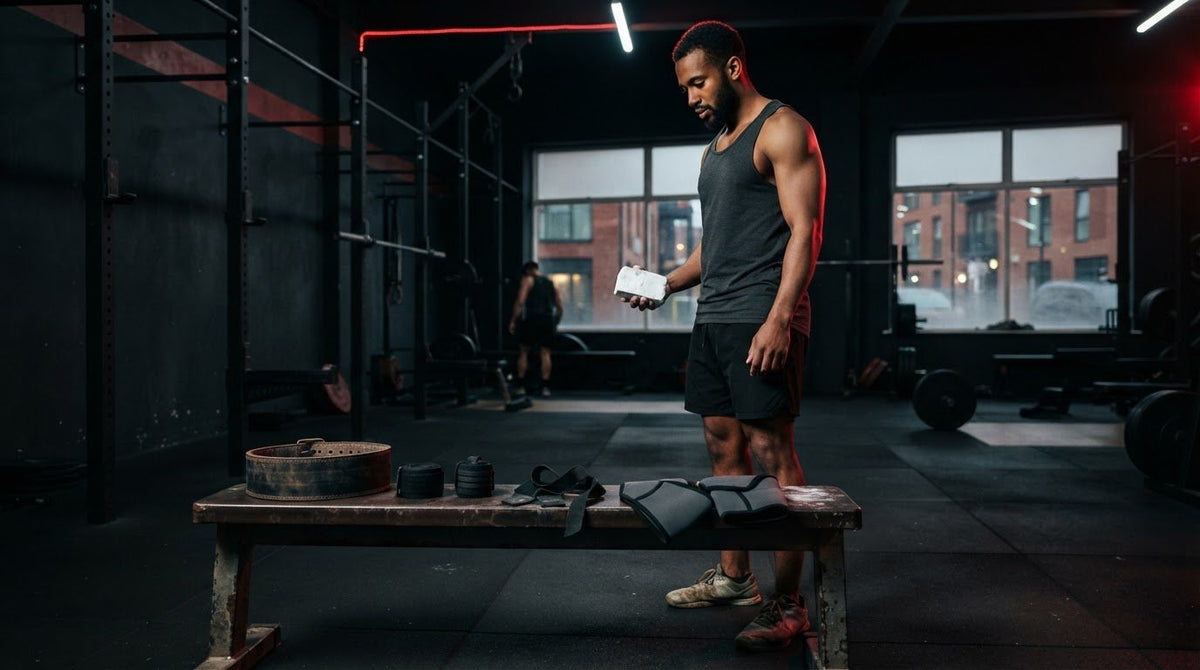
Executing the best gym routine to develop big arms requires more than just high effort; it demands the right equipment to maintain training intensity. Professional gear acts as a precision tool to bypass common physical limiters that stall growth. For instance, Industry Classic Lifting Straps allow you to focus entirely on the bicep during heavy curls. By securing the weight to your hand, you eliminate grip fatigue, ensuring the target muscle reaches failure before your hands do. This technical approach aligns with the Harvard Health guide to building biceps, which emphasizes proper execution for growth.
Stability is equally vital for tricep development. Using Wrist Wraps helps maintain a neutral wrist position during heavy extensions. This reduces unnecessary strain on the small joints of the hand and forearm, allowing you to push more weight safely. When intensity increases, Joint Support like elbow sleeves provides essential compression. These sleeves aren't a crutch for poor form but a method to keep connective tissues warm and stable during high-frequency blocks.
Removing the Grip Bottle-Neck
Your forearms often fail long before your biceps during heavy pulling movements. This grip bottleneck prevents you from reaching the mechanical tension required for hypertrophy. Utilizing Figure 8 Lifting Straps during heavy rows allows you to overload the biceps as secondary movers. This is a pragmatic addition to the best gym routine to develop big arms, ensuring your back and arms receive the full stimulus of the lift without your grip giving out early.
Protecting the Elbows During Extensions
High-frequency training can lead to "lifter’s elbow" if you don't manage joint stress. Compression sleeves provide heat retention, which is critical for connective tissue health. This warmth improves blood flow to the tendons, reducing the risk of inflammation during heavy tricep work. Protect your progress by browsing our full range of professional strength gear to push your limits safely.
Recovery, Nutrition, and The "Pump Cover" Mentality
Growth doesn't happen in the gym; it happens during the hours following your session. To sustain the best gym routine to develop big arms, you must prioritize a caloric surplus. Without sufficient fuel, your body cannot effectively repair the muscle tissue damaged during high-intensity training. Systemic recovery is equally vital. Aim for consistent, high-quality sleep to ensure your central nervous system can handle the increased frequency of a specialization block.
We also emphasize the "pump cover" mentality for both focus and physiology. Wearing an Industry Oversized Tee helps maintain muscle and joint temperature during rest intervals. This heat retention keeps connective tissues pliable, which is essential for preventing the stiffness often associated with high-volume isolation work. It allows you to stay dialed in on your technical execution without distractions.
The Role of Intra-Workout Nutrition
Maintaining muscle fullness requires more than just effort. Proper hydration and electrolyte balance are critical for sustaining the "pump" throughout a long session. Using a Team Industry Shaker Bottle to sip on intra-workout carbohydrates or electrolytes ensures you stay fueled. This prevents performance drops during the final metabolic finishers of your workout.
Transitioning Back to Strength Foundations
After a 4 to 6 week specialization block, it's pragmatic to transition back to a general strength program. You can maintain your new arm gains while refocusing on foundational movements like the Bench Press. Monitor your body for signs of overtraining, such as persistent dull aches in the elbows or wrists. If these symptoms occur, reduce isolation volume immediately to allow for joint deloading. This balanced approach ensures long-term progress without injury.
Step Into Your Next Growth Phase
Achieving significant arm hypertrophy requires a shift from basic isolation to a calculated, high-frequency approach. By prioritizing tricep mass and the brachialis, you'll set the foundation for a more complete physique. Implementing the best gym routine to develop big arms also means removing the physical bottlenecks that stall progress. Utilizing professional-grade gear allows you to maintain high mechanical tension without your grip or joints failing early. Consistent recovery and a strategic caloric surplus are just as vital as the work you put in under the bar.
Our equipment is inspired by professional Strongman and Powerlifting standards; it's crafted from heavy-duty materials designed for maximum durability. We invite you to shop the full range of Team Industry Strength Gear and Apparel to support your training goals. With free UK shipping on qualifying orders, you'll be equipped with the same reliability trusted by the strength community. Stay focused on your technical precision and the results will follow.
Frequently Asked Questions
How often should I train my arms for maximum growth?
You should train your arms 2 to 3 times per week for maximum growth. High frequency allows for more repeated bouts of protein synthesis while managing total volume per session. To sustain this, ensure you have at least 48 hours of recovery between targeted sessions. This frequency is a core component of the best gym routine to develop big arms, provided you prioritize systemic rest and adequate caloric intake.
Do I need to do direct forearm work to get big arms?
Direct forearm work isn't strictly mandatory if you perform heavy compound pulling movements. However, targeting the brachioradialis with hammer curls adds significant thickness to the upper arm. If grip fatigue limits your progress on these lifts, using Weight Lifting Straps allows you to focus on the arm muscles without your hands failing prematurely. This ensures the target muscles receive the necessary stimulus for growth.
Can I build big arms using only dumbbells at home?
You can build significant arm mass with dumbbells if you apply progressive overload and high intensity. Dumbbells offer a great range of motion for isolation exercises like incline curls and extensions. To maintain technical precision and wrist safety during heavy home sessions, consider using Wrist Wraps. While barbells allow for more absolute load, dumbbells provide the unilateral focus needed to correct muscle imbalances effectively.
Should I train biceps or triceps first in my workout?
We recommend training your weakest muscle group first when your energy levels are highest. If your triceps are lagging, start with heavy pressing movements before moving to bicep work. Alternating between the two in a superset fashion is also an efficient way to manage time and maximize blood flow. This "Freshness Priority" ensures you can put maximum effort into the best gym routine to develop big arms.
Why do my elbows hurt when I do tricep extensions?
Elbow pain during extensions often results from tendonitis or excessive shear stress on the joint. Ensure your form is controlled and avoid flaring your elbows excessively during heavy sets. Applying joint support provides compression and heat retention to protect the connective tissue. This support is vital for maintaining training intensity without causing long term joint damage or inflammation.
Share:
Best Gym Routine to Develop Your Legs: Expert Guide
Heavy Duty Knee Sleeves: The Lifter’s Guide to Maximum Joint Support