
Smelling salts are not a magic shortcut to a new personal record, but they are one of the most effective tools in a powerlifter's arsenal for instant neurological arousal. Learning how to use smelling salts for lifting correctly ensures you trigger that vital fight or flight response without risking nasal irritation or chemical burns. You likely understand the pressure of a maximum effort attempt where your physical strength is ready but your mental clarity feels just out of reach.
This guide provides the technical knowledge you need to master this tool and use it to break through training plateaus safely. We will outline a disciplined pre-lift ritual, explain why regulatory bodies like the IPF and WADA permit their use, and show you how to handle the bottle to avoid common injuries. Whether you are using a standard bottle or our high potency Team Industry Smelling Salts, consistency is the key to performance. You'll finish this article with a clear understanding of how to use ammonia as a tactical advantage for your next heavy set. This professional approach ensures you maintain safety standards while pushing your physical limits in the gym or on the platform.
Key Takeaways
- Understand how ammonia carbonate triggers the inhalation reflex to provide immediate neurological arousal before heavy attempts.
- Master how to use smelling salts for lifting by following the distance rule, keeping the source 10-15cm away from your nose to prevent irritation.
- Reserve the use of ammonia for maximal efforts above 90% of your one-rep max to avoid desensitization and maintain the product's effectiveness.
- Prioritize safety by avoiding direct contact with skin or eyes and never using salts to mask the symptoms of a physical injury.
- Develop a consistent pre-lift ritual using high-quality Team Industry Smelling Salts to sharpen your mental focus on the platform.
What Are Smelling Salts and How Do They Work for Lifters?
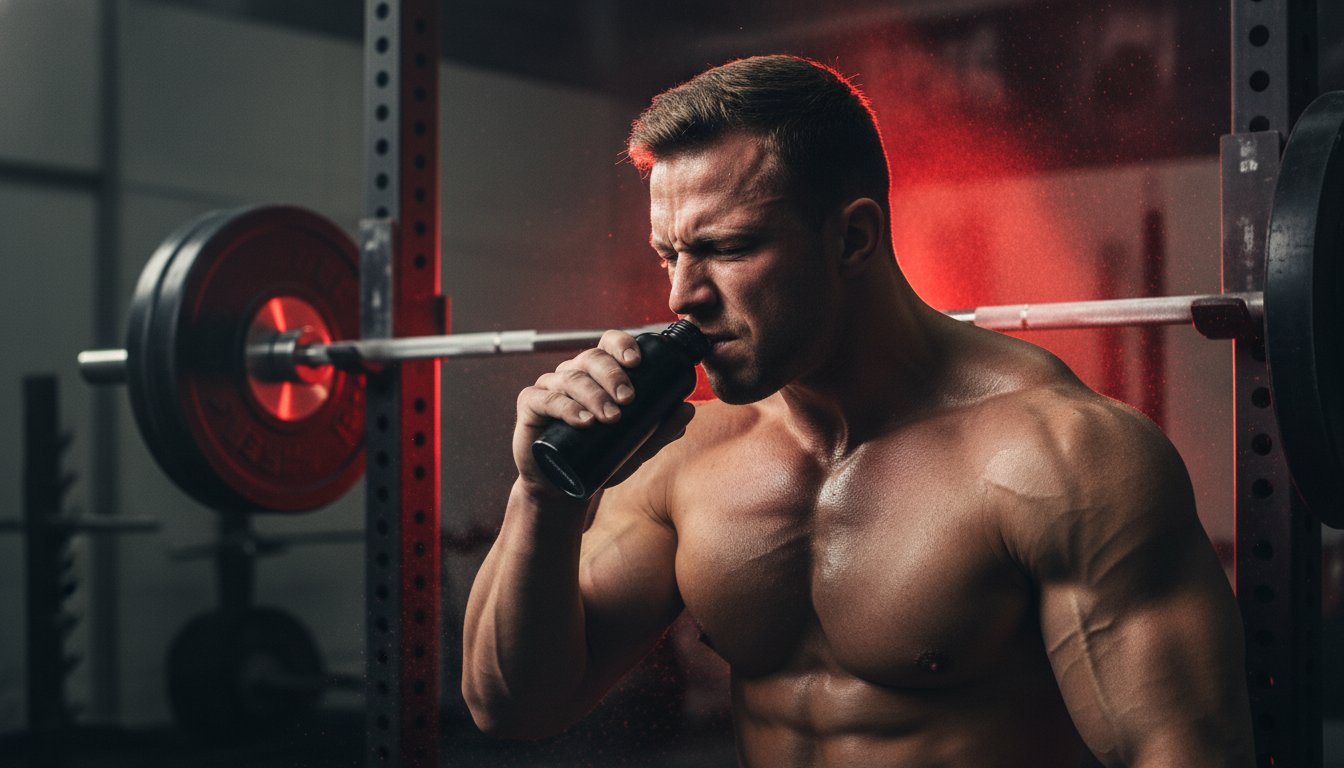
Smelling salts are chemical compounds, typically a mixture of ammonium carbonate and aromatic scents, designed to release ammonia gas. When you prepare the bottle for a heavy set, this gas acts as a potent irritant to the membranes of your nose and lungs. Understanding how to use smelling salts for lifting begins with recognizing that this isn't a nutritional supplement; it's a physiological trigger. The gas causes an involuntary "inhalation reflex," which forces you to breathe more rapidly and deeply, signaling your brain that it's time to perform immediately.
This irritation isn't harmful when managed with discipline, but it's enough to shock your system out of a state of mental fatigue. It's a tactical tool used to bridge the gap between your physical potential and your mental readiness. Many athletes include high-quality gear from the Team Industry strength collection in their ritual to ensure they're fully prepared for the intensity that follows the sniff.
To better understand the chemistry and preparation behind these products, watch this helpful video:
The Sympathetic Nervous System Trigger
The core benefit of ammonia is its ability to activate your sympathetic nervous system. This response triggers a sudden surge of adrenaline and an increased heart rate, shifting you into a "fight or flight" state. Realize that salts don't physically make your muscles stronger or repair tissue. Instead, they maximize neurological arousal. This heightened focus allows you to stay tight and aggressive under a heavy bar. The effect is acute and temporary, typically lasting between 30 and 60 seconds, which is just enough time for a single max-effort attempt on the platform.
Smelling Salts vs. Pre-Workout
Lifters often ask if they can replace their pre-workout with salts, but the two serve different functions. Pre-workout supplements use ingredients like caffeine to provide a systemic, long-lasting energy boost for your entire session. Smelling salts are used for immediate, localized arousal right before a lift. Professional strength athletes often use both: caffeine to maintain a baseline of energy and ammonia to "wake up" the brain for a 90% or higher one-rep max attempt. Using them together creates a comprehensive approach to readiness, especially when you are learning how to use smelling salts for lifting to peak for a competition.
How to Use Smelling Salts for Lifting: A Step-by-Step Ritual
To master how to use smelling salts for lifting, you should treat the process as a disciplined part of your setup rather than a chaotic burst of energy. Start by preparing the ammonia source. If you're using a bottle, give it a quick shake to ensure the gas is active; if you're using an ampule, crack it firmly between your fingers. Don't put the bottle directly against your nostrils. The professional standard is the 10-15cm rule. Hold the source about four to six inches away from your face to avoid chemical burns or overwhelming lung irritation.
Unlike the common advice found on some forums to sniff as hard as possible, you should take a short, sharp inhale. This targeted breath triggers the mechanism of smelling salts, which relies on the irritation of the trigeminal nerve rather than the volume of gas inhaled. Timing is the most overlooked factor in the ritual. You should execute your sniff 10-20 seconds before your lift attempt. This specific window allows the initial shock to settle into a focused, aggressive state before you approach the bar.
Bottle vs. Ampule: Handling Different Formats
Bottles are generally more sustainable for regular training sessions and offer better value over time. To maintain their potency, always reseal the lid immediately after your sniff. Leaving the bottle open even for a minute allows the ammonia gas to dissipate, which significantly shortens the product's lifespan. If you're looking for a dependable option for your kit, our Team Industry Smelling Salts are designed for consistent, high-standard performance.
Integrating the Sniff into Your Setup
Consistency is vital for peak performance. If you're using a weight lifting belt, ensure it's fully tightened and positioned before you reach for your salts. Trying to adjust your gear after the adrenaline surge can break your concentration and waste the acute effects of the ammonia. Once you've taken your sniff, take two seconds to clear your head and find your focal point. This brief pause ensures the arousal translates into a technical, powerful lift rather than uncontrolled movement.

Strategic Usage: When to Use Ammonia (and When to Wait)
Professional athletes view ammonia as a tactical reserve rather than a training staple. You should only consider how to use smelling salts for lifting when you are approaching 90% or more of your one-rep max (1RM) or during a third attempt in a sanctioned competition. If you rely on them for every warm-up set, you risk desensitization. This occurs when your brain stops responding to the acute stimulus, rendering the tool useless when you actually need it for a personal record attempt. High-standard training requires you to build mental toughness without external triggers for the majority of your session.
Maintaining technical discipline is more important than raw aggression. Some lifters experience "Ammonia Brain," a state where the adrenaline surge is so high that they lose their technical cues and focus. If you find yourself over-stimulated and unable to hold a proper brace, you've overshot the mark. Practice a controlled approach to ensure the arousal translates into a successful lift. To maintain your equipment's potency, secure your Team Industry Smelling Salts immediately after use.
Gym etiquette is a vital part of being a professional in a shared space. Follow these standards to remain a respectful member of your local lifting community:
- Never leave an open bottle on the gym floor; the escaping gas can be disruptive to other members.
- Always ask those sharing your platform or rack before activating a high-potency bottle.
- Keep the bottle upright and capped tightly to prevent leaks in your gym bag.
Competition Legality and Standards
Ammonia is currently legal in most major powerlifting and strongman federations. The World Anti-Doping Agency (WADA) does not list ammonium carbonate as a prohibited substance. However, professional organizations like the International Powerlifting Federation (IPF) often stipulate that lifters must not use ammonia within view of the public. Always check your specific federation's rulebook to ensure you follow the latest standards to safely use smelling salts on the platform.
Knowing Your Limits: When to Put the Bottle Down
Stop using salts immediately if you experience dizziness, nausea, or a total loss of technical focus. These are clear signs of over-stimulation that can lead to physical injury. Beginners should prioritize movement quality over neurological arousal. It's far more beneficial to focus on mastering the bench press and other compound movements before introducing stimulants to your routine. If you can't hit a weight without ammonia, you haven't yet mastered the technical requirements of that lift.
Safety Precautions and Professional Strength Gear
Ammonia gas is a caustic irritant that requires careful handling to avoid injury. Never allow the liquid or salt crystals to make direct contact with your skin or eyes, as this can cause immediate irritation or chemical burns. When learning how to use smelling salts for lifting, always verify the bottle's integrity before every session. Store your salts in a cool, dry place away from direct sunlight. Excessive heat causes internal pressure to build, which often leads to leaks in your gym bag or a significant loss of potency over time.
Using stimulants to mask physical pain is a dangerous practice that leads to severe long-term injury. Never use ammonia to "push through" a known injury or neurological symptoms like persistent dizziness. Salts function as a tool for mental focus, not a local anesthetic. For a safe training environment, pair your stimulants with high-quality professional strength gear to ensure your body is structurally supported during your heaviest attempts.
Common Side Effects to Monitor
Expect a brief sensation of nasal irritation, watery eyes, or a sharp "ammonia burn" in the back of the throat. These are standard physiological responses to the gas. However, if you accidentally inhale too much and feel lightheaded or start coughing uncontrollably, step away from the platform immediately. Move to an area with fresh air and focus on deep, rhythmic breathing. Drink water to soothe throat irritation and wait for the symptoms to subside completely before you consider another lift.
The Complete Strength Kit
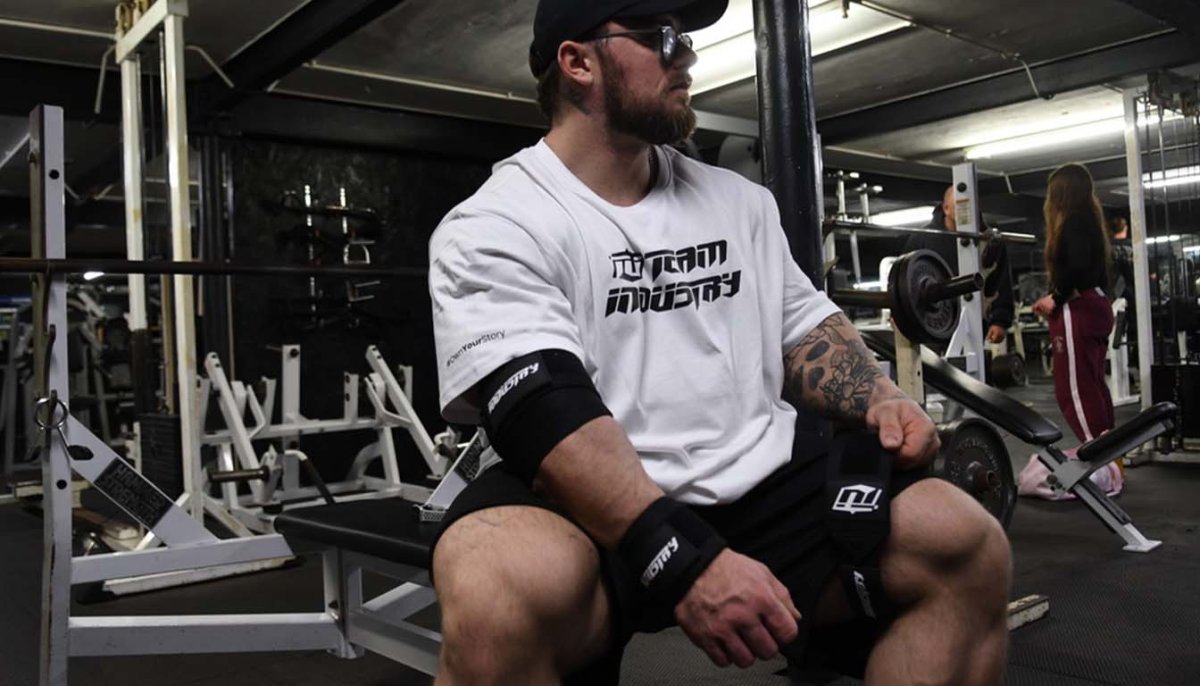
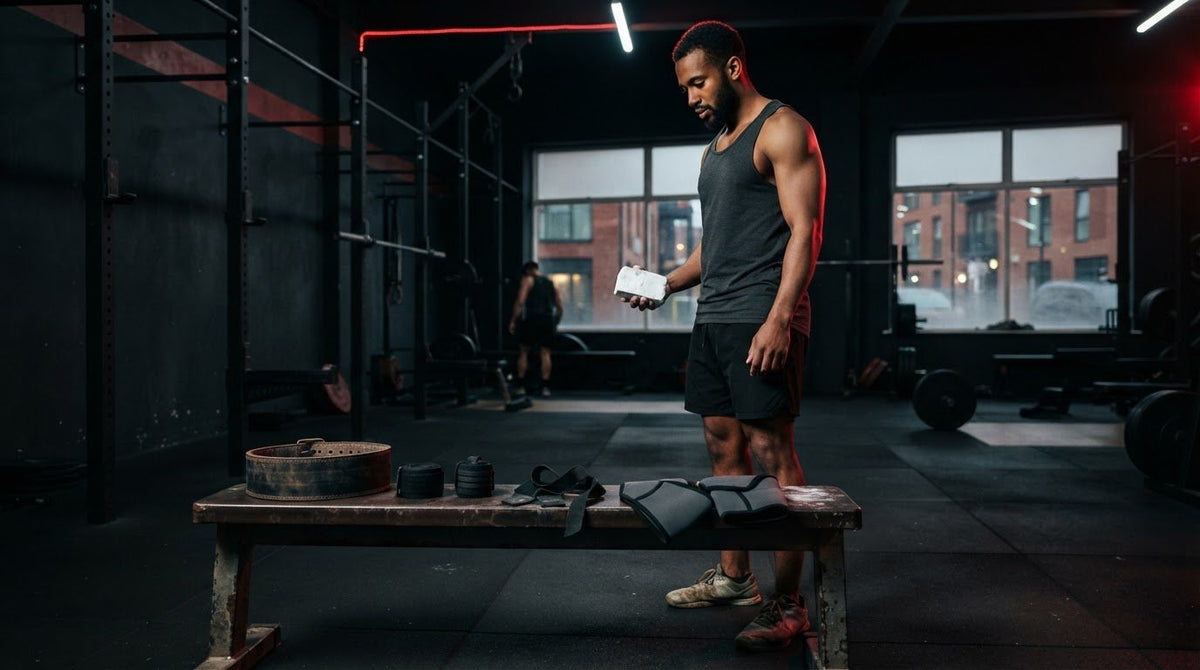
Smelling salts work best as one component of a broader safety strategy. Because ammonia triggers a sharp adrenaline spike, your physical connection to the bar must be established before the "hit" takes full effect. Using lifting straps ensures that your grip remains secure even as your heart rate climbs and your focus narrows. This is a vital part of a professional strongman training gear protocol, where the combination of neurological arousal and heavy-duty equipment allows for maximum force production while maintaining strict safety standards.
Master Your Mental Edge on the Platform
You've now got the technical blueprint for integrating ammonia into your strength routine with discipline and safety. By respecting the 10-15cm distance rule and reserving stimulants for your heaviest 90% plus attempts, you ensure every sniff delivers maximum impact without compromising your health. Mental focus is only one half of the equation. Pairing your neurological arousal with professional grade equipment provides the stability required for elite performance.
Mastering how to use smelling salts for lifting allows you to approach the bar with a clear focal point and a controlled adrenaline surge. This ritual is a hallmark of serious athletes who value precision over chaos. Our gear is built with professional-grade durability and is trusted by the Wormley fitness community and competitive UK strongmen. Whether you're prepping for a local meet or a national stage, consistency in your setup is your greatest asset.
Shop Professional Strength Accessories and Smelling Salts at Team Industry UK to equip yourself with tools designed for the grit of the platform. Stay focused, train hard, and let your preparation lead the way to your next personal best.
Frequently Asked Questions
Are smelling salts legal in powerlifting and strongman competitions?
Yes, smelling salts are legal in the majority of powerlifting and strongman federations. The World Anti-Doping Agency (WADA) does not list ammonia as a prohibited substance. However, the International Powerlifting Federation (IPF) requires that lifters don't use ammonia within view of the public. Always check your specific competition rulebook to ensure you follow local standards for platform etiquette and avoid unnecessary warnings from officials.
How long do smelling salts last once the bottle is opened?
A standard bottle of salts typically maintains its potency for one to six months depending on how frequently you open it. Understanding how to use smelling salts for lifting involves recognizing that every time you break the seal, ammonia gas escapes. To extend the life of your product, always tighten the lid immediately after your sniff. If the salts feel weak, a quick shake of the bottle can often reactivate the remaining crystals.
Can smelling salts cause permanent damage to your lungs or brain?
There is no documented evidence that occasional use of smelling salts causes permanent brain or lung damage in healthy individuals. The ammonia gas triggers a temporary irritation that results in the inhalation reflex. However, individuals with pre-existing respiratory issues or heart conditions should avoid them entirely. Overuse can lead to localized nasal membrane irritation, so use them sparingly for peak attempts to maintain high safety standards.
How often should I use smelling salts during a training session?
You should limit the use of ammonia to one or two top-tier attempts per session. Learning how to use smelling salts for lifting effectively means understanding that the neurological hit diminishes if used on every set. Constant use leads to desensitization, where your body no longer responds to the stimulus. Reserve your Team Industry Smelling Salts for third attempts or true personal record efforts to ensure they remain a viable tool.
What is the difference between "wet" and "dry" smelling salts?
Dry salts are typically pre-activated and ready for immediate use, while wet salts often require the user to add a small amount of water to trigger the chemical reaction. Wet salts are often more potent but require careful maintenance to prevent leaking. Dry formulas are generally more stable for long-term storage in a gym bag. Both formats provide the same physiological inhalation reflex when handled with the proper professional technique.
Share:
Essential Strongman Equipment for Home Gym: A Professional Guide to Building Raw Strength
How to Increase Bench Press Strength: The Professional Lifter's Guide for 2026