


Why does your grip often fail long before your lats even start to feel the burn? It's a common frustration for many lifters, and it typically stems from a lack of focus on the actual mechanics of the pull. Finding the best way to train your back and increase your back taper requires more than just moving weight from one point to another. It demands a calculated, professional approach to both your exercise selection and the specific tools you use to support your heaviest sets.
You probably understand that a powerful V-taper is the hallmark of a dedicated athlete, yet achieving that specific width while maintaining mid-back thickness often feels like a guessing game. This guide provides the clarity you need. We'll show you how to master specific training strategies that prioritize lat development and improve your mind-muscle connection during heavy rowing movements. You'll also learn how professional gear, such as Figure 8 Lifting Straps or a 10mm Lever Belt, can help you push past grip limitations and stabilize your spine for maximum hypertrophy. We are going to break down the exact movements and equipment choices you need to build a wider, more detailed back.
Key Takeaways
- Learn how the anatomy of the lats dictates the specific angles you must pull at to achieve a wider silhouette.
- Identify the essential vertical and horizontal exercises needed to develop both upper back width and mid-back thickness.
- Discover the best way to train your back and increase your back taper by using Figure 8 Lifting Straps to eliminate grip failure during heavy sets.
- Master a training frequency of twice per week to ensure consistent progress and better recovery for back development.
Understanding the Anatomy of the V-Taper
The V-taper is the physical standard for a powerful physique, defined by the specific ratio between wide shoulders and lats against a narrow waist. Finding the best way to train your back and increase your back taper starts with understanding the structural layout of your posterior chain. Without this knowledge, you're just pulling weight without a specific target.
The Anatomy of the Latissimus Dorsi shows that these large, fan-shaped muscles are the primary drivers of back width. When you develop the lats, they flare outward to create the top half of the "V" shape. This muscular expansion provides the visual width that makes the waist appear smaller by comparison.
To better understand the movements that create this look, watch this helpful video:
While lats provide the width, the rhomboids and trapezius muscles deliver the 3D detail and thickness required for a complete look. These muscles sit in the mid and upper back, filling in the space between the shoulder blades. The aesthetic taper itself is the result of prioritizing the development of the lats alongside the iliocostalis and longissimus muscles, which run vertically along the spine to create a dense, tapered finish.
Width vs. Thickness: The Strategic Difference
You must differentiate between vertical and horizontal pulling to maximize your results. Vertical pulling, such as pull-ups and lat pull-downs, primarily targets the outer lat fibers to build width. Horizontal pulling, like barbell or dumbbell rows, focuses on the mid-back and inner lats to create density and thickness. A balanced program requires both. Neglecting rows leads to a flat appearance when viewed from the side, while ignoring vertical pulls prevents that signature wide flare. Using professional gear like lifting straps during these heavy movements ensures your back muscles reach failure before your grip does. This is the best way to train your back and increase your back taper effectively while maintaining high intensity.
Essential Exercises for Maximum Back Width and Thickness
Building a powerful silhouette requires a focus on compound movements that challenge the comprehensive back muscle anatomy. You can't rely on isolation machines alone if you want professional results. The weighted pull-up remains the gold standard for widening the upper lats. It forces the muscles to adapt to a vertical load they aren't used to. For the lower lat insertions, Meadows rows and single-arm dumbbell rows are essential. These movements allow for a deeper stretch and a harder contraction at the bottom of the rep. This creates the "full" look that connects the lats to the waist.
Barbell rows provide the foundational thickness needed to fill out your frame. Without them, your back will look wide but lack substance. To finish the taper, incorporate face pulls and rear delt flyes. These cap the shoulders and upper back, ensuring the widest point of your "V" is well-defined and dense. This balanced approach is the best way to train your back and increase your back taper effectively.
Vertical Pulling Masterclass
Engagement is key for width. Use a thumbless grip to shift the tension away from your biceps and onto your lats. Don't fall into the trap of using an ultra-wide grip. A shoulder-width grip often allows for a greater range of motion and better lat activation. Control the movement. Implement a three-second eccentric (lowering) phase to trigger maximum hypertrophy. This controlled tempo is the best way to train your back and increase your back taper over time.
Rowing for Density
Stability is your priority when rowing. Keep your torso fixed to prevent lower back momentum from stealing the load. When performing single-arm rows, use the "elbow-to-hip" cue. This ensures you pull with the lats rather than the traps. If you struggle with lower back fatigue, chest-supported rows are a superior choice for isolating the mid-back. Using Figure 8 Lifting Straps during these heavy sets allows you to focus entirely on the squeeze rather than your grip strength. This approach helps you maintain the intensity required for real growth.
Overcoming Plateaus with Professional Lifting Gear
Grip strength is almost always the first thing to fail during a high-volume back session. Your lats are large, powerful muscles designed to pull heavy loads, but your hands and forearms simply cannot keep up with the same intensity over multiple sets. When your grip gives out, your back development stops. Utilizing lifting straps is the best way to train your back and increase your back taper because it removes this physical bottleneck. It allows you to move more weight for more reps, ensuring the target muscles are fully exhausted before your hands open up.
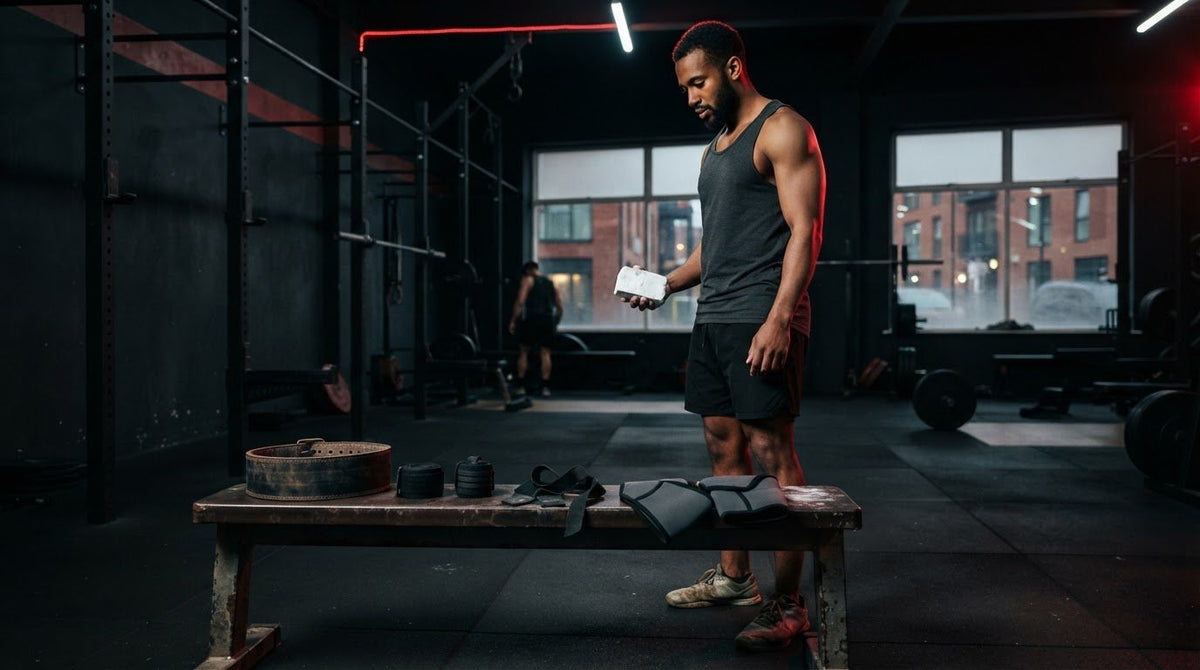
Stability is the other half of the hypertrophy equation. A weight lifting belt provides the necessary intra-abdominal pressure to protect your spine during heavy barbell rows or rack pulls. By creating a rigid surface for your core to brace against, the belt prevents your form from breaking down under load. Using straps and belts for your heaviest sets is a tactical choice for hypertrophy, not a sign of weakness. It's a calculated decision to prioritize muscle growth over secondary grip endurance.
Choosing the Right Straps for Your Pull
Selecting the right tool for the job is essential for efficiency. Lasso straps, like the Industry Classic Lifting Straps, offer great versatility for both rows and vertical pull-downs. For lifters performing max-effort movements, Figure 8 lifting straps provide a double-loop design that keeps you locked to the bar, even if your hands start to fatigue. If you experience wrist discomfort or want to focus purely on the mind-muscle connection during isolation movements, Pro Hooks shift the load directly to the forearm. This allows you to pull without having to squeeze the bar tightly.
Stability and Support for Heavy Rowing
A high-quality lever belt is essential for bracing during Pendlay rows and heavy rack pulls. Whether you choose a 10mm or 13mm lever belt, the goal is to create a secure, consistent brace for every rep. This structural support allows you to maintain a flat back and a stable torso, which is critical for isolating the mid-back and lats. Additionally, integrating wrist wraps can help maintain joint alignment during heavy pulling movements, preventing unnecessary strain. Explore the professional-grade support available at Team Industry Strength Gear to find the right equipment for your next session.
Programming for Progress and the Industry Aesthetic
Effective back development requires a structured approach to volume and frequency. For most intermediate lifters, the best way to train your back and increase your back taper is to aim for 10 to 20 hard sets per week. Splitting this volume across two sessions is superior to traditional once weekly "bro splits." This higher frequency provides more frequent growth signals to the lats and mid-back while allowing your central nervous system to recover between heavy sessions.
Growth isn't accidental; it's the result of progressive overload. You must track your weight and repetitions, but also focus on time under tension. Ensure your lats are performing the work rather than relying on momentum. Recovery is just as critical as the training itself. Prioritize high protein intake and at least seven to eight hours of sleep to support muscle repair. Schedule a deload phase every six to eight weeks to manage cumulative fatigue and prevent plateaus.
The Aesthetic Edge: Training in the Right Apparel
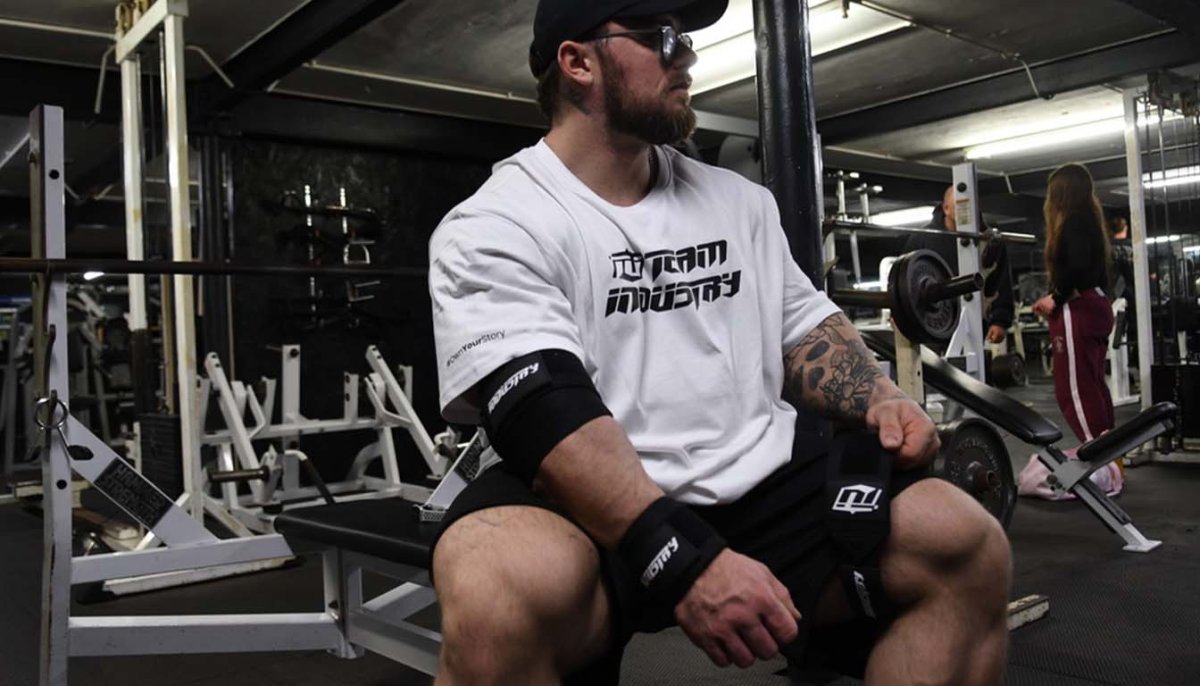
Functional clothing plays a role in your performance and your mindset. An Industry Oversized Tee is a practical choice for back day. The loose fit allows for a full range of motion during deep stretches and heavy rows without restricting your movement. The specific cut of professional bodybuilding apparel is designed to emphasize the V-taper as you pump, providing a psychological boost that keeps your intensity high. Training in gear built for the strength community reinforces your commitment to the craft.
Sample V-Taper Workout Routine
Use this routine twice per week to maximize your results. Focus on the mind-muscle connection in every rep.
- A1: Weighted Pull-ups: 4 sets of 6 to 8 reps. Focus on a full stretch at the bottom.
- B1: Barbell Rows: 3 sets of 8 to 10 reps. Use Classic Lifting Straps to ensure your grip doesn't limit your back stimulation.
- C1: Lat Pull-downs: 3 sets of 12 to 15 reps. Use a controlled tempo and emphasize the squeeze at the bottom.
Master Your Back Development and Build Your Taper
You now have a definitive blueprint for a powerful, aesthetic back. By balancing vertical pulling for lat width with heavy horizontal rows for mid-back density, you've addressed the primary requirements for a wide silhouette. Consistency in your programming, paired with adequate recovery and high protein intake, ensures your efforts in the gym translate into visible growth over time. Finding the best way to train your back and increase your back taper involves more than just effort; it requires the right tools to eliminate bottlenecks like grip failure.
Team Industry provides professional-grade gear that's been tested by strongmen and powerlifters to ensure it stands up to the heaviest sessions. As a UK-based brand, we're dedicated to supporting the local strength community with high-quality materials designed for maximum durability. Don't let your equipment be the limiting factor in your hypertrophy. Upgrade your training with the Team Industry Strength Collection and start building a back that reflects your hard work. Stay focused and stay consistent.
Frequently Asked Questions
Will using lifting straps make my grip weak?
Using lifting straps won't inherently weaken your grip if you use them strategically for your heaviest work. Reserve your Weight Lifting Straps for top sets where your back muscles can handle more load than your hands can support. Perform your warm-up sets and specific grip training exercises without assistance to maintain forearm strength. This tactical approach ensures you maximize hypertrophy in the target muscles without neglecting your manual dexterity.
How long does it take to see a noticeable V-taper?
Most lifters see a noticeable change in their silhouette within 12 to 16 weeks of consistent, high-volume training. Results depend on your starting body fat percentage and how strictly you follow the best way to train your back and increase your back taper through progressive overload. Focus on adding weight or repetitions to your movements every session. Significant muscular changes require patience and a disciplined approach to both lifting and recovery.
Can I build a wide back with only dumbbells?
You can absolutely build a wide back using only dumbbells if you focus on a full range of motion and high intensity. Exercises like single-arm rows and dumbbell pullovers are excellent for targeting the lats. Since you lack the vertical pulling of a cable machine, you must emphasize the stretch and contraction in every rep. Ensure you use Leather Weight Lifting Straps to maintain a secure hold on heavy dumbbells during long sets.
Is it better to do pull-ups or lat pull-downs for width?
Both movements are effective, but weighted pull-ups are often considered the superior choice for building raw width and upper back density. Pull-ups require more stabilization and recruit a larger amount of muscle mass. Lat pull-downs are a valuable tool for high-repetition sets and isolating the lats without the fatigue of moving your entire body weight. Incorporating both into your weekly routine is the best way to train your back and increase your back taper efficiently.
Should I train my back on the same day as my deadlifts?
You can train them together, but many lifters find that separating heavy deadlifts from back isolation work prevents premature fatigue. Deadlifts are exceptionally taxing on the central nervous system and lower back. If you choose to combine them, perform deadlifts first while you are fresh. Always use a 13mm Lever Belt for maximum spinal support during these high-intensity compound movements to ensure safety and stability throughout the session.
Share:
Liquid Chalk vs Block Chalk: The Lifter’s Guide to Maximum Grip in 2026
How to Use Lifting Straps for Deadlifts: A Professional Guide for Athletes