

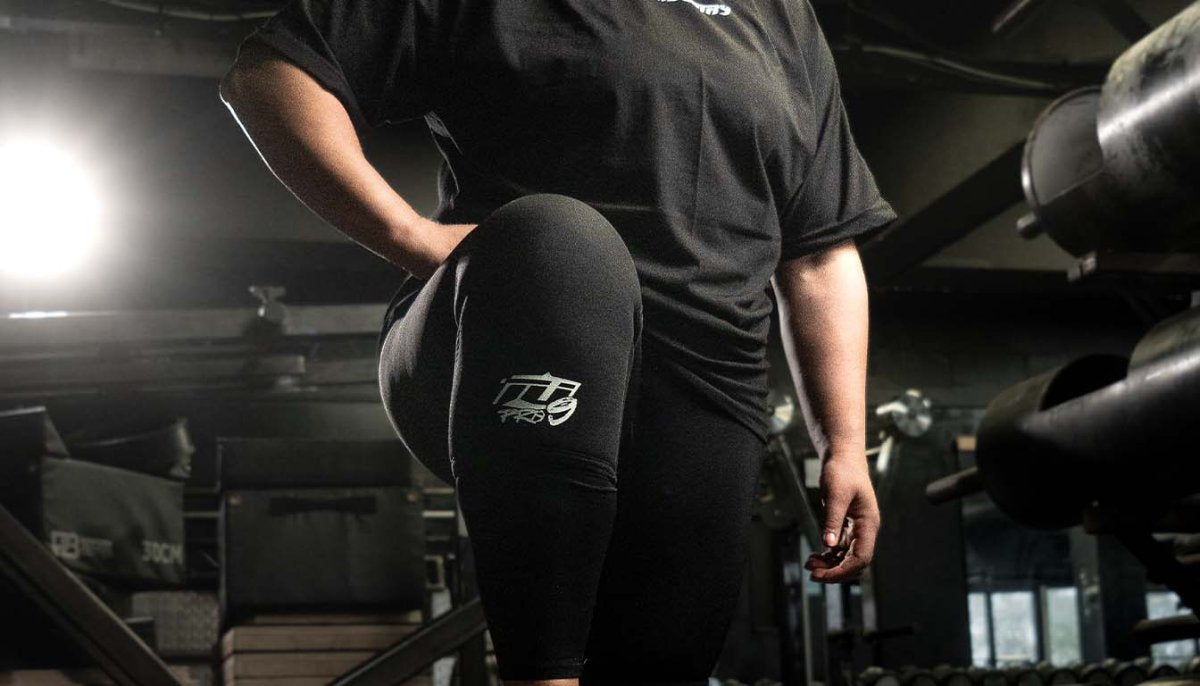
What if the difference between a missed lift and a new personal record isn't your programming, but the stability of your equipment? For any strength athlete moving serious weight, the right gear is a matter of operational safety as much as performance. Standard sleeves often fail when the load gets heavy, sliding down or losing the elasticity needed to support the joint. Investing in professional-grade heavy duty knee sleeves ensures your knees remain stable under the most demanding conditions.
You likely know the frustration of sleeves that bunch up or fail to provide the compression you need during a heavy squat. We'll show you how to choose gear that offers a genuine mechanical advantage and protects your joint longevity. This guide covers everything from achieving a competition tight fit to understanding the rebound effect at the bottom of a lift. By the end, you'll know how to select durable equipment that stands up to the rigors of strongman and powerlifting without tearing or losing its shape. We focus on providing the practical, technical knowledge you need to lift with confidence and precision.
Key Takeaways
- Identify the structural differences between standard neoprene and the high-compression fabrics required for maximal loading.
- Learn how heavy duty knee sleeves create a mechanical rebound effect to assist your performance at the bottom of a lift.
- Master the measurement techniques required for a secure competition fit. This ensures your equipment remains stable under heavy axial loads.
- Explore how to combine joint support with a professional Team Industry Lifting Belt for improved total-body stability.
- Understand the specific operational roles of sleeves versus wraps to determine which tool fits your current training phase.
What Defines Heavy Duty Knee Sleeves for Strength Training?
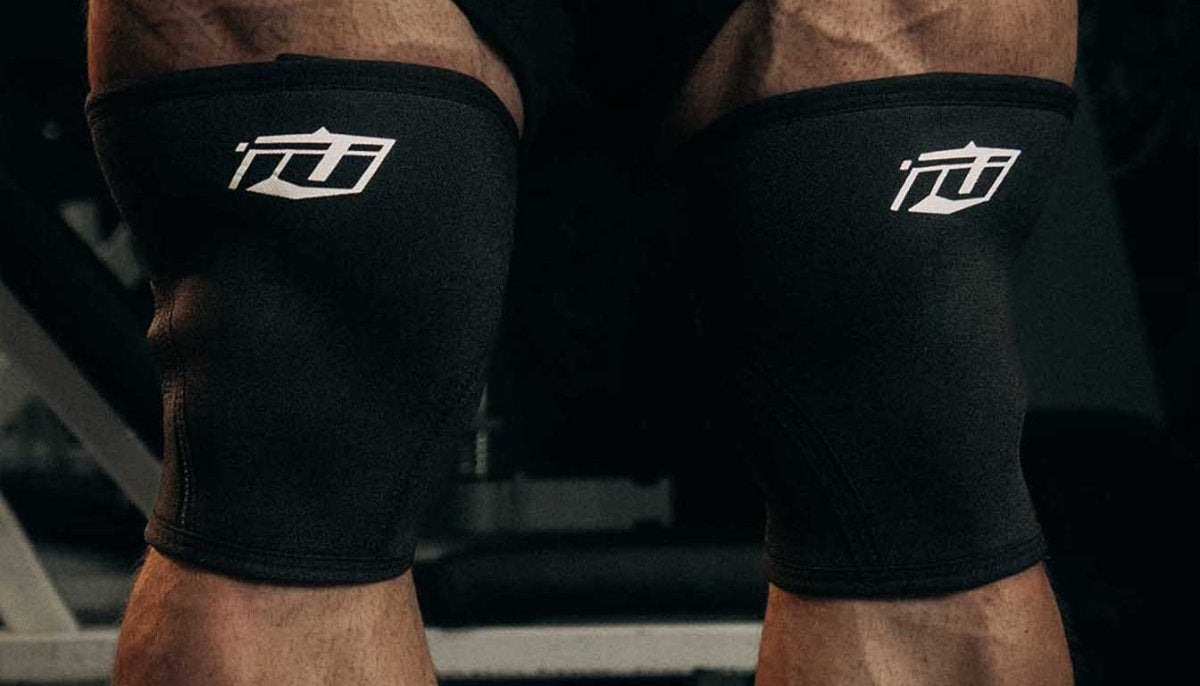
Heavy duty knee sleeves are professional-grade compression tools engineered to support the joint under maximal loads. While standard sleeves focus on general comfort, these are designed as precision equipment for athletes who prioritize stability and performance. Powerlifters, strongmen, and heavy bodybuilders rely on this gear to maintain joint integrity when the weight on the bar reaches extreme levels. The primary goal is to provide a rigid structure that prevents lateral movement and supports the patella during deep flexion. It's a functional investment for anyone moving weights that challenge the body's natural structural limits.
Neoprene vs. Double-Ply Fabric
The choice between materials depends on your specific training goals. Standard 5mm or 7mm neoprene is the most common choice for consistent compression and heat retention. It keeps the joint warm. This warmth improves blood flow and reduces the risk of minor strains during high-volume sessions. However, for those seeking maximum mechanical aid, double-ply elasticated fabric is a superior option. This construction uses layered materials to create a stiffer sleeve that offers a significant rebound effect at the bottom of a squat. While neoprene is excellent for general support, double-ply sleeves are the preferred choice for strongman athletes who need that extra "pop" to move massive weights. Both styles offer distinct advantages based on the intensity of your session.
The Science of Compression and Proprioception
Tight sleeves provide more than physical support; they enhance the neurological connection to your movement. Proprioception is the body's ability to sense its own position and motion through sensory receptors located in the skin, muscles, and joints. When you use heavy duty knee sleeves, the intense pressure against the skin increases this sensory feedback. This allows you to better track your knee path and feel your depth during heavy squats. It's a pragmatic tool for any athlete who wants to ensure their form remains precise under fatigue. Increased compression also helps stabilize the joint by reducing the "wobble" that can occur during the most difficult part of a lift.
The Performance Benefits of Professional-Grade Knee Support
Professional-grade support is about more than just comfort. Under heavy axial loading, the primary challenge is maintaining joint alignment. Heavy duty knee sleeves provide the necessary rigidity to reduce lateral movement. This ensures the force you generate goes directly into the lift rather than being dissipated through joint instability. This mechanical advantage is critical for powerlifters and strongmen handling loads that challenge their structural limits.
Beyond physical stability, these sleeves mitigate injury by dampening vibrations. Excessive vibration during heavy movements can irritate the patellar tendon and surrounding ligaments over time. Proper compression helps manage this stress. There is also a significant psychological component to consider. The "locked-in" sensation provided by high-compression gear allows you to focus entirely on the lift's execution. You feel more secure, which often translates to more aggressive attempts.
Increasing Your Squat Max with Mechanical Support
The stiffness of the material provides a distinct rebound effect. As you reach the bottom of your squat, the material stores elastic energy. This tension assists the transition from the eccentric to the concentric phase. It helps you drive "out of the hole" with more speed and control. While these tools aid performance, they aren't a substitute for technical proficiency. Treat them as a supplement to a solid foundation. If you're looking to maximize this effect, consider the Team Industry Heavy Duty Knee Sleeves to find the right level of compression for your training phase.
Temperature Regulation and Joint Health
Maintaining joint temperature is vital for long-term health. High-density sleeves trap heat effectively. This keeps the synovial fluid within the joint warm and viscous, acting as a primary lubricant for the knee. In the UK, many athletes train in unheated warehouses or cold garage gyms. In these environments, temperature regulation is essential. It ensures the joint remains mobile and protected from the first warm-up set to the final heavy attempt. Consistent heat helps prevent the stiffness that often leads to minor strains.
Sizing and Maintenance: Getting the Most from Your Gear
Selection is only half the battle. Correct sizing and maintenance ensure your gear performs as intended over its lifespan. Accuracy is non-negotiable when measuring for professional support. Measure the circumference of your knee joint at the center of the patella with a straight leg. Next, measure the thickest part of your calf. If your calf is significantly larger than your knee joint, use the calf measurement to determine your size. This prevents the sleeve from getting stuck or causing unnecessary strain on the seams during application.
Choose your fit based on your current training cycle. A training fit provides consistent support and warmth for high-volume sessions. A competition fit is tighter and designed for maximal attempts where every bit of mechanical advantage counts. Don't go so tight that you experience numbness or restricted blood flow. Putting on heavy duty knee sleeves shouldn't be a workout itself. Use the fold-over method: turn the top half of the sleeve inside out over the bottom half. Pull the folded sleeve up your leg until the bottom edge reaches its final position, then flip the top half up over your knee. This technique protects the material and saves your energy for the platform.
The Team Industry Sizing Philosophy
We advocate for a snug, secure fit that maintains operational safety. Over-compressing the joint can lead to discomfort that distracts from the lift or restricts necessary movement. It's about finding the balance between a "locked-in" feel and functional mobility. You can find detailed charts and guides in the Team Industry accessories collection to help you make an informed choice for your specific body type.
Pro-Care: Washing and Longevity
Hygiene is as important as performance. Never leave damp sleeves in a gym bag. This leads to bacterial growth and the "gym bag smell" that eventually degrades the fabric. Hand wash your sleeves in cold water with a mild detergent. Avoid the tumble dryer at all costs. High heat breaks down the elastic fibers and neoprene, leading to a permanent loss of compression. Air-dry them flat in a well-ventilated area away from direct sunlight to maintain the structural integrity of the ply. Ensure your gear is ready for your next heavy session by browsing the full range of Heavy Duty Knee Sleeves at Team Industry.
Building Your Strength Kit: Beyond the Sleeves
Viewing your equipment as an integrated system rather than isolated purchases is essential for consistent performance. While heavy duty knee sleeves provide critical joint stabilization, they function best when paired with other professional-grade tools. For example, using sleeves in tandem with a professional weight lifting belt creates a comprehensive support network. The belt facilitates intra-abdominal pressure to stabilize your core, while the sleeves secure the primary hinge point of the lower body. This combination allows for more efficient force transfer throughout the entire lift.
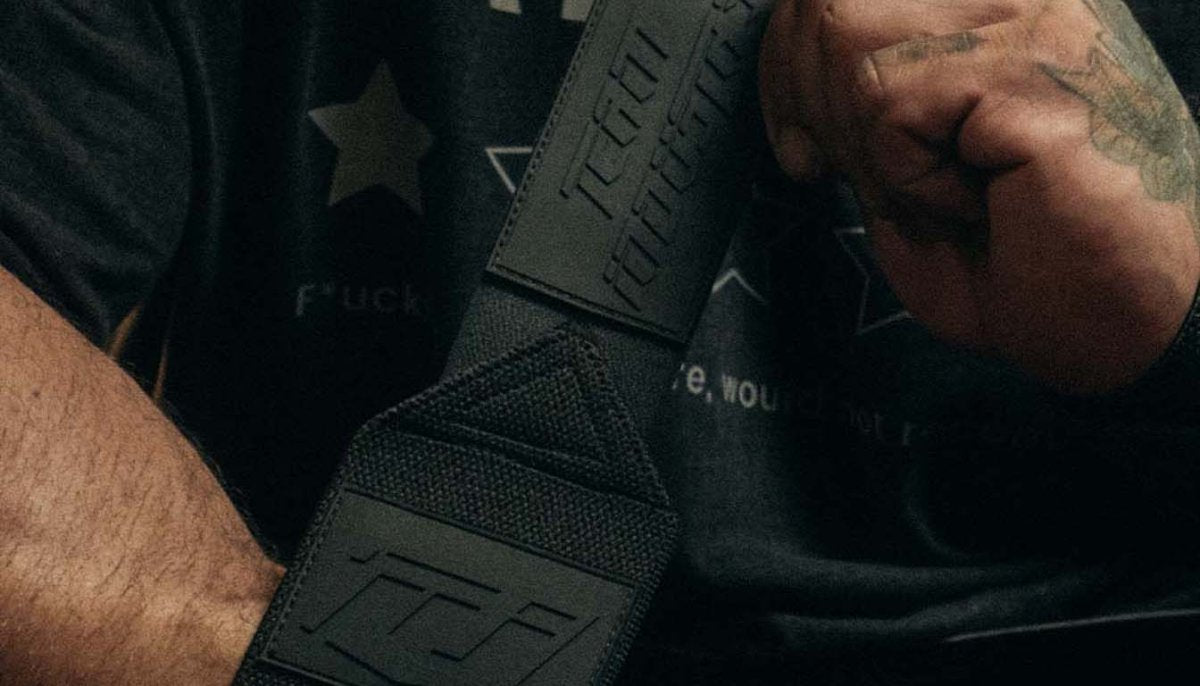
In strongman training, the demands on your gear change rapidly during medleys. You need equipment that transitions seamlessly between static lifts and moving events. Pairing your knee support with Figure 8 lifting straps ensures your grip remains locked during heavy carries or deadlift repetitions without compromising the blood flow or positioning of your sleeves. Consistency in your gear brand also plays a role in competition prep. When you use a unified kit, you develop a predictable feel for how the materials react under maximal loads, which reduces variables on the platform.
Sleeves vs. Wraps: When to Switch?
Use sleeves for roughly 90% of your training sessions. They are ideal for building raw strength and joint resilience because they provide compression while allowing for natural movement. This makes them the standard choice for most powerlifting and bodybuilding volume. Reserve weight lifting knee wraps for "equipped" powerlifting or specific max-effort strongman events where you require the absolute maximum mechanical aid. Wraps offer more tension but require more time to apply, making sleeves the more practical choice for daily operational training.
The Team Industry Standard
Building a professional kit requires an understanding of how each piece of equipment serves your specific goals. For a full breakdown of essential equipment, read our guide on Strongman training gear UK. We take a pragmatic approach to strength, focusing on gear that stands up to the reality of heavy sessions. If you want to feel the material density for yourself, visit our Wormley shop to test the stiffness of our Heavy Duty Knee Sleeves before your next heavy session. We're committed to providing the reliable tools you need to reach your next personal record safely.
Elevate Your Strength Standards
Professional equipment is a foundational requirement for any athlete moving serious weight. You now understand how material density and double-ply construction provide the mechanical advantage needed to drive out of the hole during heavy squats. By prioritizing correct sizing and rigorous maintenance, you ensure your support remains a dependable part of your kit for many seasons. These tools are precision-engineered for the specific realities of strongman and powerlifting. They provide the stability required to manage axial loads that challenge your body's structural limits.
Team Industry offers equipment built with professional-grade durability. Our gear is trusted by UK strength athletes who demand reliability when the weight on the bar is at its highest. Investing in high-quality heavy duty knee sleeves is a pragmatic step toward long-term joint health and improved lifting performance. It's about having the right tools to match your dedication in the gym.
Ready to upgrade your joint support? Shop Team Industry Heavy Duty Knee Sleeves and experience the difference that specialized engineering makes to your training. We're committed to providing the gear you need to reach your next personal record with confidence.
Frequently Asked Questions
Do heavy duty knee sleeves actually help you squat more weight?
Yes, these tools provide a measurable mechanical advantage during the squat. The high-density fabric stores elastic energy at the bottom of the movement, which assists your drive back to the starting position. Using heavy duty knee sleeves also improves joint stability, allowing you to focus entirely on force production rather than balancing the load during maximal attempts.
How tight should my knee sleeves be for powerlifting?
Your sleeves should be tight enough to provide significant compression without causing numbness or restricted circulation. Most athletes prefer a "training fit" for high-volume sessions and a "competition fit," which is typically one size smaller, for meet day. If you can't hit your required depth due to the material bunching, the sleeves may be too small for your current calf measurements.
Can I wear heavy duty knee sleeves for my entire workout?
It's best to wear your sleeves only during your primary heavy sets. Keeping high-compression gear on for an entire two-hour session can restrict blood flow and lead to skin irritation. Slide them down to your shins between exercises to allow your joints to breathe. This practice also helps preserve the elasticity of the material, ensuring your gear lasts longer through heavy training cycles.
What is the difference between 7mm neoprene and double-ply sleeves?
The primary difference is the level of rigidity and rebound provided during the lift. Neoprene is excellent for consistent warmth and moderate compression, making it a staple for general strength training. Double-ply sleeves offer maximum stiffness for those seeking a more aggressive mechanical aid at the bottom of a squat. You can find both professional-grade options in our joint support collection.
How do I stop my knee sleeves from smelling?
Preventing odor starts with proper ventilation immediately after your session. Never leave your damp gear in a closed gym bag, as this encourages bacterial growth. Instead, air-dry them in a cool, well-ventilated area and hand wash with cold water and mild detergent when necessary. For more maintenance tips and to see our full range of gear, explore the Team Industry joint support range.
Share:
Team Industry UK Review 2026: Is This Professional Strength Gear Worth It?
Best Oversized Powerlifting Tees: A Technical Guide