

A December 2025 survey of 225 strength athletes revealed that 63.6% of those who use neoprene gear prefer the 7mm thickness for their training. When you're deciding between 7mm vs 5mm knee sleeves for squats, that statistic highlights a clear trend toward maximum support. However, the right choice isn't always about following the crowd. It's about finding the specific balance between joint warmth and the mobility you need for your lifting style.
You've likely felt that nagging hesitation before a heavy set or wondered if your sleeves are actually providing a "pop" out of the hole. We agree that your gear needs to be a dependable partner in your progress, not a source of confusion. This comparison will help you discover which thickness will maximize your squat stability and protect your joints based on your training goals. We'll examine the technical differences in compression, the trade-off with mobility, and how to stay compliant with federation safety standards.
Key Takeaways
- Identify how neoprene thickness affects joint warmth and compression levels to protect your knees during heavy training blocks.
- Evaluate 7mm vs 5mm knee sleeves for squats to find the right balance between mechanical assistance and the flexibility needed for accessory movements.
- Match your gear to your specific sport, whether you prioritize the "pop" out of the hole for powerlifting or sensory feedback for high-rep bodybuilding.
- Master the sizing process by measuring both the knee and calf to ensure a secure fit that supports performance without compromising blood flow.
- Implement practical maintenance steps to extend the life of your Heavy Duty Knee Sleeves and maintain consistent support during every session.
Table of Contents
The Fundamentals of Knee Sleeve Thickness: 7mm vs 5mm
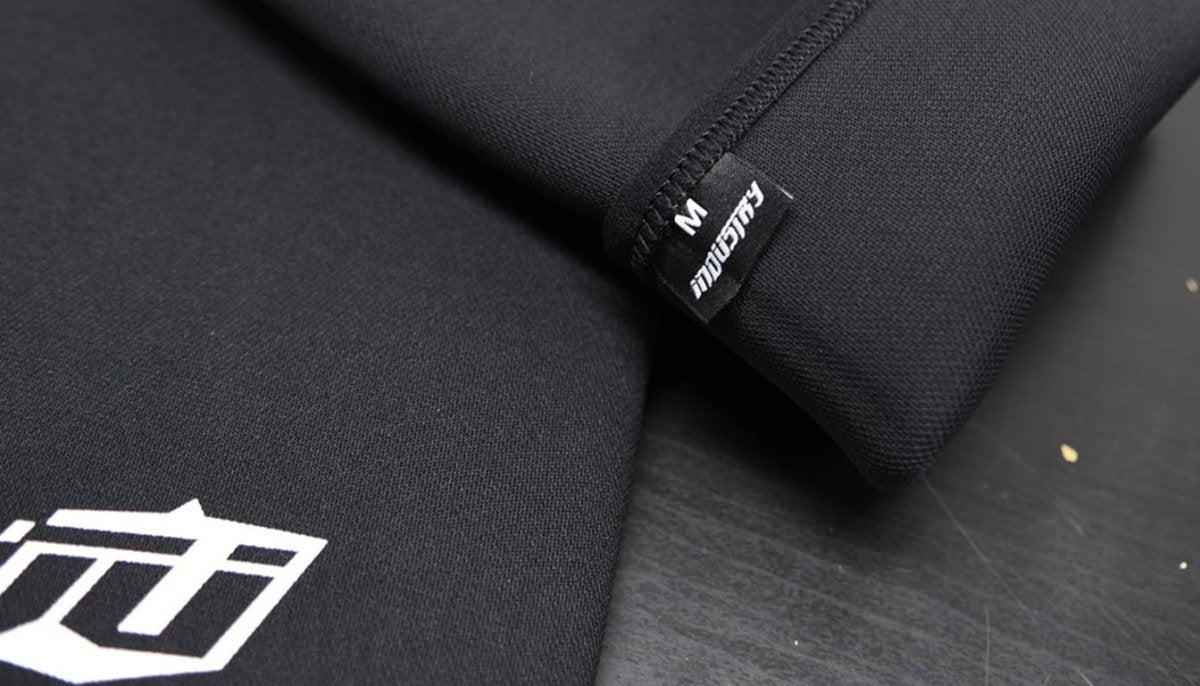
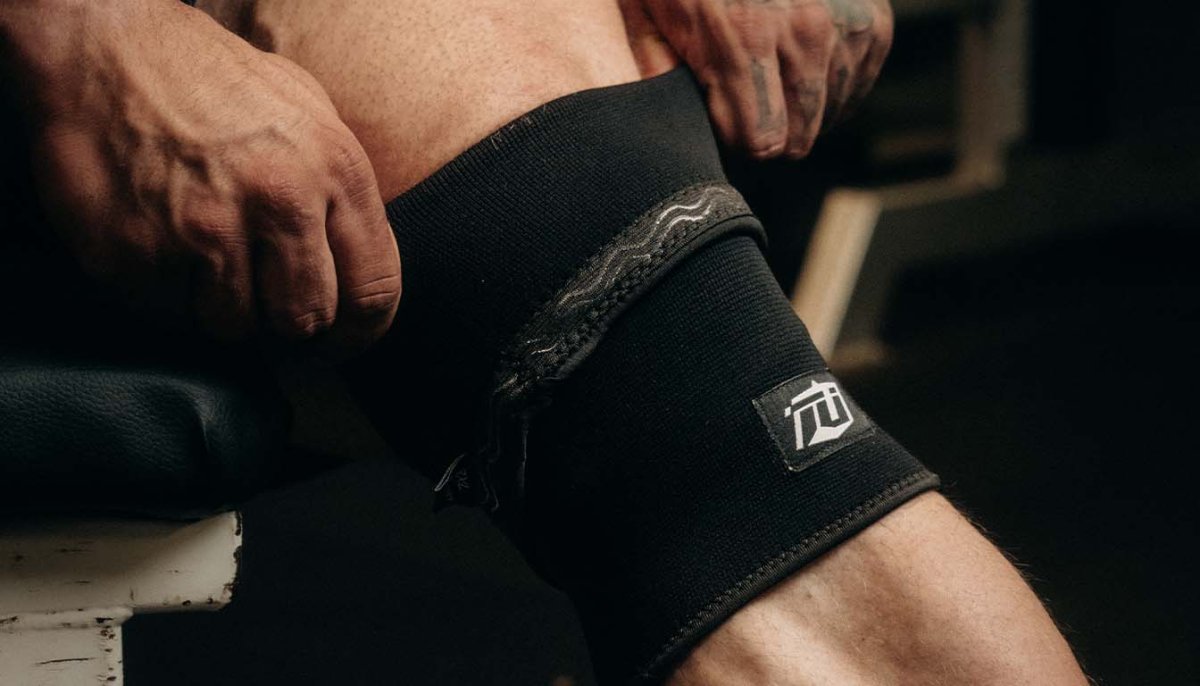
Knee sleeves are essential Lifting accessories designed to provide compression and heat around the joint. Most high-quality sleeves are manufactured from Styrene Butadiene Rubber (SBR) or Chloroprene Rubber (CR) neoprene. The "mm" measurement refers to the thickness of the neoprene material used, which directly impacts the level of support provided. When you're weighing up 7mm vs 5mm knee sleeves for squats, the 7mm version is the gold standard for maximal support in static lifts. 5mm sleeves offer a balance of joint warmth and moveability for dynamic training.
To better understand how these thicknesses compare in a real-world setting, watch this helpful video:
What is a 7mm Knee Sleeve?
A 7mm sleeve is designed for maximum compression and physical resistance against knee flexion. This thickness is ideal for low-repetition, high-intensity squatting where stability is the priority. It creates a rigid environment that helps keep the joint tracking correctly under heavy loads. For athletes who require this level of heavy-duty reinforcement, explore the Team Industry UK joint support collection for reliable options.
What is a 5mm Knee Sleeve?
A 5mm sleeve features a lighter construction that allows for a greater range of motion. It provides significant joint warmth and proprioceptive feedback without the excessive stiffness found in thicker versions. This makes it suited for higher volume sets, lunges, and functional fitness movements. It's a pragmatic choice for lifters who need consistent protection but still want to move freely between different exercises during a session.
Performance Breakdown: Support vs. Mobility
When you're comparing 7mm vs 5mm knee sleeves for squats, the primary trade-off is between mechanical assistance and athletic freedom. 7mm sleeves are significantly heavier and retain more heat than their thinner counterparts. This thickness is engineered to withstand the extreme tension of max-effort loads, making them the preferred choice for dedicated powerlifters. While 5mm sleeves focus on maintaining blood flow and enhancing proprioception, the 7mm version provides a physical rebound that can change the feel of your heaviest sets.
The 'Pop' Out of the Hole
At the bottom of a squat, 7mm neoprene bunches behind the knee joint to create a mechanical spring effect. Many lifters describe this as a "pop" that helps them drive through the sticking point. While research into the biomechanics of knee sleeves suggests they don't fundamentally rewrite your lifting mechanics, the physical sensation of stability is undeniable. 5mm sleeves feel more natural and less intrusive, but they provide noticeably less assistance when you're working with 90% or more of your one-rep max. The 7mm material simply offers more physical resistance against the weight.
Mobility and Versatility
Performing accessory movements like leg extensions or walking lunges can be a struggle in stiff 7mm sleeves. The material is designed for vertical stability, not multi-directional movement. For lifters who don't want to take their sleeves off mid-session, 5mm is the pragmatic choice. They offer enough flexibility to transition from squats to higher-volume accessory work without restricting your range of motion. However, if your training is centered on maximal strength, the durability of thicker neoprene is a major factor. Thicker sleeves generally withstand the repetitive tension of heavy squatting for longer periods before the material begins to thin. If you need that level of reliable reinforcement for your heaviest sessions, consider our Heavy Duty Knee Sleeves to ensure consistent joint protection.
Choosing Your Shield: Which Thickness Suits Your Goals?
Selecting between 7mm vs 5mm knee sleeves for squats requires a pragmatic look at your training log. Your choice should align with your primary lifting discipline and your personal injury history. Thicker sleeves provide a higher level of physical and mental security, which is vital if you've previously dealt with joint discomfort. For a complete support system that addresses all your high-stress points, integrate your choice with other Team Industry UK professional strength gear like wrist wraps or a solid lifting belt. While 7mm is the standard for heavy lifting, it can be overkill for casual training where mobility is more valuable than maximal compression.
The Case for 7mm (Powerlifting & Strongman)
If your programme focuses on low-bar, heavy-weight squatting, the 7mm sleeve is an essential tool. It provides the rigid support required for maximal efforts and helps maintain joint integrity under extreme loads. Competitive federations often have specific rules regarding sleeve thickness and length to ensure safety and fair play. If you're moving heavy implements or logs, consult our Strongman Training Gear UK guide for deeper context on how to gear up for heavy events. The 7mm thickness remains the reliable choice for those who prioritise absolute strength over all else.
The Case for 5mm (Bodybuilding & GPP)
Bodybuilders chasing a pump with higher rep ranges, typically 10 to 15 reps, often find 7mm sleeves too restrictive during deep knee flexion. The 5mm option is the superior choice for high-intensity training styles that involve fast-paced supersets and minimal rest. It keeps the joint warm and lubricated without the "binding" sensation that can occur in thicker material. This makes it ideal for general physical preparedness (GPP) where you might transition from squats to lunges or even a short metabolic finisher. It offers the protection you need without the bulk of a competition-specific sleeve.
Ready to upgrade your training kit? View our full range of Team Industry UK Heavy Duty Knee Sleeves to find the thickness that matches your intensity.
Sizing and Maintenance for Heavy Duty Sleeves
Once you've analyzed the technical differences between 7mm vs 5mm knee sleeves for squats, the final step is securing the correct fit. A sleeve that's too loose fails to provide necessary compression, while one that's too tight creates a safety hazard. We recommend measuring both your knee and your calf to find a balance that supports your joints without compromising your health. A dependable sleeve should feel snug and secure, but you must be able to complete your sets without numbness or tingling.
Avoid the common "size down" myth. While some athletes believe excessive tightness adds poundage to their squat, over-compressing neoprene causes the material to fail prematurely. It also risks restricting circulation during heavy sets. If the sleeve is so tight that it requires multiple people to pull it on, you're likely stressing the seams beyond their intended limit. Pragmatic sizing ensures your gear remains a reliable partner for the long term.
Getting the Perfect Fit
Precision is vital when selecting your size. Follow this step-by-step guide to ensure accuracy:
-
Use a flexible measuring tape for the most accurate reading.
-
Measure around the center of your knee, directly over the mid-patella, while your leg is straight.
-
Measure the widest part of your calf to ensure the sleeve can slide over it.
-
Compare these figures to the manufacturer's specific size chart.
Keep in mind that 7mm sleeves require a more precise fit than more forgiving 5mm versions because the thicker material has significantly less "give" during the application process.
Longevity and Care
To maintain the integrity of your Heavy Duty Knee Sleeves, implement a strict cleaning protocol. We recommend hand-washing in cold water with a mild detergent to preserve neoprene elasticity. You should never use a tumble dryer for your lifting gear, as the high heat will break down the synthetic rubber and ruin the fit. Air-dry your sleeves inside out after every session to prevent "gym staph" and odour build-up. Inspect them regularly for signs of thinning or seam splitting; if the neoprene loses density, it's time to replace them.
Equip Your Training for Maximum Stability
Choosing between 7mm vs 5mm knee sleeves for squats is a pragmatic decision based on the specific demands of your training cycle. Whether you require the rigid rebound of a 7mm sleeve for a new personal best or the versatile warmth of a 5mm option for high-volume accessory work, your gear should be a dependable partner in your progress. We've seen that the right thickness doesn't just protect the joint; it provides the mental and physical security needed to commit to every rep.
Team Industry UK provides professional-grade neoprene designed specifically for the unique requirements of the UK strength community. Our equipment is trusted by competitive powerlifters and strongmen who demand gear that withstands heavy, repetitive tension. With durable reinforced stitching and a focus on operational excellence, we ensure your gear lasts as long as your dedication. It's about providing the reliability you need in a fast-moving training environment.
Upgrade your squat with Team Industry UK Heavy Duty Knee Sleeves and secure the stability your training deserves. We're committed to supporting your journey toward peak performance with gear that won't let you down. Stay focused on the grit and reality of your goals; we'll provide the support to get you there.
Frequently Asked Questions
Can I use 7mm knee sleeves for every workout?
You can use them daily, but it may not be optimal for every training style. 7mm sleeves are built for heavy, linear movements like the squat. If your workout includes running, box jumps, or high-repetition accessory work, the stiffness might cause discomfort or restrict your range of motion. Most athletes save their 7mm sleeves for dedicated strength sessions and use a lighter option for general conditioning to maintain better mobility.
Do knee sleeves actually help you squat more weight?
Knee sleeves provide physical compression and psychological security, but they aren't a shortcut to a higher one-rep max. The compression increases blood flow and joint warmth, which improves your confidence under the bar. While they don't add mechanical advantage in the same way as powerlifting wraps, many lifters find they can handle heavier volume more comfortably. For maximum support, consider our Heavy Duty Knee Sleeves to stabilize your heaviest sets.
Should I buy 5mm or 7mm for CrossFit and functional fitness?
The 5mm thickness is generally the better choice for CrossFit because it allows for a greater range of motion. When you're moving between Olympic lifts, gymnastics, and cardiovascular work, the flexibility of a 5mm sleeve is a significant advantage. It provides joint protection without the restrictive bulk of a thicker sleeve. In the debate of 7mm vs 5mm knee sleeves for squats, the 5mm wins for athletes who value versatility over maximal compression.
How tight should my knee sleeves be for squats?
Your sleeves should provide firm compression without cutting off circulation or causing skin irritation. When you measure for 7mm vs 5mm knee sleeves for squats, ensure the sleeve stays in place during deep knee flexion. If you see your skin changing colour or feel a loss of sensation in your feet, the sleeves are too small. A secure fit should require some effort to pull on but shouldn't be a struggle that leaves you exhausted before your set.
Is there a difference between knee sleeves and knee wraps?
The two serve very different purposes in strength training. Knee sleeves are a single piece of neoprene designed for compression, warmth, and proprioception. Conversely, Weight Lifting Knee Wraps are long strips of elastic material that you wrap tightly around the joint to provide extreme mechanical assistance. Wraps are typically reserved for competitive powerlifting attempts, while sleeves are the standard for everyday training and general joint health.
Share:
Is a 13mm Lifting Belt Too Thick? A Guide to Professional Strength Support
Tactical Gym Backpack: The Ultimate Gear Organiser for UK Strength Athletes