
A 2015 international survey revealed that 49% of competitive strength athletes use ammonia inhalants, yet far too many treat them like theatrical props rather than precision instruments. When you are staring down a third-attempt deadlift, using smelling salts for powerlifting can feel like the ultimate shortcut to instant, aggressive clarity. You know the frustrating feeling of stepping onto the platform either flat and under-aroused or so rattled by an uncontrolled hit that you misgroove your setup entirely.
You can easily harness that sharp neurological jolt without risking painful chemical burns to your nasal passages or running afoul of platform rules. In this guide, you will discover the exact physiological mechanisms driving the sympathetic nervous system spike, correct bottle distances and timing, and competition regulations across major drug-tested federations. We examine how to turn raw arousal into reliable, calculated lifting performance.
Key Takeaways
- Understand the precise biological process by which ammonia fumes stimulate the trigeminal nerve and awaken the sympathetic nervous system for maximal efforts.
- Master safe inhalation mechanics, including the non-negotiable fifteen-centimetre buffer zone to protect mucous membranes from irritation.
- Review federation policies across drug-tested organisations to ensure smelling salts for powerlifting are used strictly within backstage guidelines.
- Integrate sensory stimulants strategically alongside supportive essentials like lever belts and wrist wraps to create a stable, competition-ready setup.
The Science of Smelling Salts: How Ammonia Activates the Nervous System
Smelling salts are typically formulated from diluted ammonium carbonate compounds that rapidly off-gas pungent ammonia. Rather than entering the lungs as fuel, these sharp chemical vapours irritate the sensory endings of your nasal mucous membranes and the trigeminal nerve. The brain responds with an involuntary respiratory reflex, instantaneously elevating heart rate, dilating bronchial pathways, and transiently mobilising sympathetic drive.
To see how this sudden autonomic response looks in practice on the platform, watch this quick demonstration:
The Involuntary Respiratory Reflex and Sympathetic Arousal
Once ammonia stimulates the nasal passages, your brainstem registers a noxious stimulus within milliseconds. This activates an immediate fight-or-flight cascade, delivering several rapid physiological shifts:
- Accelerated heart rate and acute adrenaline release
- Instant dilation of bronchial passages for faster oxygen uptake
- Immediate sensory shock that clears mental fog before a heavy pull
When approaching the platform, using smelling salts for powerlifting acts as a calculated neurological primer rather than a direct physical booster.
Neurological Focus vs. Chemical Crutch: What Ammonia Cannot Do
Ammonia generates acute psychological arousal, not physiological power. Scientific research from 2023 indicates there is no measurable increase in maximal strength or mechanical force from ammonia inhalants alone. Using smelling salts for powerlifting to mask systemic central nervous system fatigue or cut corners on sleep is a mistake. Chemical stimulation cannot replace foundational recovery; it simply helps you channel intent on the platform.
How to Use Smelling Salts for Heavy Lifts: Step-by-Step Protocol
Executing an effective lift requires absolute composure alongside high arousal. Clinicians examining the physiological action of smelling salts emphasise that the gas should trigger an alert reflex, not burning distress. You want a structured procedure rather than reckless inhalation. Keep your bottles sealed tightly upright in cool, dry gym bags to prevent premature degradation of the active compound.
Follow this straightforward operational sequence on heavy training days:
- Uncap the bottle while keeping it well away from your face.
- Hold the container roughly 10 to 15 centimetres (4 to 6 inches) below your nostrils.
- Gently waft the rising gas toward your nose; never stick the bottle directly under your nostrils.
- Take one short, sharp sniff, recap immediately, and proceed straight to the barbell.
The Proper Inhalation Distance and Platform Timing
Timing your hit dictates how well you translate arousal into barbell velocity. Take your waft exactly 30 to 45 seconds before stepping onto the platform. This window allows the immediate stinging sensation to settle into crystalline mental focus just as your hands hit the knurling. Complete your physical setup first; chalk your palms, tighten your belt, and prepare your wrists. Serious lifters frequently combine this mental trigger with battle-tested support from the Team Industry strength gear collection to stay fully locked in.
Managing Tolerance and Avoiding Nasal Mucosa Irritation
Discipline preserves potency. Reserve smelling salts for powerlifting strictly for third attempts or true maximum singles above 90% of your 1RM. Sniffing ammonia during warm-ups or moderate volume sets desensitises your trigeminal pathways and risks inflaming your mucous membranes. Treat ammonia as an occasional competition spark, not an everyday training routine.
Federation Rules and Legality: Are Smelling Salts Banned in Competition?
Lifters often wonder if their pre-lift ritual violates anti-doping policies. Ammonia is not listed on the World Anti-Doping Agency (WADA) Prohibited List. That means using smelling salts for powerlifting will not trigger an adverse analytical finding on a drug test. Regulatory compliance issues arise from platform decorum rather than chemical testing.
Governing bodies focus strictly on presentation and athlete safety during sanctioned events:
- International Powerlifting Federation (IPF): Permits ammonia inhalants, but explicitly forbids their use in public view of the audience or media.
- USA Powerlifting (USAPL): Bans the use of ammonia or smelling salts within view of spectators; a first breach yields a warning, while repeated violations lead to disqualification.
- United States Powerlifting Association (USPA): Prohibits opening ammonia capsules or bottles near the lifting platform or within the line of sight of judges.
WADA Anti-Doping Status and Powerlifting Rulebooks
Because ammonia inhalants produce a transient reflex rather than systemic physiological adaptations, anti-doping bodies do not classify them as performance-enhancing substances. Tested federations follow this standard. You can utilise smelling salts for powerlifting without jeopardising your competitive eligibility, provided you know where the rulebook draws the line.
Backstage Protocol vs. Platform Decorum Rules
Federations enforce strict bans on public inhalation to preserve the professional integrity of the sport. Keep your bottle tucked safely inside the warm-up area behind the curtain. Cracking an ampoule, shouting, or having a coach wave a bottle on the competition platform will earn you a swift technical penalty. Organise your backstage routine ahead of time and keep your essentials accessible by exploring our dependable range of accessories for your meet-day pack.
Building a Complete Competition Kit: Where Ammonia Fits Your Routine
High cognitive arousal cannot compensate for technical breakdowns or inadequate physical bracing. Neurological primers sit at the very top of your performance pyramid, meaning you should only introduce them after locking down mechanical stability. Establish a repeatable warm-up ritual so your motor patterns remain identical whether you are hitting an empty barbell or a personal record.
Integrating Supportive Gear with Mental Preparation
Before reaching for stimulants backstage, secure your physical platform. Solid trunk stability begins with dependable weight lifting belts that provide a rigid surface to brace your abdominals against. When preparing for heavy bench attempts, wrap your joints tightly with supportive wrist wraps to maintain neutral alignment and efficient force transfer. During taxing overload sessions in training, pair your focus with high-grade lifting straps to prevent grip fatigue from dictating your volume. Physical support ensures your body can handle the aggression that ammonia brings out.
Selecting Reliable Smelling Salts for Meet Day
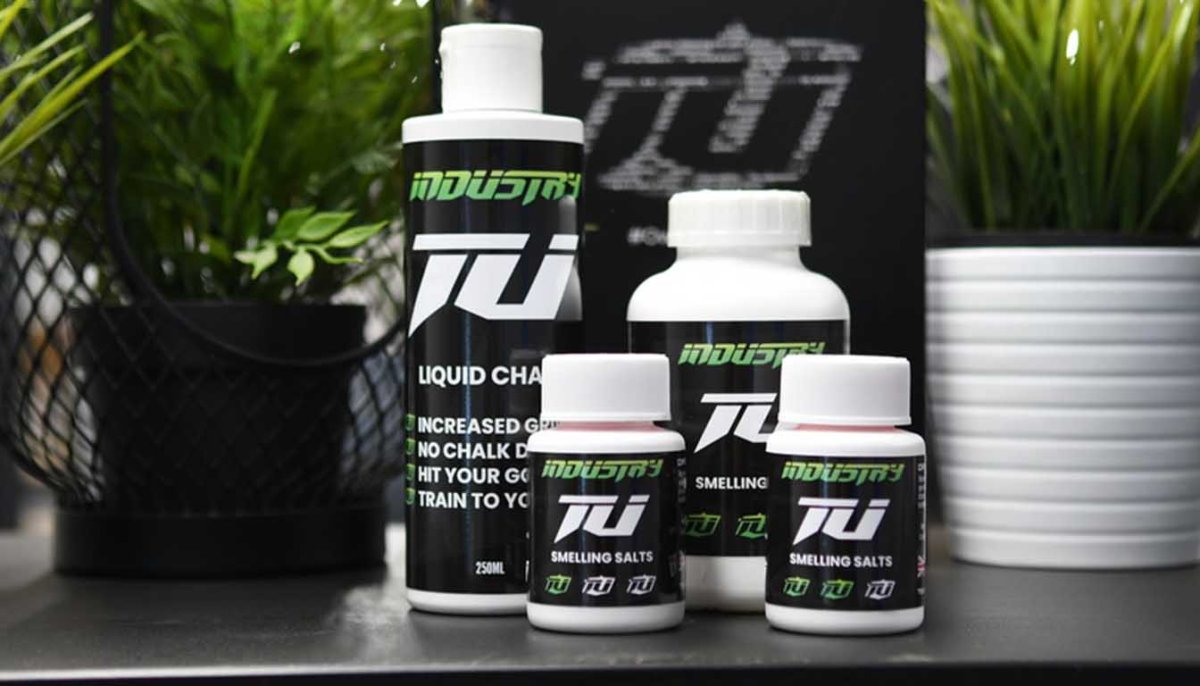
A dependable meet day requires equipment that performs consistently under pressure. Choose resilient, tightly sealed containers that survive transport in your gym bag without leaking active fumes onto your apparel. Team Industry supplies dedicated Smelling Salts formulated specifically for serious UK barbell athletes who demand reliable potency attempt after attempt. When integrated with disciplined technique and robust supportive equipment, smelling salts for powerlifting become a safe, controlled weapon for locking in total platform intent.
Master Your Platform Arousal with Purpose and Precision
Ammonia inhalants are powerful tools when used with intention. Treating smelling salts for powerlifting as a tactical neurological spark rather than a dramatic showpiece protects your nasal passages, sharpens acute focus, and ensures strict compliance with backstage federation rules. When you combine controlled sensory arousal with reliable technical execution, you set yourself up for repeatable success under maximum barbell loads.
Pairing mental clarity with robust physical support makes all the difference on platform day. As an athlete-owned brand offering fast national UK dispatch, Team Industry designs gear formulated for dedicated strength athletes and competitive powerlifters. Our salts integrate seamlessly with professional lifting belts and wraps to build a balanced, resilient competition kit. Equip your kit bag with competition-grade gear at the Team Industry store, trust your preparation, and step onto the platform with complete confidence.
Frequently Asked Questions
Are smelling salts legal in drug-tested powerlifting competitions?
Yes, ammonia inhalants are fully legal under WADA guidelines because ammonia isn't a prohibited substance. However, major powerlifting federations like the IPF and USAPL enforce strict platform etiquette rules. You must use smelling salts for powerlifting backstage or in the warm-up room out of public view. Using them on or near the platform will quickly result in official warnings or disqualification.
Do smelling salts physically make you stronger on the barbell?
No, smelling salts don't directly increase your muscular strength, motor unit recruitment, or mechanical power output. Research shows no mechanical performance enhancement from ammonia inhalation alone. Instead, the sudden chemical stimulus creates a sharp psychological surge and heightened alertness. That brief burst of adrenaline helps you overcome platform hesitation, sharpen your focus, and commit fully to heavy loads.
How far away should you hold smelling salts from your nose?
Always maintain a distance of roughly 10 to 15 centimetres (4 to 6 inches) between the open bottle and your nostrils. Never place the container opening directly against your nose or inhale aggressively inside the rim. Waft the rising vapours gently toward your face to trigger the natural respiratory reflex safely without risking irritation or chemical burns to your nasal membranes.
Can smelling salts cause long-term brain or lung damage?
There is no documented medical evidence showing that occasional, properly distanced use of smelling salts causes permanent neurological or pulmonary damage in healthy lifters. The primary danger stems from careless misuse or holding high-potency bottles too close, which can inflame sensitive nasal tissues. Athletes with pre-existing respiratory conditions like asthma should avoid using ammonia inhalants altogether to prevent severe airway irritation.
How often should powerlifters use smelling salts during training?
Strength athletes should restrict using smelling salts for powerlifting to genuine personal record attempts, mock meets, or final competition lifts. Sniffing ammonia across multiple weekly sessions desensitises your trigeminal nerve and dulls the involuntary reflex. Treat the stimulus as an occasional platform sharpener rather than a routine crutch. Relying on disciplined warm-ups and supportive gear ensures steady training progress without building tolerance.
Share:
The Ultimate Guide to stiff wrist wraps
How to Protect Your Hands When Lifting: A Practical Guide