
The thickest belt on the market isn't always the right tool for your next personal record, even if it provides the most support allowed under international rules. Many lifters find themselves asking if a 13mm lifting belt is too thick for their specific body type or if the extreme stiffness will actually hinder their performance during heavy deadlifts. While the 13mm specification is the maximum legal thickness for IPF competition as of 2026, selecting this gear requires more than a simple desire for maximum rigidity. It requires finding the right balance between effective intra-abdominal pressure and the mobility needed to hit your starting position without unnecessary bruising.
We recognize the frustration of investing in specialized equipment only to find it limits your range of motion or causes excessive discomfort during training. You need gear that acts as a reliable partner in your strength journey. This guide will help you determine if the 13mm thickness suits your lifting style or if a more versatile 10mm option offers the better investment for your goals. We'll examine the bracing mechanics of both sizes, clarify competition standards, and provide a clear recommendation for a professional-grade lever belt that ensures your safety and stability under the bar.
Key Takeaways
- Learn how the additional 3mm of leather creates a more rigid wall for bracing during your heaviest attempts.
- Determine if a 13mm lifting belt is too thick for your specific anatomy by using our rib-to-hip measurement guide.
- Compare the performance trade-offs between 10mm and 13mm options, including break-in times and mobility during deep movements.
- Review the latest 2026 federation standards to ensure your equipment meets all regulatory requirements for competitive powerlifting.
- Discover how a Team Industry 13mm Lever Belt can streamline your training and provide a secure, professional-grade fit.
What is a 13mm Lifting Belt and Who is it For?
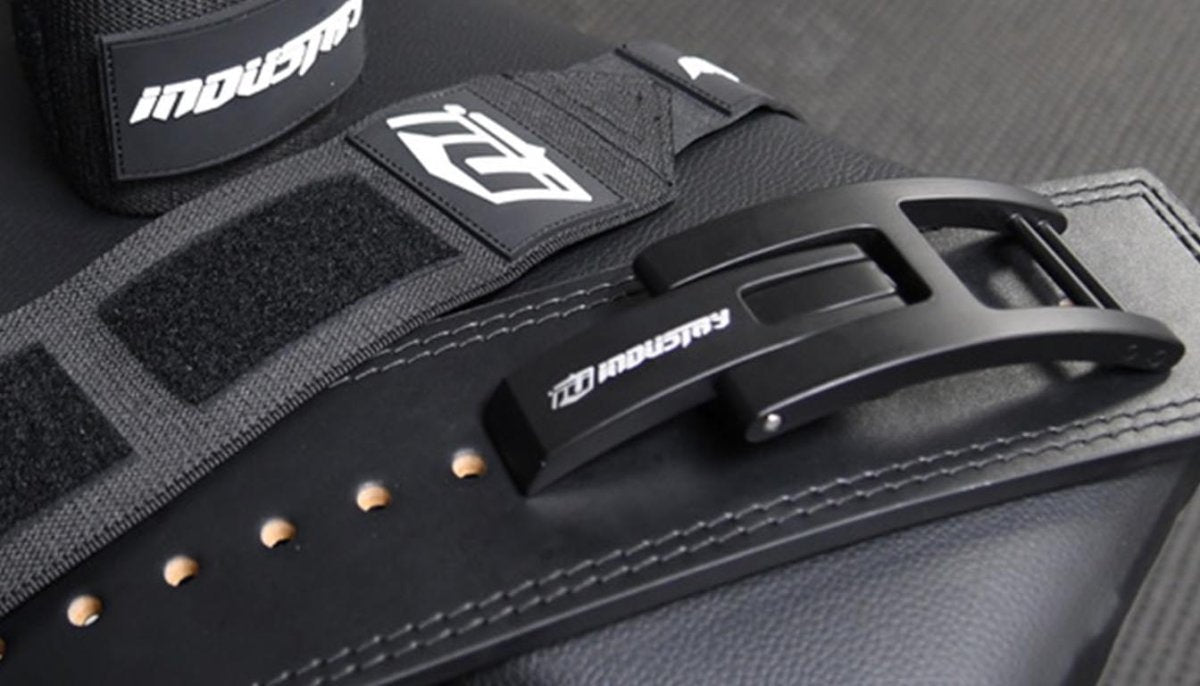
A 13mm lifting belt represents the upper limit of thickness allowed in sanctioned powerlifting. According to the 2026 IPF Technical Rulebook, this is the maximum legal thickness permitted for competition gear. While a standard 10mm belt is common for general strength training, the extra 3mm of leather creates a nearly immovable wall around your midsection. This added rigidity often leads lifters to ask, is a 13mm lifting belt too thick for their specific training style? For those moving maximal loads in the squat and deadlift, that extra material is a deliberate choice to ensure the highest level of stability possible.
To better understand the practical differences in thickness, watch this helpful comparison:
This thickness isn't suitable for everyone. Olympic weightlifters or CrossFit athletes rarely use 13mm belts because they restrict the torso mobility needed for dynamic movements like cleans or snatches. In those disciplines, the extreme stiffness would be a hindrance rather than a help. However, for powerlifters where the goal is to eliminate spinal flexion under immense load, the density of a 13mm belt is a clear advantage. It's a specialized tool for a specialized job.
The Physics of Intra-Abdominal Pressure
Understanding What is a Weightlifting Belt? requires looking at how it facilitates the Valsalva manoeuvre. When you breathe into your abdomen and brace, the belt must resist that outward expansion. A 13mm belt is denser and less prone to stretching than thinner versions. This increased resistance allows for higher intra-abdominal pressure. This internal pressure creates a pressurized column that supports the spine from the inside, which is vital when attempting weights that sit at the edge of your physical capacity.
When Maximum Thickness is Necessary
If you're a competitive powerlifter or a strength athlete focusing on 1-rep max attempts, this thickness becomes an essential part of your kit. It provides the most support permitted under the rules, ensuring you don't leave any performance on the table. Team Industry UK provides professional-grade gear designed to meet these exact standards. For heavy squats and deadlifts where stability is the absolute priority, the 13mm option offers a level of operational reliability that thinner belts simply can't match.
10mm vs. 13mm: Comparing Thickness and Performance
Choosing between 10mm and 13mm isn't about skill level; it's about the specific technical demands of your training. While the 10mm option is often ready for the platform within a few sessions, the 13mm version requires a dedicated break-in period and significant patience. For many lifters, the question of whether a 13mm lifting belt is too thick comes down to how much "digging" they can tolerate. The extra thickness increases the likelihood of the leather pinching at the hips or ribs during the bottom of a squat or when setting up for a pull.
A 10mm belt offers a calculated balance of support and mobility, making it a favorite for those who need to reach deep positions without restriction. In contrast, the 13mm belt functions as a pure support tool. It provides a rigid, unyielding surface that excels at maintaining maximum intra-abdominal pressure. When researching Weight-Lifting Belts, you'll find that the best choice depends on your specific lifts and anatomical proportions. Both options are available as Lever Belts, providing different levels of security depending on your bracing needs.
The Deadlift Positioning Trade-off
Elite lifters often switch to a 10mm belt specifically for the deadlift to allow for a better starting hip position. A 13mm belt can sometimes be so stiff that it physically pushes a lifter out of their optimal setup, especially for those with a shorter torso. This interference can result in the hips rising too early or difficulty maintaining a neutral spine as you reach for the bar. A 10mm belt allows for a more natural hinge while still providing the necessary feedback for a strong brace.
Stiffness and Longevity
Professional grade belts typically consist of multiple layers of high-density leather glued and stitched together. Belt density is the primary factor in how long a belt maintains its shape under 200kg+ loads. While a 13mm belt is more difficult to break in initially, it offers unparalleled longevity for those consistently moving extreme weights. If you're looking for gear that stands up to the grit of daily heavy sessions, explore the professional range at Team Industry.
Is a 13mm Belt Too Thick for Your Body Type?
Determining if a 13mm lifting belt is too thick for your frame requires a pragmatic look at your anatomy. Physical discomfort and bruising are common complaints; however, they often stem from a mismatch between the belt's dimensions and the lifter's torso. Lifters in lighter bodyweight categories frequently find that the 13mm density is too restrictive for proper breathing. When you lack the abdominal surface area to distribute the pressure, the belt can feel more like a restriction than a support tool.
To check your compatibility, perform a systematic rib-to-hip measurement. Stand upright and measure the distance from the top of your hip bone to the bottom of your rib cage. Since professional belts are typically 10cm (4 inches) wide, you need sufficient clearance to prevent the leather from jamming into your bones. If your measurement is less than 12.5cm, the added thickness of a 13mm belt will likely cause significant pinching during deep hip flexion.
Torso Length and Mobility
Lifters with shorter torsos often face the biggest challenge with maximum thickness gear. If you can't reach the bar for a deadlift without the belt hitting your thighs and ribs simultaneously, the 13mm density might be counterproductive. It's a common sign that the belt is either positioned too high or is simply too rigid for your current mobility levels. In these cases, a 10mm option provides the necessary support without compromising your starting position.
Managing the "Break-In" Bruising
Don't be discouraged by initial bruising. High-end leather is a natural material that needs time to mould to your specific shape. This period of friction is a sign of the belt's density and professional quality. As you use it, the leather will soften slightly while maintaining its structural integrity. For more insights on how your equipment needs change as you get stronger, consult our Strongman Training Gear UK guide. If you are ready to upgrade your support, browse our full range of Team Industry Lifting Belts to find your perfect fit.
How to Choose and Break In Your Professional Belt
Selecting the right equipment is a strategic decision that should align with your long-term strength goals. To determine if a 13mm lifting belt is too thick for your needs, start by evaluating your primary lifts and current strength levels. If you are training for a sanctioned meet, confirm your gear complies with the latest 2026 federation standards. For those moving maximal loads, a 13mm Lever Belt is often the preferred choice. It provides the necessary security for heavy bracing while allowing for quick transitions between sets.
Once you've made your choice, you must properly break in the leather. Unlike cheaper alternatives, professional-grade leather is incredibly stiff out of the box. Avoid the common mistake of simply waiting for it to soften through use. Instead, use the "rolling" technique. Tightly roll the belt in both directions several times a day. This process softens the outer leather fibers without damaging the internal core, making the belt more pliable and reducing the risk of severe bruising during your first few sessions. If you're unsure about the feel, visiting a walk-in location like Team Industry UK allows you to test the density before committing to a purchase.
The Lever vs. Prong Debate
While prong belts offer adjustability for lifters whose weight fluctuates, most 13mm users prefer a lever mechanism. Pulling a prong through 13mm of high-density leather can be physically demanding and inconsistent. A lever ensures you hit the exact same level of intra-abdominal pressure on every single rep. You can explore the various options in our weight lifting belts collection to see which fastening system suits your training style.
Maintenance for Lifetime Gear
High-quality leather is an investment in your safety and performance. Keep the leather clean by wiping it down after heavy sessions and ensure the lever mechanism remains free of grit. A well-maintained 13mm belt should be a one-time purchase for a lifter’s entire career. By following these practical steps, you ensure your gear remains a reliable partner in the gym for years to come.
Secure Your Next Strength Milestone
Determining whether is a 13mm lifting belt too thick for your training depends on your competitive goals and your unique physical proportions. While the 13mm specification offers the highest level of intra-abdominal pressure permitted under 2026 IPF standards, success requires a pragmatic approach to the break-in process. A 10mm belt remains a highly effective, versatile option for many lifters, whereas the 13mm version is a specialized tool for those pushing the absolute limits of their capacity.
Our professional-grade gear is designed for the grit of the UK strength community. We offer both 13mm and 10mm options, each featuring heavy-duty lever mechanisms tested by athletes to ensure maximum security under load. These belts provide the stability required for heavy squats and deadlifts while maintaining the durability needed for years of intense training.
Upgrade your bracing with a professional Team Industry Lever Belt and train with the confidence that your gear will hold up as the weight increases. Your commitment to excellence deserves equipment that matches your effort. Stay focused and keep moving toward your next personal record.
Frequently Asked Questions
Is a 13mm belt better than a 10mm belt for squats?
A 13mm belt is generally better for squats if your goal is absolute rigidity and maximum intra-abdominal pressure. It creates a stiffer surface for bracing, which is beneficial when handling near-maximal loads. If you are still debating if a 13mm lifting belt is too thick for your needs, consider your comfort at the bottom of the movement. A Team Industry 13mm Lever Belt provides the stability required for heavy attempts without compromising your technique.
Can I use a 13mm belt for every workout?
You can use it for every session, but it's more practical to reserve it for your heaviest sets. Constant use during warm-ups or accessory movements can lead to unnecessary bruising and may restrict the natural movement needed for lighter exercises. Focus on using your Team Industry Lifting Belt during top sets where the risk to spinal stability is highest and maximum bracing is required for safety.
How much does a 13mm belt actually increase your lift?
A 13mm belt doesn't add a specific weight to your total, but it maximizes your bracing efficiency. By creating a more rigid external wall, it allows you to generate higher intra-abdominal pressure than thinner alternatives. This increased internal tension helps stabilize the spine, often allowing lifters to handle heavier loads with greater confidence and a reduced risk of technical breakdown during maximal 1-rep attempts.
Is a 13mm lever belt harder to break in than a prong belt?
The break-in difficulty is a result of the leather's density rather than the fastening mechanism. A 13mm belt is constructed from thicker, higher-density leather layers that require more manual manipulation to become pliable. While a prong belt might seem easier to adjust, a lever belt provides the consistent tightness necessary for professional-grade support. Patience during the initial weeks is essential for ensuring the leather eventually moulds to your torso.
Are 13mm belts legal in all powerlifting federations?
Yes, 13mm is the maximum legal thickness for most international federations, including the International Powerlifting Federation (IPF). According to the 2026 IPF Technical Rulebook, a belt must not exceed 13mm in thickness or 10cm in width. Always verify that your specific belt brand is on the federation's approved list before entering a sanctioned competition to ensure full compliance with current regulatory and safety standards.
Share:
How to Train Your Chest and Increase Your Bench Press
7mm vs 5mm Knee Sleeves for Squats: The Ultimate Strength Athlete’s Comparison