
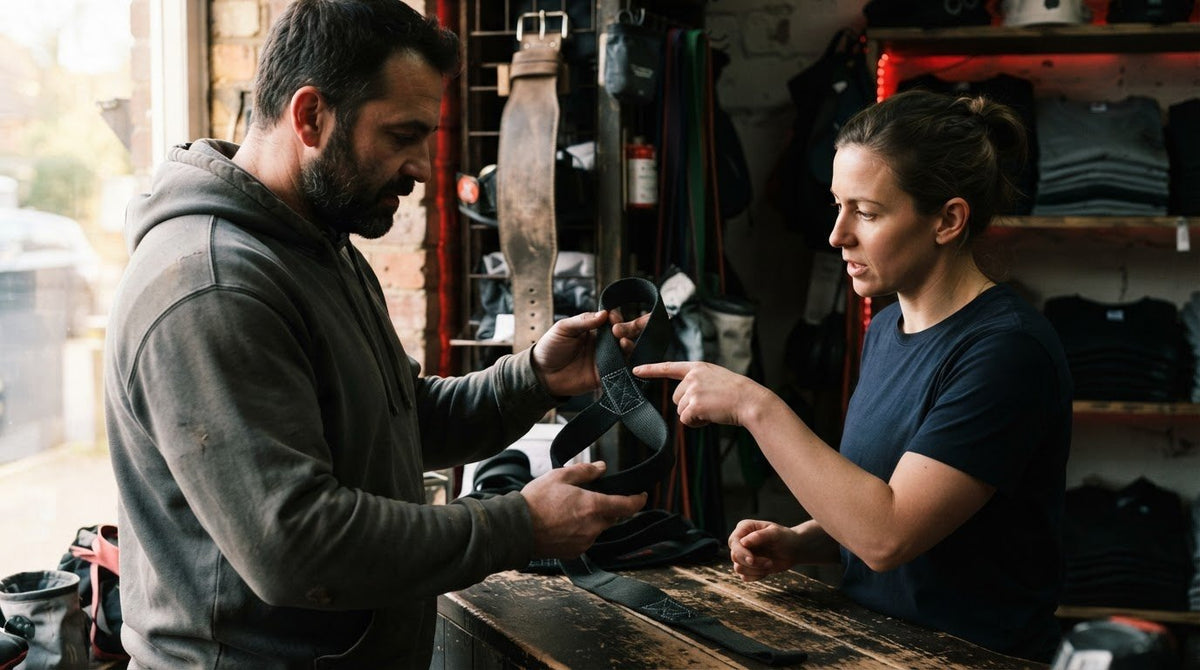
Choosing where to buy lifting gear in the UK starts with identifying the range you need and deciding whether to shop online or try products in person. Specialist strength-training retailers offer both options, letting you compare products online or view them at a physical shop.
It’s sensible to look beyond the product itself. Delivery arrangements, collection options and lead times can all affect how quickly your equipment is ready for training, especially when you’re buying for a specific session or setup.
This guide covers what to consider when choosing a supplier, how delivery works and how lead times can vary. It also explains when a specialist strength-training shop can help you see gear in person and choose products for your training.
Key Takeaways
- Compare specialist suppliers by the type of lifting equipment they stock and whether you need delivery or in-person collection.
- Before buying equipment used to lift loads, look for clear markings showing its maximum load-bearing capacity, as required under LOLER.
- Account for inspection needs when planning equipment use: the Health and Safety Executive says lifting equipment for people should be inspected every six months.
- Allow delivery and collection arrangements to shape your purchasing timeline, and choose a local shop if seeing items in person matters to you.
UK lifting gear supplier
If you’re deciding where to buy lifting gear in the UK, distinguish industrial load-handling equipment from strength-training accessories. A chain hoist for raising loads requires a different selection process from gym straps. Match each product to its purpose, required capacity and working environment before comparing suppliers.
For online orders, compare product information, delivery arrangements and lead times with your schedule. Urgent work may call for a faster delivery option, while a bespoke specification can take longer to arrange. A supplier you can speak to in person may help you discuss site conditions and assess equipment before buying.
Online and Local Buying Options
Online catalogues make it practical to compare manual and electric equipment, product descriptions and stated capacities. Check the listing against your task, then review delivery or collection details. A local UK supplier can be useful when height, access or the lifting arrangement affects your selection. Share those details so the equipment choice reflects the working setup.
Consider the whole process, from purchase to use. A chain hoist ordered online still needs to suit the load and the site where it will operate. If you need to discuss those conditions, buying in person offers a chance to talk through the setup. Either way, compare the stated specification with the actual task.
Cost, Quality and Product Safety
Costs vary by equipment type, capacity, operating method and bespoke requirements. Compare equivalent specifications, not a manual chain hoist with an electric system. To reduce the risk of counterfeit or unsafe products, buy from an identifiable supplier and check the product’s markings and documentation. Avoid equipment with unclear capacity information or missing identification.
LOLER requires visible markings showing maximum load-bearing capacity. Match the marking to the intended load and lifting arrangement; a product title alone is not enough. Keep the manual with the equipment and follow it for operating instructions.
Before first use, check the item’s identity and capacity markings, inspect its components for damage or deformation, and compare it with the manual. Don’t use equipment with unreadable markings, missing parts or visible damage. These checks can flag problems before the equipment enters service.
Inspection planning also matters. The Health and Safety Executive says equipment used to lift people should be inspected every six months. Other general lifting tools require annual checks. For height safety equipment, include the relevant items in the site’s inspection arrangements.
Knowing where to buy lifting gear in the UK is only part of the decision. Choose a purchasing route that fits the equipment specification, delivery needs and whether you need to assess the product in person.
How much does lifting gear cost in the UK?
There is no single useful price for every type of lifting gear. A scissor lift table, chain hoist and set of training straps serve different purposes, so compare products within the same category. Start with the task, required capacity and operating conditions. Then compare products that meet those requirements instead of choosing on price alone.
For a concrete UK market example, scissor lift tables typically cost between £403 and £423, with a median of about £415. This band comes from five price samples across four sources, collected on 2 November 2026, and is valid until 2 December 2026. It applies to scissor lift tables only, not lifting gear as a whole or gym accessories.
For other equipment, price depends on its design and intended use. A manual lifting aid and an electric system work differently. Capacity, construction and bespoke requirements can also affect the specification and cost. Compare like with like: check the equipment type, rated capacity, included components and intended purpose before assessing quotes.
Make a realistic comparison by listing your requirements first. Include the equipment, the lifting arrangement it must work with and any necessary accessories. A system selected for a particular load, for example, may need a different capacity from one used for lighter work. Changes to the specification can make similar-looking products poor price comparisons.
How to compare quotes
Use a checklist for each quote: product type, capacity, manual or electric operation, stated components and delivery terms. Note any bespoke specification separately, then compare the same requirements across options. If a quote excludes a required component, its headline figure won’t reflect the full cost of the equipment needed.
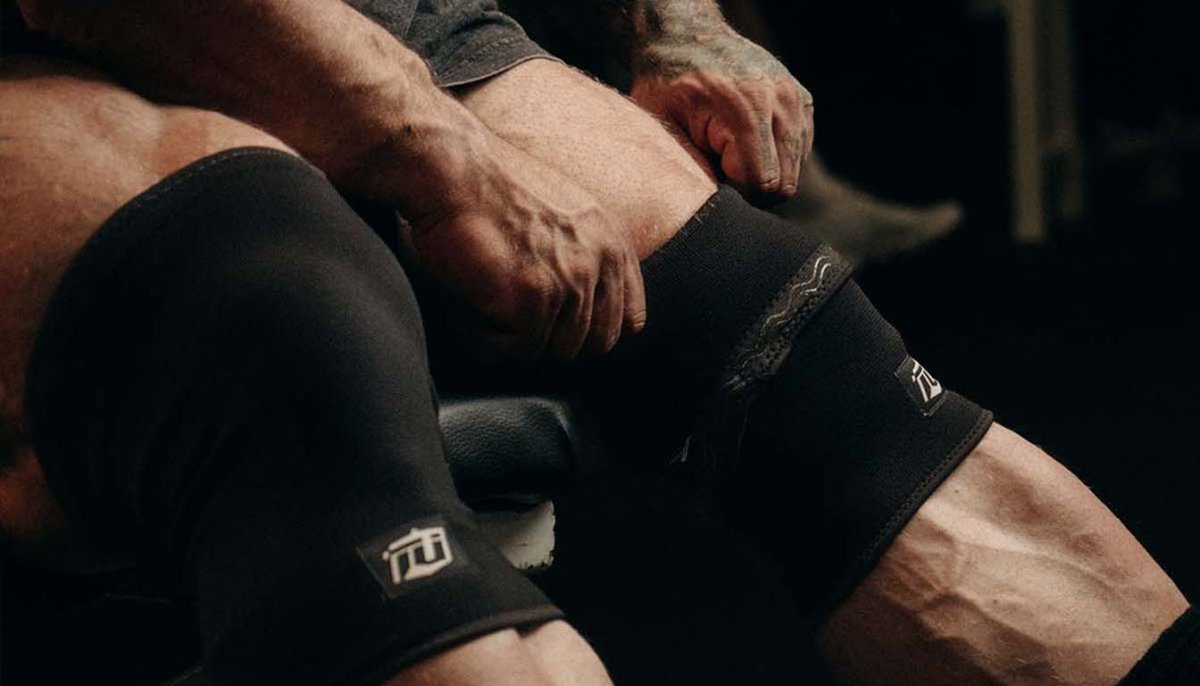
For strength training, keep gym accessories separate from industrial lifting equipment in your budget. Belts, straps and knee wraps are not substitutes for load-handling machinery, and prices should be compared within their own product categories. Browse a strength-training equipment range when you’re budgeting for gym gear rather than site lifting equipment.
Finally, weigh the cost against suitability. A lower-priced item isn’t a saving if its capacity or operation doesn’t match the job. Use your requirements to narrow the options, compare equivalent specifications and factor delivery terms into your decision.
Is it better to buy lifting gear online or from a local UK supplier?
Choose how to buy based on the equipment, your deadline and the guidance you need. Online ordering can suit a clearly specified replacement part, while an in-person discussion may help with a particular lifting setup. Selecting a chain hoist for a fixed task, for example, requires different checks from buying gym accessories.
When online buying works well
Online catalogues let you compare descriptions and specifications at your own pace. Filter by equipment type and required capacity, then read the manual or technical information before ordering. Check delivery arrangements, dispatch availability and whether the stated lead time fits your schedule. A quick checkout doesn’t mean the item will arrive quickly.
Online buying works best when you know the product’s purpose and specification. Replacing an item with the same type and capacity, for example, makes a listing easier to assess. Keep the product details with your purchase records. If the description doesn’t match what you need, pause and compare another suitable option rather than guessing.
When a local supplier is useful
A local UK supplier can be useful when the choice depends on your site or lifting arrangement. Bring the load details, operating conditions and space constraints to the discussion. For a system used at height, explain the setup and access needs. Those details help narrow selection and identify whether manual or electric operation suits the task.
Collection may suit buyers arranging their own transport or wanting to receive equipment directly. Before setting off, follow the supplier’s stated process to confirm collection arrangements and readiness. For a bulky lift table, transport and unloading can matter as much as distance. Include these practical steps in your schedule.
Use this checklist for either route:
- Match the equipment type to its intended purpose.
- Compare capacity and specifications, not just product names.
- Review the manual, markings and supplied documentation.
- Include delivery, collection and site access in your plan.
- Keep order details so the received item can be matched to the purchase.
Online and local purchasing aren’t competing answers for every job. Use online ordering for a defined specification and convenient delivery; choose a local conversation when site details or product selection need discussion. For gym-focused purchases rather than industrial lifting machinery, browse strength-training gear and compare items by their training purpose.
Team Industry: Industry Oversized Tee
Team Industry offers the Industry Oversized Tee for training and everyday gym wear, rather than industrial load-handling. If your search is for strength-training kit, browse the men’s apparel range alongside the Team Industry Lifting Belt. These serve different needs: clothing is for gym wear, while a lifting belt is a training accessory.
Choose gear that fits your routine. The oversized tee is gym clothing, while the Team Industry Lifting Belt is a strength-training accessory, not a chain hoist or other industrial lifting equipment.
Explore Team Industry’s range online or get in touch with the team.
Plan your next purchase around its purpose
Before ordering, note who will use the equipment, the task it must support and how it fits your routine. This gives your decision a clear starting point and keeps different needs separate. Industrial load-handling equipment and gym apparel serve distinct purposes, so choose the category that fits the job.
If you’re still deciding where to buy lifting gear in the UK, let the intended use guide your next step. Team Industry offers the Team Industry Stringer and Industry Performance Leggings, as well as its Industry Oversized Tee. These are gym training apparel, not substitutes for industrial lifting equipment.
Take time to choose equipment that fits the work or training ahead. For questions about Team Industry’s apparel range, contact Team Industry. Make your next choice with purpose and move forward with confidence.
Frequently Asked Questions
Where can I buy lifting gear in the UK?
Buy industrial lifting equipment from a supplier specialising in load-handling machinery, or choose a strength-training retailer for gym accessories. Team Industry sells strength-training gear online and through its walk-in shop, including weight lifting straps. Start with the right retailer category: gym straps and belts cannot replace industrial hoists or load-rated lifting equipment.
Share:
Grip training to avoid bicep tears: choosing a deadlift grip
Gym Stringers for Lifting: Compare Fit, Fabric and Sizing