
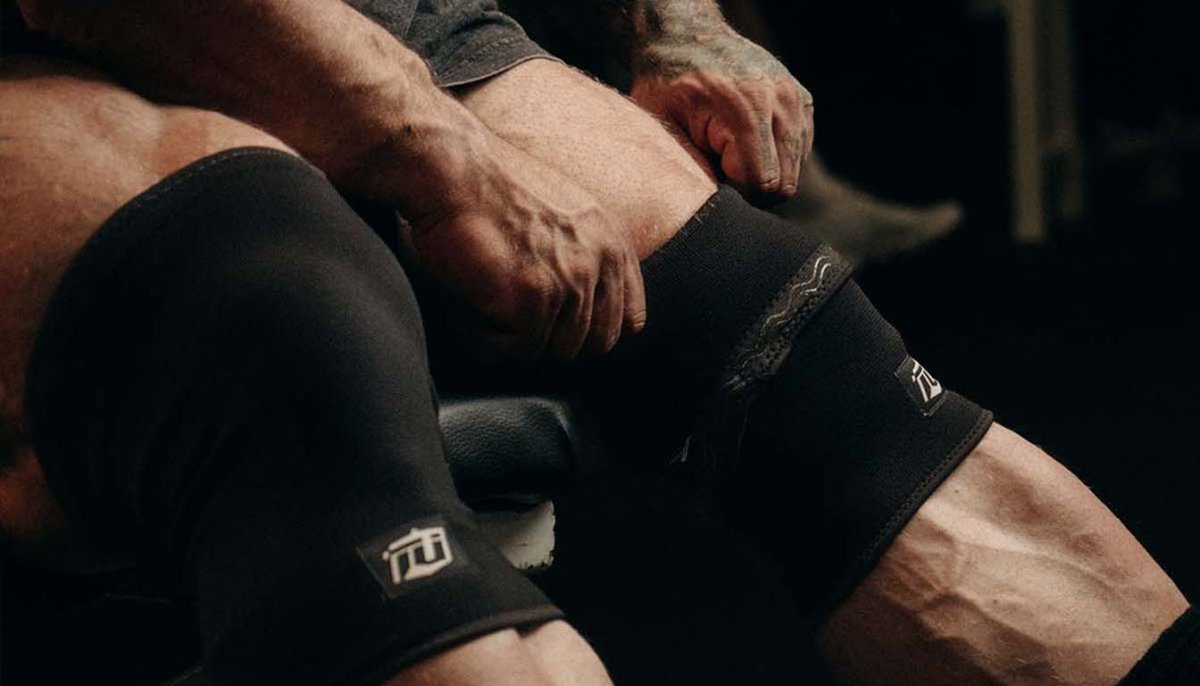
The thickest sleeve isn’t automatically the best choice. Knee sleeves commonly come in 3 mm, 5 mm and 7 mm thicknesses; thicker options provide more compression but less mobility. To decide what the best knee sleeves for lifting are for you, match the thickness to your training and the feel you want under the bar.
If you’re weighing extra support against freedom of movement, that’s the right distinction to focus on. Knee sleeves compress the area around the knee to help keep it warm during a workout, and may add comfort during lifts such as squats. They aren’t a substitute for medical advice about a possible injury.
This guide compares sleeve thickness, materials, fit and grip for powerlifting, bodybuilding and general weight training. You’ll learn how to choose support for your sessions, what to look for in the fit, and why a sleeve that feels secure should still let you move comfortably.
Key Takeaways
- Match sleeve support to your training style and the movement you need, rather than choosing by thickness alone.
- Use fit as a practical test: a sleeve should stay in place without restricting comfortable movement.
- Compare materials and grip details to find a sleeve that feels secure throughout your session.
- Build your equipment choices around the lift: knee sleeves and a lifting belt serve different roles.
What Are Knee Sleeves?
Knee sleeves are close-fitting supports worn around the knee during training. Their thickness affects compression and mobility, so the right choice depends on your lifts and preferred feel. What are the best knee sleeves for lifting? Start by matching the sleeve to your training, rather than choosing the thickest option by default.
Thickness and Mobility
The common thicknesses are 3 mm, 5 mm and 7 mm. A 3 mm sleeve offers less compression and more freedom to move; 7 mm feels firmer but can restrict mobility more. A 5 mm option sits between them. Compare each during squats and other movements that require knee bend, and consider how the sleeve feels through your full range of motion.
Compression and Knee Support
Compression keeps the sleeve close around the knee, helping keep the area warm during a workout. Some lifters value the feeling of stability during squats, particularly near the bottom position, when the knee bends deeply. A sleeve supports the area around the kneecap, but it doesn’t diagnose or treat an injury. If you suspect an injury, seek medical advice rather than relying on compression alone.
Fit and Sizing
A sleeve should stay in position without making movement uncomfortable. Sizing methods vary: some brands ask you to measure 4 or 5 inches above the kneecap. Follow the specific brand’s measurement instructions, then assess whether the sleeve stays secure as you bend your knee. If compression causes tingling, numbness, blue skin on the foot or increasing pain, remove it; the NHS gives this advice for a knee compression bandage.
| Thickness | Compression | Mobility |
|---|---|---|
| 3 mm | Lighter | Greater freedom |
| 5 mm | Mid-range feel | Balanced |
| 7 mm | Firmer | More restricted |
What are the best knee sleeves for lifting on a budget or at a premium? Compare each brand’s stated materials, construction, fit guidance and thickness. Price alone won’t tell you how a sleeve feels under load. Choose according to the support and mobility you need, and follow the maker’s sizing instructions.
Support for powerlifting and bodybuilding
Squats repeatedly bend the knee under load, so sleeve support may matter during powerlifting and bodybuilding sessions. Focus on stability, comfort and a thickness that suits your training.
Joint Stability and Knee Support
A sleeve compresses the area around the knee and can help stabilise it during movements such as squats. Lifters may also find it reduces discomfort in the bottom position, where the knee is deeply bent. That support differs from a brace or treatment for an injury: a sleeve is training equipment, not a substitute for medical advice about knee pain.
Warmth and Blood Flow
Knee sleeves help keep the area around the knee warm during a workout. A warm feeling may be comfortable during exercise, but it does not by itself show that a sleeve improves blood flow or speeds recovery. Don’t rely on warmth to manage swelling or an injury. Take persistent symptoms seriously and seek appropriate medical advice.
Thickness and Support
Powerlifters and bodybuilders often prefer 7 mm sleeves for extra stability. The thicker material gives a more compressed, secure feel than lighter options, which can suit heavy squat work. It also allows less mobility, so consider how the sleeve feels through your full range of motion. Choose support that helps you train comfortably, not simply the thickest option available.
Performance and Injury Prevention
Knee sleeves can support comfort and stability during lifting, including squats, but they don’t guarantee better performance or prevent knee injuries. Some lifters use them as a precaution during frequent training, but a sleeve cannot replace sound technique and load management. Build strength and control through your training, and don’t use a sleeve to push through pain or replace advice about a possible injury.
Element 26 Knee Sleeves have a thickness of 6 mm, offering an option to compare with the 7 mm preference described above. Thickness can help guide a choice, but fit and comfort through a squat remain important considerations; a sleeve should not limit the movement needed for training.
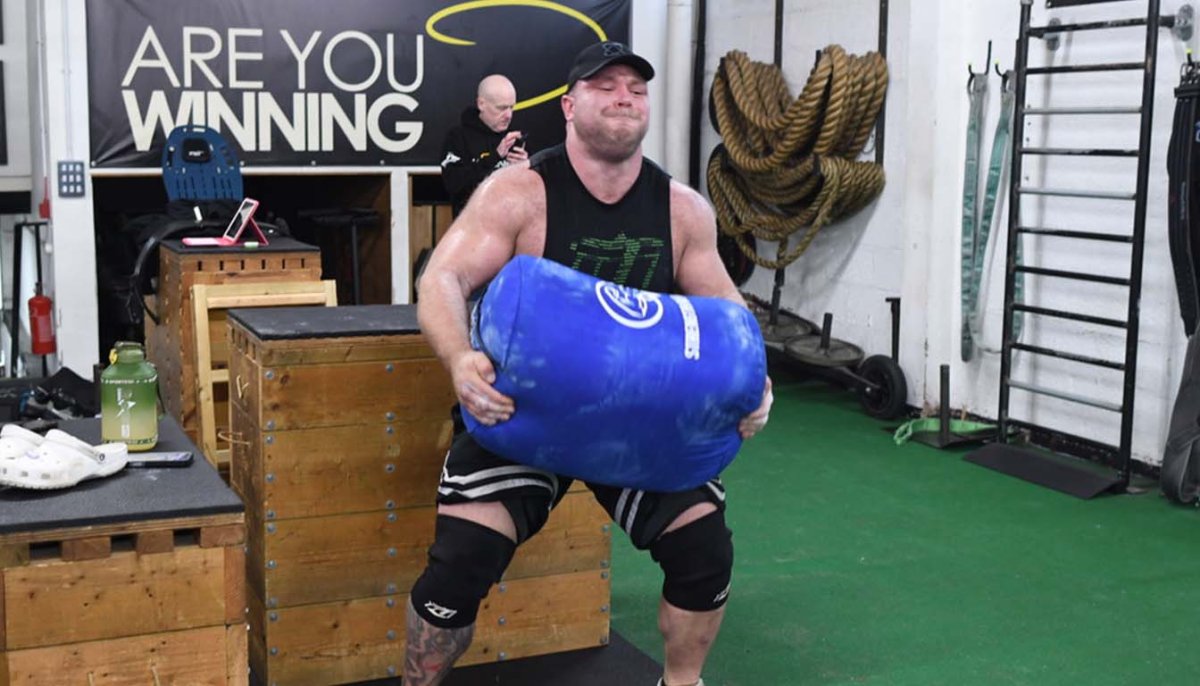
During squats, knee sleeves may help the knee feel more stable and comfortable in the bottom position. Treat this as support for the movement, not a reason to ignore pain or rely on a sleeve instead of appropriate advice.
Sleeve materials and non-slip features
Material, stitching and grip all affect how a sleeve feels during repeated training. Compare construction and fit, not just the label or appearance.
Materials and Stitching
Neoprene sleeves are one option; check the product description for the material and construction. Material affects how the sleeve feels against your skin, while stitching joins the panels and edges that move during squats. Look for loose threads, uneven seams or areas that could rub. If you train regularly, consider whether the sleeve stays comfortable throughout a full session.
A sleeve’s strength and durability depend on how it is made and used, so don’t assume that a thicker-looking seam means it will last longer. Follow the care label after training and let the sleeve dry as directed before storing it. This helps prevent sweat and dampness from lingering between workouts.
Fit and Non-Slip Features
A secure fit helps a sleeve stay in place as your knee bends and straightens. Try a movement you train, such as a bodyweight squat, and notice whether the sleeve shifts, rolls or feels uncomfortable behind the knee. A sleeve that slips can distract you during a set; one that feels restrictive can make movement uncomfortable.
Some designs have grip features inside the sleeve to reduce slipping. Check where they sit, then see whether they feel comfortable against your leg when your knee is bent. Grip should help keep the sleeve in position, not pinch your skin or create pressure points. If the sleeve moves during a squat, reassess its size and placement.
For a practical comparison, assess each sleeve the same way: read its material details, inspect the stitching, put it on as directed, then perform a controlled squat. Notice whether the fabric feels comfortable, the seams sit smoothly and the sleeve stays in place. These checks help distinguish a secure training fit from one that looks suitable but shifts or rubs during movement.
Knee sleeves for powerlifting and general weight lifting
The right sleeve depends on your activity, preferred range of movement and desired support during training. Thickness is a useful starting point, but your session and experience matter too.
Powerlifting Sleeves
Powerlifters often choose 7 mm sleeves for extra stability during heavy squats. The same thickness is also common among bodybuilders seeking support through repeated squat sets. It provides a firmer feel than lighter sleeves, while allowing less mobility. For a beginner, spending time lifting without sleeves can help build knee tendon and positional strength before adding equipment.
General Weightlifting Sleeves
For general gym-based weight training, 3 mm sleeves are often preferred for their lighter feel. Cross-training participants often choose 5 mm, a middle option when sessions combine different movements. Intermediate lifters can put sleeves on once a session reaches a weight that feels suitably heavy. Match the choice to the activity, rather than wearing the same thickness for every set.
Bodybuilding and CrossFit Sleeves
For powerlifting or bodybuilding, 7 mm is a common choice when extra stability is the priority; CrossFit participants often choose 5 mm. In UK weightlifting, sleeves are commonly worn for the clean and jerk in competition, while some lifters wear them for the snatch. Sleeves are also used for front, back and overhead squats. Choose according to the movement and the mobility it requires.
There isn’t one best sleeve for every UK lifter. Beginners can develop movement and positional strength without sleeves; experienced lifters may reserve them for heavier work. For general weight training, consider 3 mm; for cross-training, consider 5 mm; and for extra support during powerlifting or bodybuilding, consider 7 mm.
Choose knee support that suits your training demands, and compare knee support options for your lifting sessions.
Team Industry: Team Industry Lifting Belt
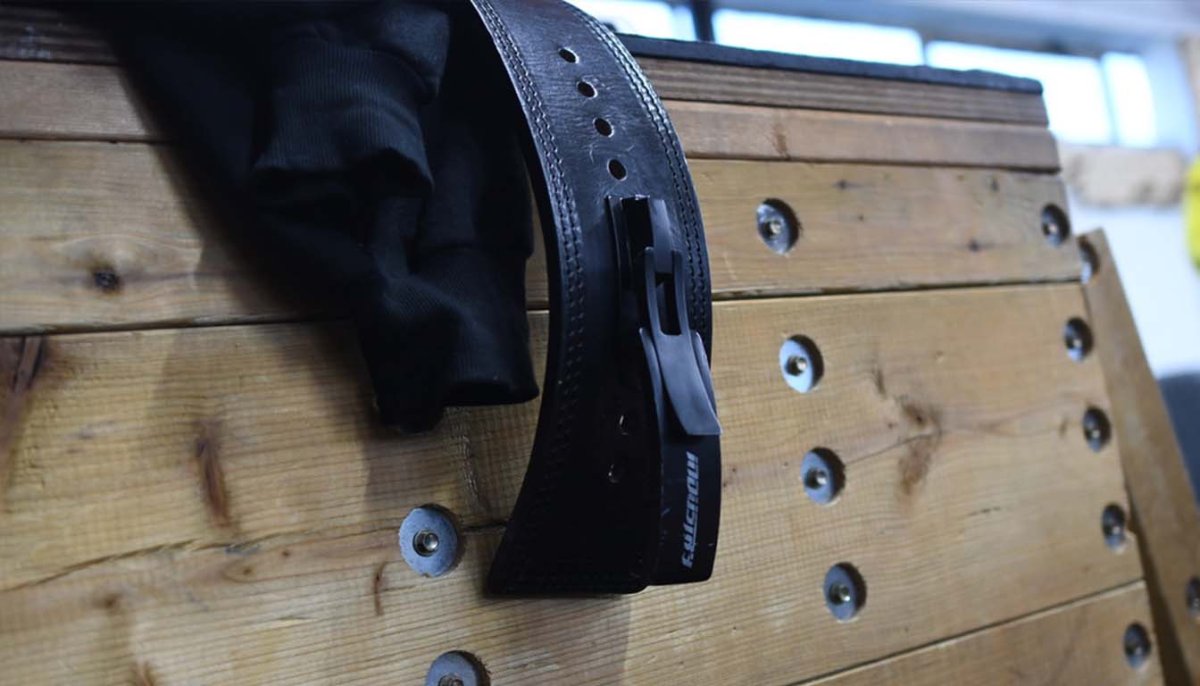
Knee sleeves support the knee area, while a lifting belt is a separate piece of equipment for your strength-training setup. Consider the Team Industry Lifting Belt when you want to add a belt to your kit for lifting sessions. It complements your equipment choices, but it doesn’t replace knee sleeves or their role around the knee.
Choose equipment according to the lift and the support you’re looking for. If you’re deciding whether a lifting belt belongs in your training setup, contact Team Industry to discuss your requirements.
Build a training setup that works for you
Your equipment should support the way you train, not dictate how you move. As your lifts and sessions change, review what feels useful and what stays unused in your kit. If you’re still deciding what the best knee sleeves for lifting are, choose according to your training and look for a fit that feels secure and comfortable.
Team Industry also offers training apparel, including the Industry Oversized Tee, Team Industry Stringer and Industry Performance Leggings. These pieces can complete your gym kit alongside lifting equipment.
If you’d like help with your next step, contact Team Industry. Choose the equipment and apparel that fit your routine, then keep building your training setup with confidence.
Frequently Asked Questions
How do knee sleeves compare by thickness: 3 mm, 5 mm and 7 mm?
Choose 3 mm for a lighter feel, 5 mm for a middle-ground option, or 7 mm for firmer compression. These thicknesses aren’t a ranking of quality. For example, consider whether a sleeve stays comfortable during the complete movement you train, including the bottom of a squat. Check the product’s sizing guidance too, since thickness alone won’t determine how secure or comfortable its fit feels.
What knee sleeve size should I buy, and how do I measure for the right fit?
Use the sizing chart for the sleeve you’re buying, because measurement points can differ between brands. Measure where the chart directs, keeping the tape level and loose enough not to pull tight. Repeat on both legs. If your measurements differ, follow the brand’s instructions to choose a size. Once the sleeve is on, bend and straighten your knee; it should stay in place without causing discomfort.
Which knee sleeves are approved for competition by IPF or other powerlifting federations?
There isn’t one sleeve recommendation that applies to every federation and competition. For a specific meet, check the relevant federation’s current equipment rules to see what’s permitted. Don’t assume a sleeve is approved because it’s marketed for powerlifting or has a particular thickness. If the rules leave your choice unclear, ask the meet organiser before competing.
Share:
Lever Belts vs Prong Belts: Compare Adjustments Between Lifts
Lever Belts vs Prong Belts: Compare Adjustments Between Lifts