

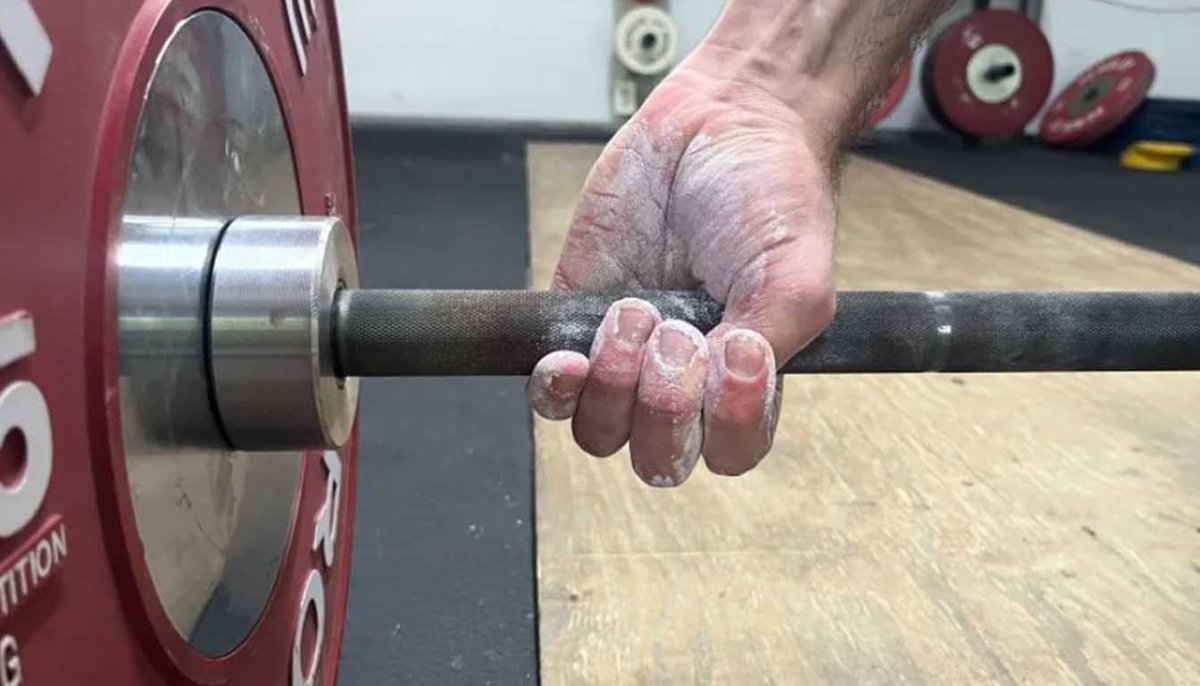
More grip gear isn’t always the answer to sore hands. If calluses catch on a bar or your palms ache during repeated sets, learning how to protect your hands when lifting starts with how you hold the bar, not just what you wear.
Hand discomfort can interrupt training, and it isn’t always clear whether chalk, gloves or straps will help. Each has a different purpose: chalk can help manage moisture and support grip, gloves add a layer between your hands and the equipment, and straps can assist with grip demands on selected pulling exercises. None replaces good technique or sensible hand care.
This guide covers practical grip habits that can help limit skin irritation, ways to care for calluses without removing them entirely, and how to choose an aid for your session. You’ll also find a simple after-session check and guidance on when it’s sensible to pause and seek appropriate medical advice. The aim is to help you make informed choices and respond calmly when your hands need attention.
Key Takeaways
- Learn how to protect your hands when lifting with a simple routine for checking your grip and skin before, during and after training.
- Adjust how you hold the bar to limit unnecessary skin bunching while keeping your grip secure and suited to the exercise.
- Compare gloves, chalk and straps by their purpose, rather than expecting any one aid to prevent every hand problem.
- Check for irritation after training and care for calluses gently to avoid aggravating damaged skin.
How to Protect Your Hands When Lifting: Start With Grip and Skin
Some hand discomfort can happen during lifting, but it’s not something to ignore or simply train through. To learn how to protect your hands when lifting, notice where pressure builds and whether your grip makes the skin fold against the bar.
Calluses are areas of thickened skin that can develop where repeated friction occurs. They may help shield the skin, but raised or rough edges can catch on a bar and tear. Manageable calluses are smooth and pain-free; painful, cracked or open skin needs attention.
For a quick visual overview of beginner grip tips, watch this video:
Why lifting can create calluses and skin tears
If your hand position shifts between repetitions, skin can bunch beneath the bar. Repeated pressure and movement over that fold may irritate the area or contribute to a tear. The pressure point varies: a deadlift grip, a dumbbell hold and a hook grip each load the hand differently. Aim for a secure, consistent hold suited to the lift, rather than forcing one grip for every exercise.
When hand discomfort needs more than a grip adjustment
Mild rubbing may ease when you adjust your hand position or reduce the aggravating work. Open skin, bleeding, significant pain or worsening symptoms need more attention than a grip change. Stop the activity that aggravates the area if the skin is open or pain changes how you move. Seek appropriate medical advice for persistent, severe or concerning symptoms.
How to Protect Your Hands When Lifting With Better Technique
A repeatable setup can help reduce unnecessary rubbing without requiring the same grip for every movement. Use this short routine to check your hands before, during and after your working sets.
- Before: Check that your hands and the bar are clean and dry. Set your hands deliberately, adapting their position to the lift and your comfortable range of motion.
- During: Keep a secure, consistent hold. If skin pinches or friction becomes distracting, pause safely and reassess your grip or reduce the load rather than forcing the set.
- After: Look for new hot spots, tenderness or skin damage. If the same area keeps catching, review your setup and how your hand contacts the equipment.
Set your hands without trapping skin
Skin bunched beneath a bar can rub with each repetition. Take a moment to place your hands carefully, then use a position you can repeat comfortably for that lift. Hand placement differs between movements and lifters, so there isn’t one correct position for everyone. Consistent bar contact can reduce unnecessary hand movement.
Manage friction during training
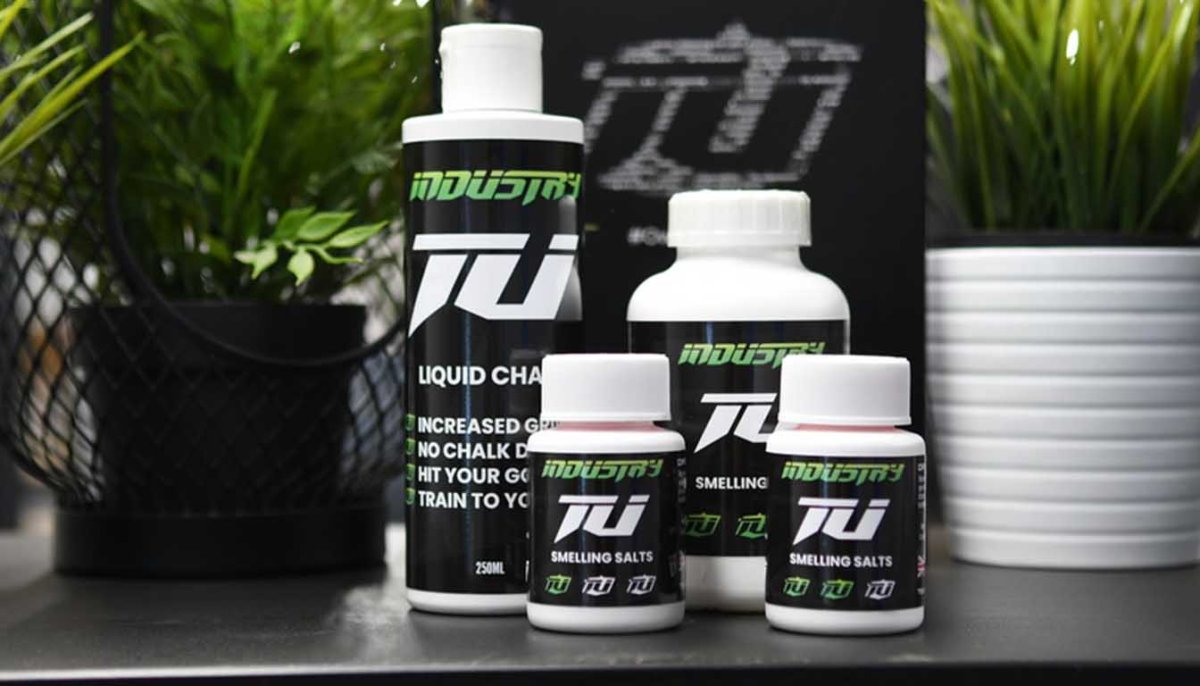
Start with clean, dry hands. Chalk can help manage moisture and support grip, but it won’t correct a pinching setup or protect damaged skin. If your hands repeatedly catch or tear, review your technique and the points where your skin meets the equipment. Liquid chalk is one grip aid to consider.
For more detail on chalk use, see the liquid chalk guide. You can also explore hand strengthening exercises as a separate part of your training routine. Use them as general information, and seek qualified advice if you have pain or an injury.
Gloves, Chalk or Straps: Which Lifting Aid Suits Your Hands?
Choose an aid for the problem you’re trying to solve. Gloves, chalk and straps have different functions, and none guarantees protection from calluses, tears or pain. Use them alongside sound technique, not instead of it.
| Aid | Main purpose | Limitations |
|---|---|---|
| Gloves | Add a layer between your hands and the equipment; some lifters prefer the feel. | Fit and padding can change how the bar feels in your hands. They may not prevent rubbing or skin damage. |
| Chalk | Helps manage moisture and support grip. | It won’t fix poor hand placement or protect an existing tear. |
| Straps | Help with grip demands on selected pulling exercises when your hands limit the work. | They reduce reliance on your grip for that lift, so they’re not a substitute for technique or grip training. |
When chalk or gloves may be useful
If sweaty hands affect your hold, chalk may help you maintain grip without adding a padded layer. Liquid chalk is one option. Gloves are a personal choice: check that they fit securely and don’t bunch, pinch or make the bar harder to feel. Neither option guarantees that you’ll avoid hand discomfort.
When lifting straps may help
Straps can be useful on selected pulling work, such as a set where grip fatigue limits the target muscles. They don’t correct a painful grip or poor setup. Keep your technique controlled and choose a grip that suits the movement. If you’re learning a hook grip, Catalyst Athletics explains how to do the hook grip correctly.
If straps suit your training, browse the lifting straps collection as an optional equipment resource. For more guidance on strap types and use, consult a reliable lifting-straps guide before deciding what fits your needs.
Build a Simple Hand-Care Routine Around Your Lifting
A few minutes of attention after training can help you notice irritation before it becomes a recurring problem. A simple routine also makes it easier to judge whether a change to your grip or training is helping.
- Inspect: Check your palms and fingers for redness, pinching, cracks or open skin.
- Clean: Wash away chalk, sweat and dirt after your session.
- Dry: Dry your hands carefully, including between your fingers.
- Monitor: Notice whether soreness or skin changes settle, stay the same or worsen before your next session.
Care for calluses without making them worse
Keep callus care gentle. Avoid picking, tearing, cutting or aggressively filing thickened skin, as this can leave it sore or damaged. If a rough edge catches, don’t pull at it. Give the area time away from the friction that aggravates it, and don’t train through open skin or pain that’s getting worse. Seek qualified medical advice if symptoms persist, worsen or concern you.
Choose a practical next step for your training
Use what you’ve noticed to guide your next adjustment. If skin bunches or catches, review your grip consistency and hand contact with the equipment. If moisture affects your hold, consider whether chalk suits the session. If grip fatigue limits selected pulling work, assess whether straps fit that exercise. Accessories can support a specific need, but they don’t replace sound technique or appropriate care.
Knowing how to protect your hands when lifting means responding to what your hands need, not adding equipment by default. If a grip accessory would help, explore Team Industry accessories and choose only what fits your training.
Make Hand Care Part of Your Training
Knowing how to protect your hands when lifting comes down to consistent habits: set your grip carefully, pay attention to friction and check your skin after training. Calluses may be manageable, but cracked, open or increasingly painful skin deserves attention. Adjust the aggravating activity and seek qualified advice if symptoms persist or worsen.
Choose equipment for a clear purpose, not as a guarantee against hand problems. Chalk can help manage moisture, while straps can support grip demands on selected pulling lifts. Team Industry offers liquid chalk and weight lifting straps as optional tools alongside sound technique and sensible hand care.
If an accessory suits your training, explore practical lifting accessories. Start with the adjustment your hands need most, then build from there. Small, steady choices can help you train with greater confidence.
Frequently Asked Questions
Should I wear gloves to protect my hands when lifting?
You can wear gloves if you find them more comfortable, but they won’t guarantee protection from calluses, tears or soreness. Check that they fit securely and don’t bunch or pinch as you grip. Padding may also change how the bar feels in your hands. If discomfort continues, review your grip and how your hands contact the equipment rather than relying on gloves alone.
How can I prevent calluses from tearing when lifting?
Reduce repeated rubbing by setting your hands consistently and avoiding excess skin bunching beneath the bar. Keep calluses smooth with gentle care, and don’t pick, cut or tear at them. Check whether the same area catches during a particular lift, then adjust your hand position or equipment contact. If skin is open, stop the activity that aggravates it.
Does chalk protect your hands when lifting?
Chalk can help manage moisture and support a firmer grip, but it doesn’t form a protective barrier or prevent every tear. Use it if sweaty hands make equipment harder to hold, and still pay attention to friction and hand placement. If your skin keeps catching, check your grip and the contact point. Chalk isn’t a substitute for caring for damaged skin.
Do lifting straps prevent hand injuries?
No. Straps don’t guarantee against hand injuries. They can assist with grip demands on selected pulling exercises when your hands tire before the muscles you’re training. Use them for a clear purpose while maintaining controlled technique and checking for discomfort. Straps won’t resolve pinching, skin tears or pain, and they aren’t a replacement for developing or maintaining grip strength.
Should I keep lifting if my hands have a tear?
Stop the lift or activity that pulls on or irritates open skin. Don’t try to train through bleeding, worsening pain or discomfort that changes your movement. Keep an eye on the affected area and seek appropriate medical advice if symptoms are persistent, severe or concerning. Return to aggravating movements only when doing so feels appropriate, and adjust your grip or training if needed.
Share:
Smelling Salts for Powerlifting: How Strength Athletes Safely Maximise Focus