

What if the best way to make weight is to plan for the class that lets you lift well, rather than force the scale down at the last minute? It’s understandable to worry that managing body weight could cost you strength or energy, especially when advice about rapid cuts and dehydration conflicts. Safe preparation starts earlier, and your powerlifting bag essentials are only one part of meet-day readiness.
This guide explains the difference between gradual body-mass planning and a short-term weight cut, and why last-minute dehydration can put your health and performance at risk. You’ll learn what to discuss with a qualified sports dietitian and your coach, including your target class, timeline and meet-specific weigh-in rules.
You’ll also find practical steps for checking event details, preparing familiar kit and keeping meet-week logistics organised. The goal is to reach the platform healthy, focused and ready to lift, not drained from chasing a number.
Key Takeaways
- Check the current rulebook and meet information to confirm weigh-in arrangements and eligibility requirements.
- Set a planning timeline with your coach and a qualified sports dietitian, then monitor progress and reassess together.
- Keep meet week focused on official instructions, familiar routines and practical logistics rather than untested last-minute changes.
- Use a powerlifting bag essentials checklist to organise your usual lifting gear, and seek prompt help from a qualified health professional if concerning symptoms arise.
What does cutting weight for a powerlifting meet actually involve?
Trying to qualify for a particular weight class can put pressure on your training and decisions about food and body mass. Start by separating long-term planning from attempts to force the scale down just before weigh-in. Your class choice is individual and should reflect your circumstances, the competition and its rules.
Weight-class planning is the longer-term management of body mass around meet requirements; an acute weight cut is a short-term attempt to change scale weight, often through methods such as dehydration. Planning can support a sustainable training routine, but it doesn’t guarantee a particular class or result. For context on weight-cutting methods and risks, see Understanding Weight Cutting in Sports.
A meet bag helps you organise equipment, not manage body weight. This video covers powerlifting bag essentials and offers a practical look at meet-day preparation.
Why do powerlifters consider changing weight classes?
Each class has a limit, so lifters may consider whether their current body mass fits the class they want to enter while still allowing them to train consistently. There’s no single best class for everyone. The decision depends on the lifter and the competition, so check the current rulebook and meet information before making plans.
How is gradual planning different from a last-minute cut?
Gradual planning means discussing options over time with a qualified sports dietitian and coach, who can consider nutrition and training in the context of your needs. It isn’t a guaranteed route to a target weight. Acute dehydration tactics can pose health risks and may undermine performance; this article doesn’t provide instructions for using them. Keep equipment decisions separate: Team Industry strength gear can help you organise your training kit, but it cannot make a weight cut safer.
How weigh-in timing and competition rules shape your plan?
Weigh-in arrangements and eligibility requirements can differ between federations and individual meets. The rules determine which class you can enter and what organisers expect you to follow, so don’t assume details from a previous competition still apply.
The current rulebook and official information for your specific meet, not generic powerlifting advice, determine the requirements you need to plan around. Use the published rules as your reference point, and resolve uncertainty with the meet organisers before making decisions about your class or preparation.
Which competition details should you verify first?
Start with the event’s official materials. Check:
- The governing federation and the rulebook that applies to the competition.
- Your intended weight class and any eligibility requirements.
- The weigh-in schedule, location and instructions for your session.
- Any meet-specific documents or updates issued by the organisers.
Use information for your own event, not a friend’s meet or an old schedule. If documents appear to conflict, ask the organisers for clarification rather than guessing. Keep the relevant instructions accessible with your travel and meet-day notes.
Why can weigh-in timing change the preparation conversation?
The interval between weigh-in and lifting can affect how you and your qualified support team discuss preparation and recovery. It doesn’t create a universal plan or make an aggressive approach suitable for everyone. Share the official schedule with your coach and sports dietitian so they can consider your circumstances instead of relying on assumptions about another federation’s procedures.
Once the rules are clear, keep practical logistics separate from body-mass decisions. Check that your powerlifting bag essentials suit your usual lifting routine and the event instructions. For training equipment and accessories, browse Team Industry strength gear and accessories. Gear supports preparation, but it doesn’t determine weigh-in eligibility.
How can you plan for a powerlifting weight class without risking a last-minute cut?
Use a sequence that gives you room to make an informed decision, rather than treating weigh-in as a deadline to force a change. Your health, training quality and sustainable habits matter more than making a particular class at any cost.
- Identify the requirements. Read the current rulebook and meet information for your event, including eligible classes and weigh-in arrangements.
- Discuss your options. Review the competition date, training demands, health history and realistic class choices with your coach and a qualified sports dietitian.
- Monitor the plan. Keep useful notes on training consistency, wellbeing and progress, then share them with your support team. Avoid basing decisions on a single weigh-in or an assumed target.
- Reassess together. If the approach is affecting your health, wellbeing or ability to train consistently, revisit the plan with your support team. Adjusting your class choice is a valid option, not a failure.
What should you discuss with a sports dietitian and coach?
Bring the meet schedule, your training commitments and relevant health history to the conversation. Discuss which options fit your circumstances and how to protect training quality during preparation. A coach can help assess training considerations; individual nutrition advice should come from an appropriately qualified sports dietitian. Neither can guarantee a particular outcome, so keep the discussion realistic and focused on your needs.
When should you reconsider your chosen weight class?
Take changes in wellbeing, health or training consistency seriously. If preparation starts to feel unsustainable, raise it early rather than waiting until meet week to make a rushed decision. Your support team can help you review the available options without prescribing one class for every lifter.
Keep equipment planning separate from body-mass decisions. A checklist for your powerlifting bag essentials can reduce meet-day scrambling, while familiar training gear supports your normal routine, not weight loss. Browse Team Industry strength training gear for equipment and accessories to use in training.
What to do in meet week, and where can strength gear fit?
Meet week is for following your plan, checking logistics and arriving ready to compete, not experimenting with last-minute changes. Keep weight-class decisions separate from your kit: no belt, wrap or other piece of equipment makes a weight cut safe.
How can you keep meet-week decisions practical?
Use the organiser’s official schedule and instructions as your reference. Informal online advice may relate to a different federation, event or weigh-in arrangement, so don’t treat it as a substitute for your meet information. Keep your usual training and food routines familiar where appropriate to your individual plan, and avoid trying unfamiliar approaches under competition pressure.
- Check the event schedule, travel arrangements and any instructions for your session.
- Set out your competition clothing and equipment, then pack them in advance.
- Keep important documents and meet details easy to find.
- Don’t introduce untested training, food or equipment changes at the last minute.
If you develop concerning symptoms, stop and seek prompt help from a qualified health professional. Don’t try to manage symptoms by pushing through or relying on advice from social media.
Which equipment belongs in your meet preparation?
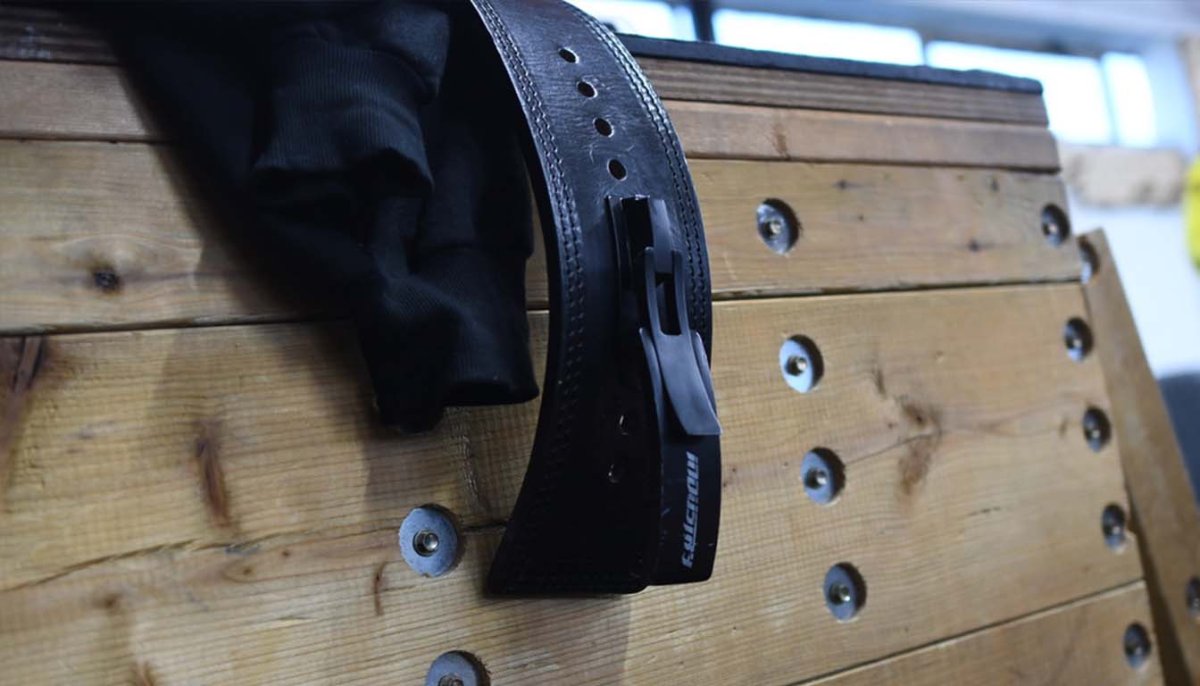
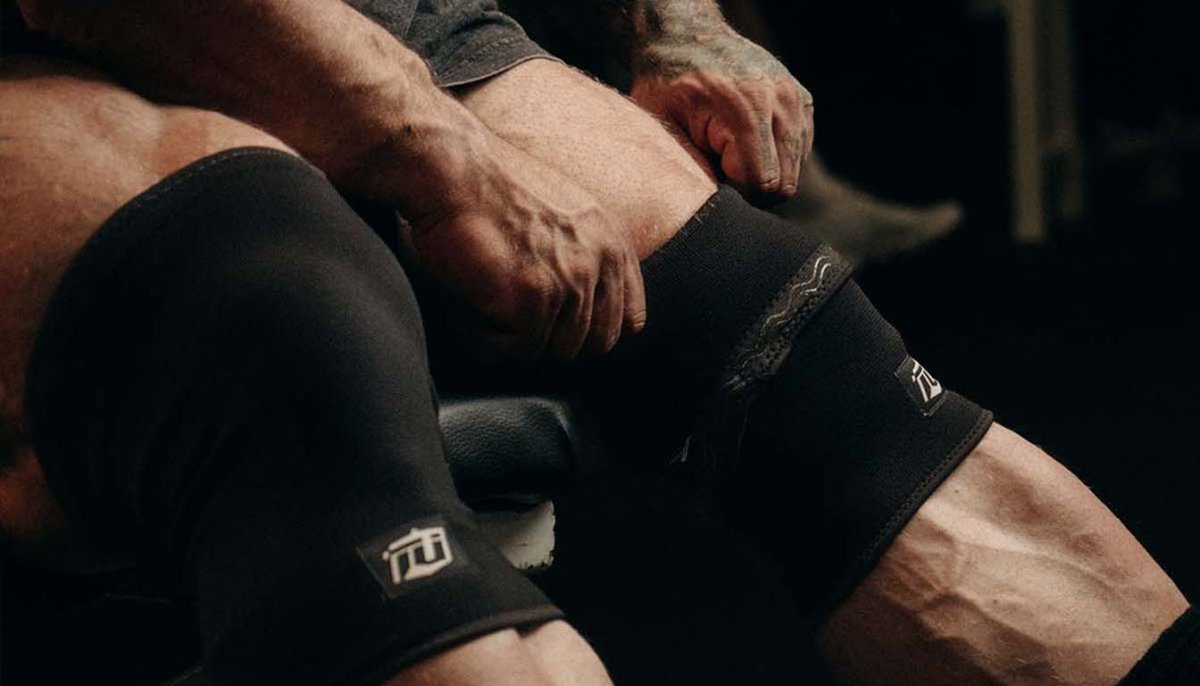
Pack equipment you already use and have practised with, such as a belt, wrist wraps or knee sleeves if they’re part of your routine. Check that your kit is in good condition and follow the event’s equipment instructions. Your powerlifting bag essentials should support a familiar warm-up and lifting routine, not a last-minute weight-management strategy.
Make your next step simple: confirm the official instructions, organise familiar kit and focus on your lifting. Explore Team Industry strength training gear for equipment and accessories to use in training. Choose gear for your training needs, not as a way to make weight.
Make your next meet a stronger starting point
Your next meet can be a chance to learn what preparation works best for you. After competing, note what helped you feel organised, what you’d change about your schedule and which kit you were glad to have packed. Those observations can make planning for your next event more personal and useful.
Team Industry supports federations and events that promote strength sports, and offers equipment and accessories for the community. Keep your powerlifting bag essentials organised so you can focus on the work ahead.
Explore Team Industry strength training gear and take one practical step towards your next meet. Keep building experience with every competition and move forward with confidence.
Frequently Asked Questions
Is it safe to cut weight quickly for a powerlifting meet?
Rapid weight loss, particularly through dehydration, can put your health and lifting readiness at risk, so it shouldn’t be treated as a routine meet-preparation method. Be cautious of advice that promises a quick scale change without considering your individual health. If you feel unwell during preparation, stop and seek prompt advice from a qualified health professional rather than trying another cutting tactic.
How far ahead should I plan to make a powerlifting weight class?
Start as soon as you choose a competition and begin considering which class to enter. There’s no single timeline that suits every lifter, so discuss your circumstances with a qualified sports dietitian and coach well before meet week. That gives you time to consider how your options fit your training commitments and wellbeing, instead of making a rushed decision around weigh-in.
Can cutting weight affect my powerlifting performance?
Yes. A weight cut, especially a rapid one, may affect how prepared you feel to train and lift, though the impact varies between individuals. Look beyond the scale: note whether your usual sessions, warm-ups, concentration or recovery feel different. Share those changes with your coach and sports dietitian. Don’t assume a lower weigh-in number is worth a drop in readiness.
What should I check before a powerlifting meet weigh-in?
Confirm the federation, your entered class, weigh-in time and any event-specific instructions in the current official materials. Don’t rely on a previous meet’s routine, as procedures can differ. Keep the relevant information easy to access on the day. Pack your powerlifting bag essentials separately, and remember that your kit checklist doesn’t replace checking the weigh-in requirements.
Share:
Deadlift Setup Checklist for Safety: Prepare for Every Rep
Best Lifting Straps for Deadlifts: How to Choose