

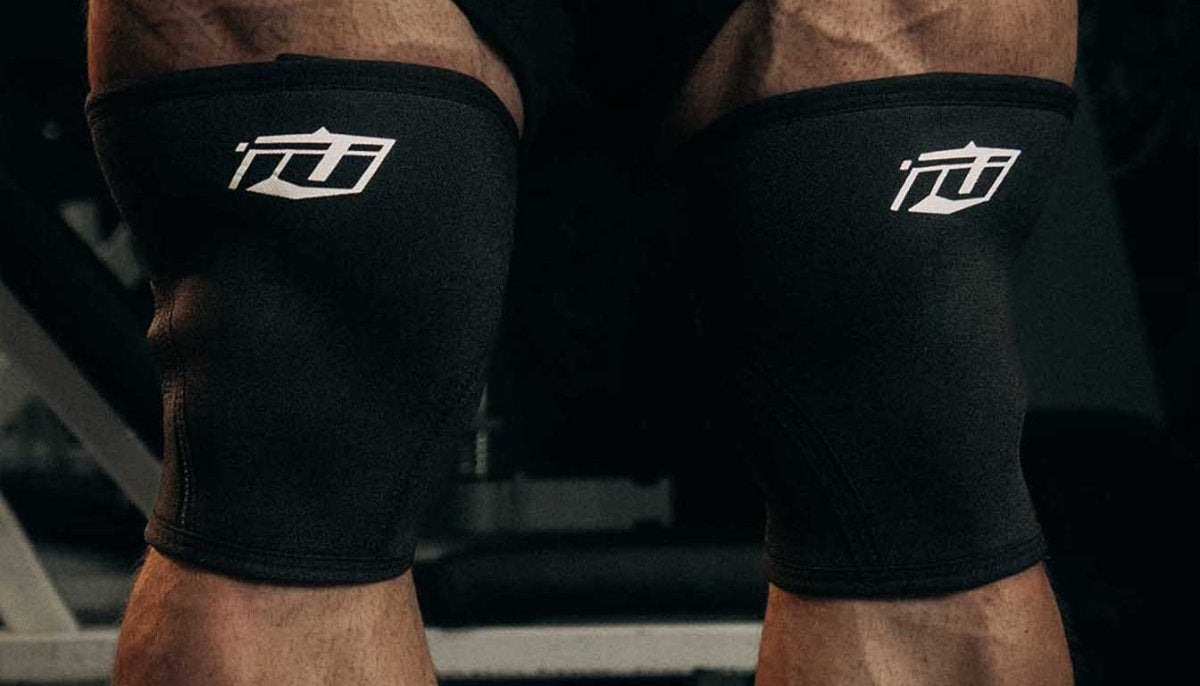
What if that missing "pop" at the bottom of your squat isn't a technique flaw, but a failure in your equipment? Many lifters assume their neoprene support is a lifetime investment, yet the reality of high-intensity training is that gear has a finite functional lifespan. You likely remember the rock-solid stability your sleeves provided during your first heavy session. Over time, that dependable compression often gives way to sleeves that slip down your shins or a persistent odour that survives every wash. If you're wondering how often should you replace knee sleeves, you've probably already noticed a subtle decline in your gear’s structural integrity.
It's frustrating when your equipment stops working as hard as you do. We believe in providing grounded, expert advice to help you maintain peak performance and joint safety. This guide will show you exactly how to spot "compression decay" before it compromises your next personal best. We'll explore the physical signs of material degradation, the impact of neoprene fatigue, and the benchmarks used by competitive athletes to determine when it's time to invest in a fresh pair of Heavy Duty Knee Sleeves to ensure your knees stay warm and protected.
Key Takeaways
- Learn how often should you replace knee sleeves by understanding the 6 to 12-month performance window typical for high-intensity training.
- Identify the functional signs of "compression fatigue" to prevent gear slippage and maintain consistent rebound at the bottom of your squat.
- Recognise visual indicators like "grinning" seams and frayed stitching that signal a loss of essential joint stability and safety.
- Determine the right time to upgrade to professional-grade Heavy Duty Knee Sleeves to ensure maximum durability and support during maximal loads.
Understanding the Lifespan of Neoprene Knee Sleeves
For a serious lifter, the functional life of gear is shorter than its physical existence. If you train three to five times a week, you'll likely find that how often should you replace knee sleeves falls within the 6 to 12-month range. Neoprene degradation is the loss of elastic memory within the material. This occurs through compression fatigue, where the microscopic air bubbles within the closed-cell structure collapse under repeated heavy loading.
Not all sleeves are built for the same purpose. Lightweight sleeves are designed primarily for joint warmth, whereas Heavy Duty Knee Sleeves are engineered to provide mechanical support and rebound. Understanding the material properties of neoprene helps explain why this support eventually fades; the rubber loses its ability to snap back to its original shape after being stretched.
To better understand this concept, watch this helpful video:
The Role of Neoprene Quality in Durability
High-density neoprene resists thinning far better than cheaper, more porous alternatives. While a 7mm thickness is the powerlifting standard, the density of that 7mm determines the speed of material breakdown. A high-grade sleeve maintains its structural wall under peak loads, delaying the inevitable collapse of the neoprene cells. This density is what separates professional gear from budget options that feel papery after just a few months of use.
Performance vs. Aesthetic Wear
Your gear might look pristine on the outside, but structural failure often happens internally. Surface pilling or slight discolouration is merely aesthetic and doesn't impact safety. True failure is the loss of lateral stability. If the sleeve no longer resists the outward pressure of your knee at the bottom of a lift, it's failing its primary job. Consider these factors when deciding how often should you replace knee sleeves to ensure you aren't squatting on compromised joints.
5 Critical Signs It’s Time to Replace Your Lifting Sleeves
Identifying when to retire your gear is vital for joint safety. If you're pulling your sleeves up between every set, the elastic tension has likely vanished. This "slippage factor" indicates the material has stretched beyond its functional limit. You should also check for "grinning" seams, where stitching pulls apart under tension, revealing the internal rubber core. When you're questioning how often should you replace knee sleeves, these physical cues are your most reliable guide.
Odour is another critical indicator. If a deep, permanent scent persists after multiple washes, bacteria have colonised the neoprene cells. This acidic buildup eventually degrades the rubber integrity from the inside out. Monitoring these details ensures you never step onto the platform with failing equipment that could compromise your stability during a heavy squat.
Testing the Compression Retention
Perform a simple "stretch-back" test to evaluate your gear. Pull the sleeve wide and release it; it should snap back to its original shape instantly. If the material lingers or feels sluggish, the elastic memory is gone. You can also measure the top opening of the sleeve. If it has widened by more than 2 centimetres compared to its original size, the compression is significantly compromised. Check for "soft spots" where the neoprene feels thin or brittle, as these are common failure points. Understanding how often should you replace knee sleeves by using these tests helps you maintain a high standard of safety.
Loss of "Pop" at the Bottom of the Squat
You'll notice a distinct change during heavy singles. If you no longer experience a mechanical rebound out of the hole, your gear isn't providing the lateral stability you need. This loss of support often creates a psychological hurdle, reducing your confidence during maximal attempts. If you've lost that essential "pop," it's time to consider upgrading to professional Heavy Duty Knee Sleeves to regain your competitive edge and protect your joints.
Factors That Accelerate Sleeve Degradation
Training volume is the primary driver of equipment wear. Lifters training 4 to 5 times a week subject their gear to constant mechanical stress, significantly shortening the replacement window compared to twice-weekly use. This high frequency accelerates the collapse of neoprene air bubbles. If you're a competitive athlete following a rigorous Strongman Training Gear UK protocol, you'll need to monitor your equipment more closely than a recreational trainee.
Chemical factors also play a massive role. Sweat is naturally acidic, and over time, it eats away at the neoprene structure. This bacterial breakdown doesn't just cause a permanent odour; it compromises the material's density. Improper sizing further complicates this. Many lifters "size down" to achieve extreme compression for competition, but this puts terminal stress on the seams and material. When calculating how often should you replace knee sleeves, you must account for these environmental and mechanical stressors.
The Impact of Cleaning Methods
Heat is the ultimate enemy of neoprene. Putting your sleeves in a tumble dryer "cooks" the rubber, making it brittle and prone to cracking. Harsh detergents are equally damaging, as they can dissolve the bonding agents that hold the reinforced seams together. Always use a mild, antimicrobial soap and cold water to preserve the life of your gear. Proper maintenance ensures you maximise the ROI of your strength equipment.
Storage and Environment
Leaving damp sleeves in a closed gym bag creates a "Gym Bag Effect" where moisture and heat accelerate material rot. This environment encourages rapid bacterial growth that weakens the rubber core. To maintain the structural integrity of your Heavy Duty Knee Sleeves, always remove them from your bag immediately after training. Air-dry them in a well-ventilated area away from direct sunlight to ensure they stay dependable for your next heavy session. Invest in quality by browsing our professional joint support collection today.
Upgrading Your Support: Choosing Your Next Pair
When your current pair fails the tests mentioned earlier, it's time for a functional upgrade. Transitioning from standard options to Heavy Duty Knee Sleeves is a strategic move for lifters pushing maximal loads. Scrutinise the seam construction before buying. Look for reinforced stitching that specifically resists the "grinning" effect. This ensures the sleeve maintains its shape under extreme tension. Understanding how often should you replace knee sleeves allows you to plan these investments before your performance dips or safety is compromised.
Choosing a brand that understands the grit of strength sports is essential. You need gear that has been tested in the same high-pressure environments you face. When deciding how often should you replace knee sleeves, match your next purchase to your current squat programme. If you're entering a high-intensity peaking block, you need the dependability of fresh neoprene rather than trying to squeeze one last session out of a worn pair.
Why Material Density Matters
High-grade neoprene offers a superior "rebound" life compared to budget alternatives. While cheaper sleeves might feel thick initially, they often lack the density required for long-term elastic memory. Team Industry UK focuses on these technical requirements. We design gear that specifically addresses the needs of powerlifters who face high-volume training cycles and require consistent lateral stability.
Preparation for Competition
Preparation for the platform requires foresight. Don't replace your sleeves the week of a meet. There is a necessary "break-in" period of roughly 4 to 6 weeks. This allows the material to contour to your joint while still providing peak compression. Always verify that your new gear meets the technical standards of your specific federation. Most raw powerlifting federations mandate a maximum 7mm thickness and 30cm length. Ensuring compliance early prevents unnecessary stress on competition day.
Maximise Your Training Longevity
Maintaining your equipment is as essential as tracking your sets and reps. We've explored how neoprene degradation isn't just about aesthetics; it's a structural failure that compromises your joint safety. By monitoring the "slippage factor" and checking for "grinning" seams, you can accurately determine how often should you replace knee sleeves based on your specific training volume. Remember to avoid high-heat cleaning and store your gear in well-ventilated areas to preserve the material's elastic memory for as long as possible.
Our gear is designed by lifters, for lifters, ensuring every piece of equipment stands up to the rigours of national-level competition. Team Industry is trusted by UK Strongman and Powerlifting athletes who require dependable stability under extreme loads. With reinforced stitching for maximum seam durability, our sleeves are built to outlast standard alternatives. Refining your squat? Shop the Team Industry Heavy Duty Knee Sleeves for professional-grade support. Keep pushing your limits with gear you can trust.
Frequently Asked Questions
Can I wash my knee sleeves in the washing machine to make them last longer?
Avoid using a washing machine if you want to maximise the lifespan of your gear. The mechanical agitation and high-heat cycles can delaminate the fabric from the neoprene core and weaken the reinforced stitching. Instead, soak them in cold water with a mild antimicrobial detergent. This gentle approach preserves the material's elastic memory and helps you avoid asking how often should you replace knee sleeves prematurely due to avoidable damage.
Do knee sleeves lose their "pop" or rebound over time?
Yes, knee sleeves gradually lose their rebound capacity through a process called compression fatigue. Every time you hit the bottom of a heavy squat, the microscopic air bubbles within the neoprene are compressed. Over hundreds of cycles, these cells eventually collapse and fail to snap back. This results in a noticeable loss of mechanical advantage, signalling that the structural integrity of your support is no longer at peak levels.
Is it better to size down in knee sleeves for more support?
Sizing down is a common practice for competitive lifters seeking extreme compression, but it comes with significant risks to your gear. Excessive stretching puts terminal stress on the seams, leading to "grinning" or complete structural failure. For most training goals, it's better to select a pair of Heavy Duty Knee Sleeves in your measured size to ensure a balance of safety, comfort, and long-term durability.
Should I replace my knee sleeves if they smell, even if they still feel tight?
Persistent odour is a clear sign of deep bacterial colonisation within the porous neoprene cells. These bacteria produce acids that slowly degrade the rubber structure from the inside out. Even if the sleeves still feel tight, this chemical breakdown compromises the material's density and lateral stability. When evaluating how often should you replace knee sleeves, an irreversible scent is often the first indicator that the material is rotting internally.
How can I tell if my knee sleeves are 7mm or 5mm?
You can identify the thickness by measuring the cross-section of the material at the opening or by its physical stiffness. A 7mm sleeve is the standard for powerlifting, providing significant mechanical support and warmth. In contrast, 5mm sleeves are thinner and more flexible, making them better suited for general agility work. Most professional-grade 7mm options will feel noticeably more rigid and resistant to folding than their 5mm counterparts.
Share:
Oversized Gym Pump Cover: 2026 Strength Athlete Guide
Best Oversized T-Shirts for Bodybuilders: 2026 Guide