
The best gym clothing brands for lifters in the UK make kit that stays in place without restricting your range of motion. Choose a fit that feels secure through a squat, bench press or deadlift, with enough room for your shoulders, hips and knees to move freely.
A close fit can work well for training, but tight fabric that pulls or shifts under load can become a distraction. Oversized tops offer more room through the torso, while shorts commonly come in 3-inch, 5-inch and 7-inch lengths. Five-inch shorts give a practical balance of coverage and freedom to move.
Finding the right option means matching the fabric and cut to your training style, then weighing those details against your budget. This guide explains what to look for in lifting apparel, how different fits work for bodybuilding and strength training, and how to compare UK prices. Use these practical checks to narrow down brands and choose kit that feels comfortable from warm-up sets to your final lift.
Key Takeaways
- Match fabric to your training: consider how it handles sweat, dries between sessions and holds up to repeated wear.
- Choose cuts that suit your lifting style, from roomier bodybuilding silhouettes to closer-fitting performance kit.
- Use customer feedback to spot recurring comments about sizing, comfort and durability, rather than relying on a single review.
- For sports leggings, compare fit and fabric as well as price.
Lifting apparel and oversized bodybuilding silhouettes
Oversized bodybuilding tops give the shoulders and torso room without clinging during lifting. Check the sleeve opening, shoulder seam and hem: a dropped shoulder should still allow an overhead press, while the hem shouldn’t ride up during a squat. Gym shorts commonly come in 3-inch, 5-inch and 7-inch lengths. Choose a cut that lets your thighs move freely and provides the coverage you prefer.
Fit depends on movement, not just the mirror. Test a deep squat, bench press setup and overhead reach before settling on a design. Leggings should stay secure at the waist through repeated reps, while a loose top can suit bodybuilding and everyday wear. For versatile activewear, make sure each piece works for the sports and movements you actually train.
For a real-world look at sizing and fit, watch Josh Sullivan’s gymwear comparison.
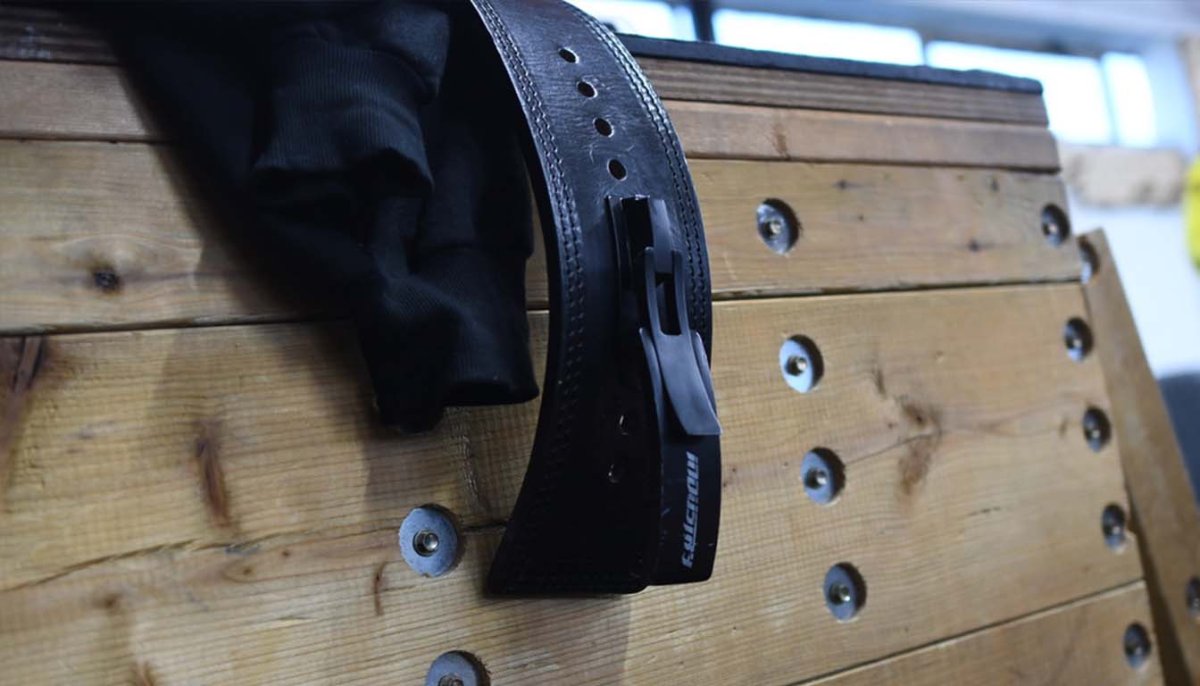
Choose accessories to meet a specific training need. A lifting belt supports bracing during heavy compound lifts; straps help maintain grip when holding a bar becomes the limiting factor. Wrist wraps support the wrist, while gloves provide a barrier between your hands and the bar. Try each with the movements you plan to train, as extra material can affect your grip and feel of the bar.
Approach footwear exercise by exercise, too. A stable, firm-soled shoe suits controlled barbell lifts, while a cushioned running shoe may feel less steady under a heavy squat. Plyometrics involve jumping and landing, so choose footwear that feels secure for both. Avoid using one pair for every session if its sole compromises your footing.
Lifting shoes usually have a firm sole and raised heel, which can help some lifters maintain an upright position in squats. Zero-drop shoes place the heel and forefoot at the same height. That flat platform may suit deadlifts, but feels different from a raised heel. Test both styles with light loads first, then choose the pair that keeps your stance stable and comfortable.
Men's bodybuilding and performance gym clothing
For bodybuilding and strength sessions, choose clothing according to movement and training purpose. Compare the cut, fabric behaviour and fit during exercises such as rows, squats and presses.
Men’s Bodybuilding Clothing
Bodybuilding clothing often pairs roomy shirts with fitted shorts or leggings. A relaxed torso allows movement during lateral raises and overhead presses, while a closer lower-body fit can stay clear of equipment. Check that sleeves don’t bind when you reach across your chest. During a squat, make sure the waistband stays put and the fabric doesn’t restrict your hips. The right fit feels comfortable through both a flexed pose and a full set.
Performance Activewear Brands
Performance activewear brands differ in cut, size grading and design priorities. Compare a training shirt, stringer and long-sleeved top by checking the shoulder seams and arm openings. A brand focused on strength training may offer cuts suited to barbell sessions; broader activewear ranges may suit gym work and everyday wear. Use the brand’s size guide, then compare garment measurements with a shirt that fits well. Read fit comments for details about torso length and sleeve room.
Performance Materials and Fit
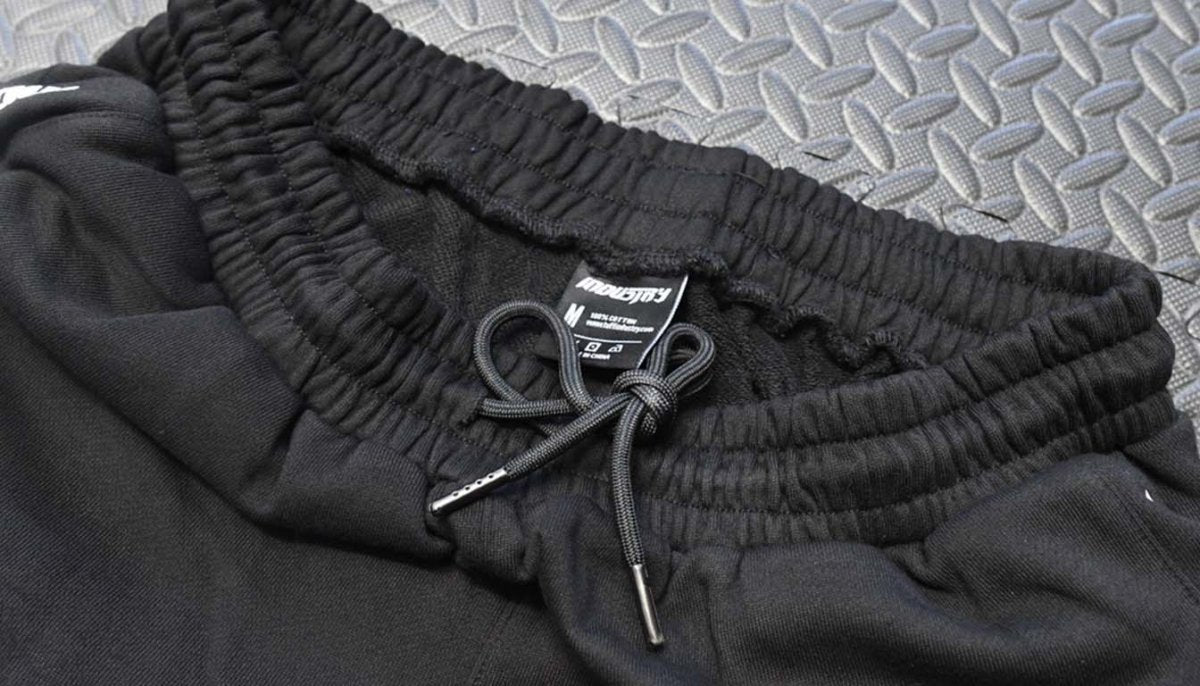
Fabric should stretch through each movement without becoming loose or restrictive. Test a deep squat, lat pulldown and overhead press to see whether shirts shift or seams pull. Breathable materials can feel more comfortable during a hard workout, while seamless construction reduces the number of stitched joins against the skin. Check the garment’s composition and care instructions, then consider how you’ll use it. Industry Performance Leggings are a close-fitting option for training that calls for unrestricted lower-body movement.
Sweat-wicking, quick-dry and durable fabrics
Fabric choice affects both comfort during a hard session and the care your kit needs afterwards. Compare the garment label, construction and intended use before buying.
Gym Shirts and Moisture-Wicking Fabrics
For gym shirts, check the fabric description and care label rather than relying on a “performance” claim alone. A shirt for a high-effort workout should feel comfortable against your skin and let you move freely through presses and rows. Compare it with a cotton tee you already own: notice the differences in weight, stretch and feel after training. Choose a cut that doesn’t cling or twist during reps.
Sweat-Wicking and Breathable Fabrics
Sweat-wicking fabrics move moisture away from the skin, while breathable construction helps heat escape. These qualities can matter during a demanding session, especially if you train in several layers. Check the fabric composition and try the garment during a movement such as a lat pulldown. Compression clothing should feel secure without restricting your reach or breathing. For fashion-led activewear, prioritise practical comfort over a feature name that doesn’t explain how the garment feels.
Quick-Dry and Durable Fabrics
Quick-dry describes how fabric handles moisture after use; it doesn’t tell you how long a garment will last. Inspect seams, hems and areas that rub against a bench or bar. Follow the care label after each wash, as unsuitable heat or detergents can affect the fabric’s feel. If you rotate gym clothes with everyday accessories, separate damp kit after training instead of leaving it packed. Consistent comfort across repeated sessions matters more than a claim on the swing tag.
Customer comments on fit, comfort and durability
Customer reviews can reveal how gym clothes perform after repeated wear, but the most useful feedback is specific. Look for comments describing the garment, movement and fit issue, such as a shirt riding up during presses or leggings shifting during squats. These details help you judge whether a review reflects your training and build.
Separate sizing feedback from comfort feedback. “Runs small” describes a fit comparison, while “tight across the shoulders during rows” pinpoints where movement feels restricted. Check whether reviewers mention their usual size and the size they chose. If several comments describe the same issue, compare garment measurements with the size guide before deciding.
Comfort comments are most useful when they describe the session conditions. A reviewer who says a shirt feels restrictive during overhead work offers more practical information than a general statement that it feels comfortable. Look for examples involving seated rows, deep squats or bench setups. Those movements help you assess sleeve room, waistband stability and fabric movement against your own routine.
Durability feedback should explain what changed and how the item was cared for. Comments about seams, print, fabric pilling or waistband shape give clearer clues than a simple “lasts well” rating. Compare reports from people who describe regular training and follow the garment’s care instructions. A single complaint may reflect a specific fit or wash issue; repeated reports of the same fault deserve closer attention.
Use this quick review check before buying:
- Match the reviewer’s reported fit issue to your movement, such as sleeve tension during presses.
- Compare stated size choices with the brand’s garment measurements.
- Look for repeated durability comments about the same seam or fabric area.
- Give more weight to detailed descriptions than broad praise or criticism.
This approach turns customer comments into practical evidence instead of treating star ratings as a complete fit guide. Note the useful points for each brand, then compare the same details across shirts, leggings and other training kit.
Team Industry: Industry Oversized Tee
The Industry Oversized Tee gives lifters a roomy option for bodybuilding sessions and everyday wear. Consider it if you prefer a relaxed torso fit and want a top suited to training without a close, compression-style cut. For a more open-shoulder design, compare the Team Industry Stringer; for close-fitting lower-body wear, consider Industry Performance Leggings. The range also includes the Team Industry Lifting Belt for lifters choosing training support alongside apparel. Match each piece to your preferred fit and session demands rather than buying a complete set by default. Visit Team Industry to explore the range and choose the kit that suits your training.
Choose kit that supports your next training block
Make fit part of your training plan. Before buying, identify the movements that expose the problems you want to solve, such as a top shifting during presses or leggings distracting you during lower-body work. Then choose one item that addresses that need rather than replacing your whole gym wardrobe at once. This keeps the decision practical and makes it easier to judge how the garment performs in your sessions.
For a relaxed training top, consider the Industry Oversized Tee or Team Industry Stringer. For a close-fitting option, explore Industry Performance Leggings. Use the criteria in this guide to decide which cut suits your routine as you compare the best gym clothing brands for lifters in the UK.
Contact Team Industry to discuss your training apparel needs. Choose your next piece with purpose, then put it to work in your next session.
Frequently Asked Questions
How should gym clothes fit?
Gym clothes should stay secure without limiting movement or distracting you during a set. Try your intended movements in the garment before deciding: reach overhead, hinge at the hips and brace as if preparing for a lift. Check that the waistband stays in place and the seams don’t rub. If shopping online, compare the garment measurements with a similar item you already find comfortable.
What features should you look for when buying men’s clothes for the gym?
Prioritise a cut that suits your routine, fabric that feels comfortable and construction that can handle repeated sessions. For example, check whether a shirt’s arm openings allow an unrestricted press and whether shorts stay secure during a hinge. Pockets can carry small essentials, but shouldn’t interfere with a lifting belt or equipment. Read the care label before choosing.
What are the best gym clothing brands for weightlifters in the UK?
There’s no single best choice for every lifter, so compare brands by fit, garment purpose and available styles. For lifters comparing the best gym clothing brands in the UK, Team Industry offers apparel inspired by strength sports. Its range includes the Industry Oversized Tee and Industry Performance Leggings. Consider which pieces suit your training before choosing.
What are the best men’s gym clothes for bodybuilding and strength training in the UK?
Choose men’s gym clothes by matching each piece to your training. A relaxed top can suit bodybuilding sessions, while a fitted base layer may feel more practical under other clothing. For strength training, check that garments don’t catch on equipment or shift during setup. Team Industry’s Stringer is another option to compare when choosing a training top.
How much do popular UK gym clothing brands cost?
Prices vary by garment type, fabric, construction and brand, so compare like with like. Check the listed price for the specific item and colour, then include delivery if it affects your budget. A basic training top and a specialist performance garment aren’t direct comparisons. For a fair shortlist, compare similar cuts and intended uses instead of judging a brand by one item alone.
What fabrics and features should lifters look for in gym clothes?
Look for fabric that feels comfortable against your skin and moves with you. Try a shirt during a row or press, then check whether it twists or pulls. Review the care instructions and seam construction before buying. If you train in compression garments, make sure they allow your normal range of motion and don’t create pressure points.
Share:
How to Structure a Strongman Training Week: A Practical Guide
Grip training to avoid bicep tears: choosing a deadlift grip