

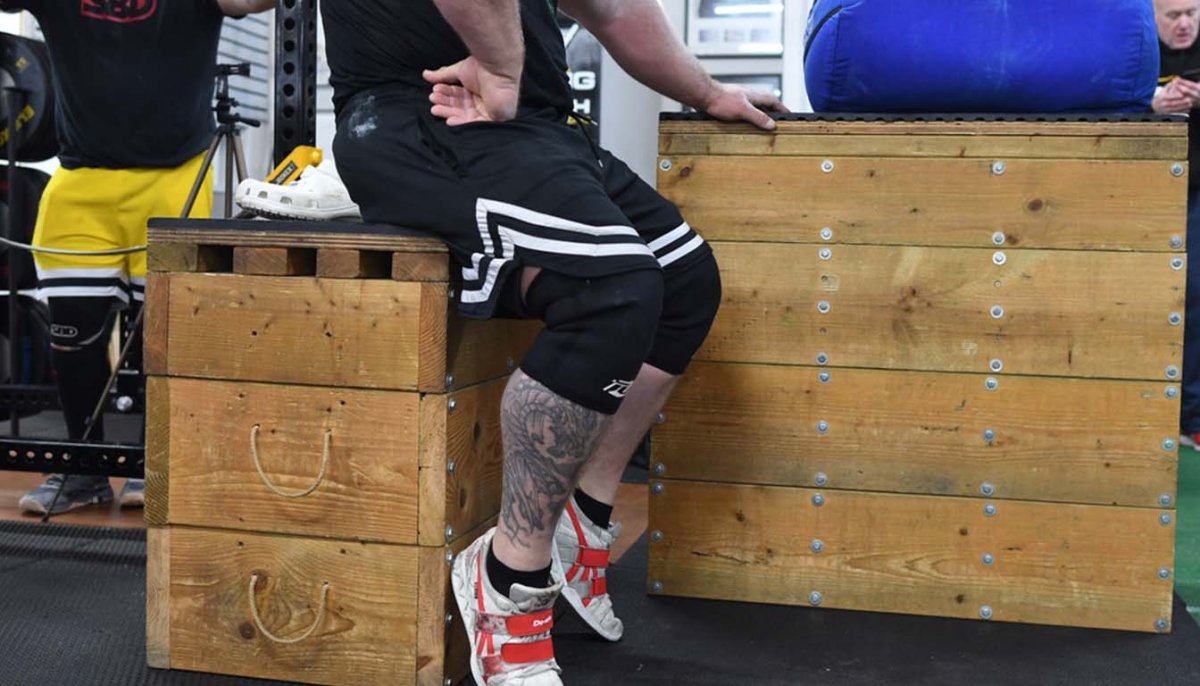
A strong squat doesn’t depend on what you wear on your knees. If you’re wondering are knee sleeves worth it for squats, the practical answer is that they may make training feel more comfortable and supported, but they’re optional. They won’t correct a technique issue or guarantee a bigger lift.
Knee sleeves are mainly used for warmth, compression and a more supported feeling during a set. That may suit heavy or high-volume sessions, while other lifters prefer squatting without them. Sleeves are also different from knee wraps, which are wound around the knee and can feel different during a squat. This guide explains what sleeves can and can’t do, how to decide whether to wear them, and what to consider when choosing a pair. The goal is to make a practical choice based on comfort, training needs and technique, not pressure to wear extra kit.
Key Takeaways
- Are knee sleeves worth it for squats? Decide based on your training needs and whether they make your sessions more comfortable.
- Separate comfort from claims about performance. A supported feeling doesn’t guarantee a stronger lift.
- Compare a session with sleeves to one without them, keeping your technique and training plan as consistent as possible.
- Before choosing a pair, consider comfort, intended use and whether you can move through your squat naturally.
Are Knee Sleeves Worth It for Squats, or Are They Optional?
Knee sleeves may suit some squatters, but they’re not required. A knee sleeve is a close-fitting support worn around the knee during training. Whether it’s useful depends on your comfort and the demands of your sessions, not a blanket rule that every lifter should wear one.
Knee sleeves are optional support, not a prerequisite for a strong squat. If you’re asking are knee sleeves worth it for squats, start by identifying what you want from them: warmth, compression or a more supported feeling during working sets. If you’re comfortable without a sleeve and can train consistently, there’s no need to add one simply because other lifters wear them.
What knee sleeves are designed to do
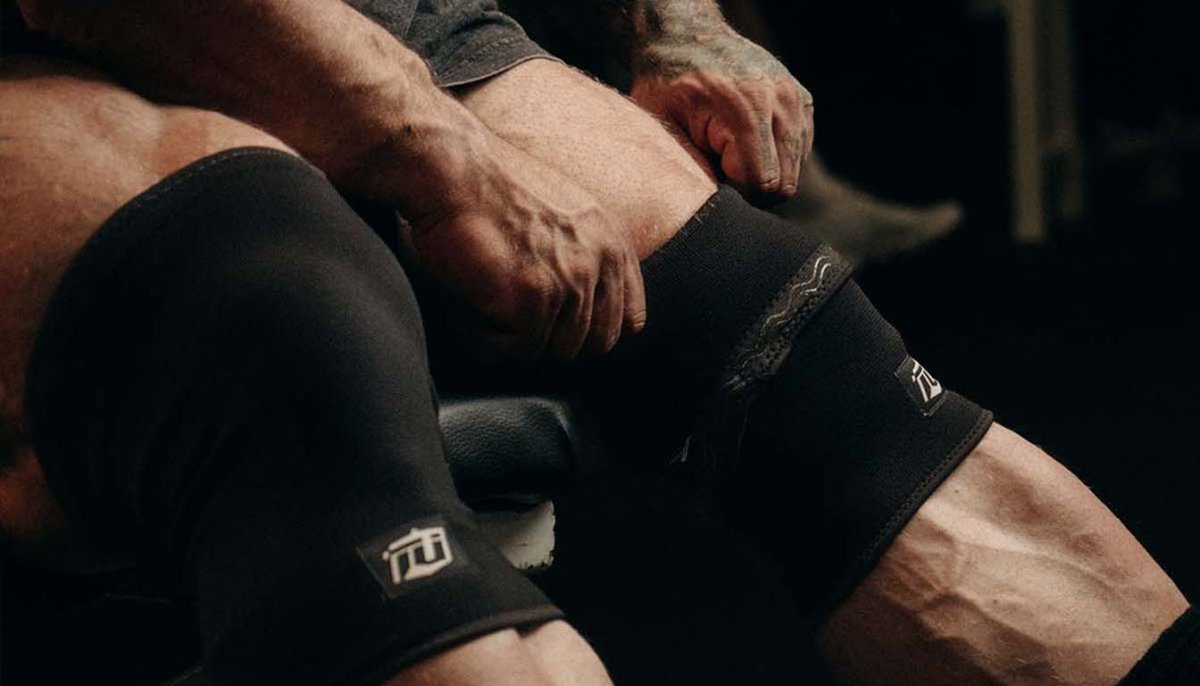
A sleeve is a continuous tube that fits around the knee. It provides compression, helps the area feel warm and gives a noticeable sense of coverage during movement. That supported feeling can be reassuring, but a sleeve doesn’t hold the joint rigid or guide your squat for you. For basic context on the joint’s structure and function, see this overview of the anatomy of the knee joint.
A knee wrap is different: it’s a separate strip of material wound around the knee, rather than a tubular sleeve pulled on. The two can feel and function differently, so don’t assume advice about wraps applies to sleeves.
Who might find squatting in sleeves useful?
You may prefer sleeves if your knees feel more comfortable and warm during working sets, or if you value a consistent supported sensation from one session to the next. This may be worth testing if you squat regularly and want to assess how sleeves feel during your usual training.
Don’t treat a sleeve as a requirement or a fix for discomfort. Lifters can squat effectively without one. If you’re considering support, compare how you move and feel with and without it while keeping your technique and training approach steady. You can also browse knee support options as part of your decision.
What Knee Sleeves Can, and Cannot, Do for Your Squat
A sleeve can change how your knees feel during a squat, but that sensation shouldn’t be confused with a guaranteed change in strength or protection. Lifters commonly value warmth, compression and a sense of support. These are personal experiences, not assured performance effects.
Warmth, compression and confidence: realistic potential benefits
Some lifters like the snug feel around the knee, particularly during working sets or in a cool gym. Compression may feel reassuring, and warmth may make the joint feel more comfortable to them. Others notice little difference or find a sleeve distracting. Your experience may also vary between sessions, so treat comfort as a practical preference rather than a promise of improved performance.
Feeling more supported in a sleeve can build confidence, but it doesn’t prove that your squat has become stronger. To judge its value, pay attention to comfort and movement, not just how secure your knees feel.
Do knee sleeves prevent injuries or add squat strength?
Don’t rely on sleeves to prevent injury or produce automatic strength gains. They can’t replace sound technique, progressive training or choosing a load you can control. If your knees collapse inward, your depth changes or the bar path becomes inconsistent, address your movement and training rather than expecting a sleeve to correct them.
So, are knee sleeves worth it for squats? They may be worthwhile if you value the sensation they provide, but they aren’t a shortcut or a clinical treatment. Stop training through persistent pain or a suspected injury and seek advice from a qualified healthcare professional. A sleeve shouldn’t delay an assessment or replace clinical advice.
If you’re considering support for training, browse knee support options alongside your own comfort and training needs.
How to Decide When to Wear Knee Sleeves for Squats
Make the decision through a simple trial, not guesswork. Ask yourself: are knee sleeves worth it for squats if they make your working sets feel more comfortable without changing your movement? Find out by identifying why you want to wear them, comparing similar sessions and judging the result by comfort and movement quality.
- Identify your reason. Decide whether you’re looking for warmth, a supported feel or comfort during particular sets.
- Try them in training. Wear sleeves for a comparable session or for selected working sets. You don’t have to wear them for every warm-up or squat.
- Assess the difference. Note how comfortable and controlled your squats feel. Don’t assume you’ve gained strength just because the sleeve feels supportive.
A simple way to trial sleeves in training
Compare sessions with and without sleeves while keeping your squat technique, exercise setup and training plan as consistent as possible. After each session, note whether the sleeve felt distracting and whether your usual squat felt controlled. If it interferes with comfortable movement, stop using it. This is a personal equipment choice, not a test you need to pass.
Wearing sleeves only for selected working sets is a valid approach. For example, you might use them for the sets where you value the supported feel and leave them off for other work. Choose a pattern you can assess consistently.
When discomfort deserves more than gym gear
Equipment preference is different from persistent, worsening or concerning knee symptoms. Don’t use a sleeve to push through pain or put off getting help. If you have ongoing discomfort or suspect an injury, pause and seek an assessment from a qualified healthcare professional. A training accessory can’t diagnose the cause or replace clinical advice.
If your trial points towards using sleeves, browse Team Industry knee support options for a relevant training accessory.
Choosing Knee Sleeves for Squats: A Practical Next Step
Use a simple checklist before choosing a pair. Focus on what matters in your training instead of assuming a particular sleeve will improve your squat. A sensible choice should suit your reason for wearing it and feel comfortable through the full movement.
- Comfort: Does it feel comfortable while you squat?
- Intended use: Does it suit the sets or sessions where you want added warmth or a supported sensation?
- Movement: Can you lower into and rise from the squat without the sleeve distracting you or restricting comfortable movement?
Match the equipment to your reason for wearing it
If you want warmth or a supported feel, prioritise comfort and ease of movement. Try the sleeve during your usual squat pattern and consider whether you’d want to wear it for the sets you have in mind. If it feels distracting, it may not be right for you. Equipment preference is personal, and you don’t need to wear sleeves simply because they’re common in the gym.
Ongoing pain or a suspected injury calls for a different response. Don’t treat gym equipment as a solution or use it to delay an assessment. Seek advice from a qualified healthcare professional about concerning knee symptoms.
Explore knee support options when you are ready
If you’ve decided a sleeve suits your training, the Team Industry 9 mm Pro Knee Sleeves are one option to consider. They’re not a required part of squatting, and choosing them doesn’t guarantee a change in comfort or performance. Let your training needs guide the decision.
Ready to browse? Explore knee support options and consider which choice best fits your intended use.
Make Your Next Squat Session a Useful Test
Let your next training session guide the decision. Choose a clear reason for trying sleeves, then notice whether they help you feel comfortable and move confidently through your usual squat. If they don’t add value for you, there’s no need to make them part of your kit.
So, are knee sleeves worth it for squats? They’re worth considering when they suit your preferences, not because you need them to squat well. Keep your training focused on consistent, controlled reps, and let equipment earn its place through practical use.
If you’d like to browse equipment for your training, explore Team Industry strength gear. Choose what fits your approach, and keep building confidence one session at a time.
Frequently Asked Questions
Are knee sleeves necessary for squats?
No. Knee sleeves aren’t necessary, and plenty of lifters squat without them. Ask yourself: are knee sleeves worth it for squats in my training? You might prefer the warmth or compression during a workout in a cool gym, while another lifter may find the extra layer distracting. Try a normal session without them, then decide whether sleeves would make a useful difference for you.
Do knee sleeves make you squat more weight?
Not automatically. A sleeve may make a set feel more comfortable or give you greater confidence, but that sensation isn’t proof you’ll lift more. To assess performance, compare like with like: use the same squat variation, load and rep target, then record your results across comparable sessions. Progress still depends on training, technique and appropriate loading, not the sleeve alone.
Should beginners wear knee sleeves when squatting?
No. Beginners can learn to squat without sleeves, focusing first on balance, depth and controlled movement. Some coaches recommend building experience without them before trying sleeves for heavier sets, but there’s no single timetable that suits everyone. If wearing a sleeve distracts you or makes it harder to move comfortably, leave it off and reconsider as your training develops.
Can knee sleeves prevent knee injuries during squats?
No. Knee sleeves shouldn’t be relied on to prevent injuries. They may make your knees feel warm or supported, but they can’t correct a sudden increase in training load or replace sound movement choices. Stop squatting if pain persists or worsens, or if you suspect an injury. Seek assessment from a qualified healthcare professional rather than using equipment to mask symptoms.
What is the difference between knee sleeves and knee wraps for squats?
Sleeves are tubular supports pulled over the knee; wraps are long strips wound around it. A sleeve is generally more straightforward to put on, while a wrap needs to be positioned and wound before lifting. That difference may matter if you want a simple option for training or are comfortable spending more time setting up. Choose based on intended use and comfort, not an assumed performance gain.
Share:
Wrist Wraps for Overhead Press: When and How to Use Them
Sumo vs Conventional Deadlift for Your Body Type: How to Choose