

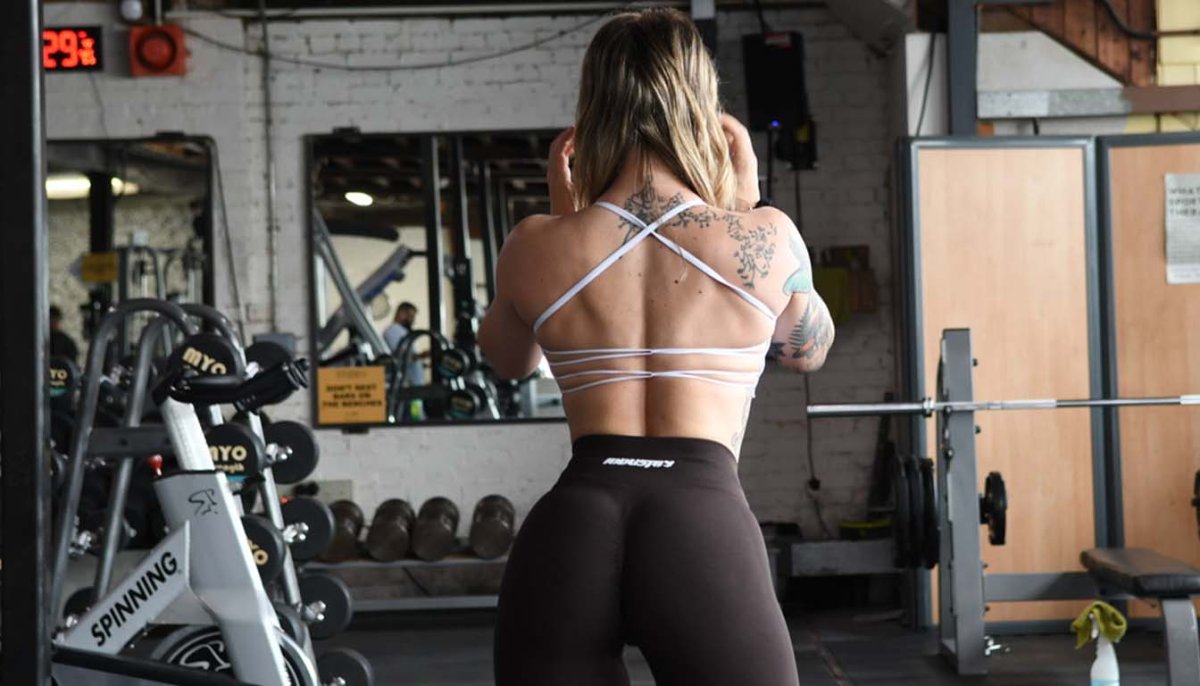
Your choice of leg day gym leggings is more than a style preference; it is a critical piece of technical equipment that functions as a structural stress test for your training gear. When you are under a loaded barbell or pressing for maximum volume, the last thing you should manage is equipment failure. You likely understand the specific frustration of a waistband that rolls down during a hip hinge or fabric that sheers out at the bottom of a deep squat. These aren't just aesthetic issues. They are operational distractions that pull your focus away from the lift and compromise your session.
We agree that high-performance training requires apparel that matches your intensity. This guide provides the practical, actionable insights needed to select gear, such as Industry Performance Leggings, that offers a genuine squat-proof guarantee without restricting your range of motion. You will learn how to evaluate fabric blends, such as the 78% polyamide and 22% elastane standard, and identify construction features that resist pilling from barbell contact. We will preview the essential durability markers that ensure your gear survives the heaviest leg presses and remains a reliable part of your kit for many seasons to come.
Key Takeaways
- Learn how to identify performance-grade apparel that maintains full opacity and structural integrity during maximum eccentric loads.
- Discover why a reinforced high-waisted design is essential for supporting intra-abdominal bracing and preventing sliding during deep hip hinges.
- Select leg day gym leggings built with high-abrasion resistance to withstand the constant friction of barbell knurling.
- Understand the technical differences between fabric thickness and high-density knits to ensure your gear survives intense training seasons.
- Learn how Industry Performance Leggings provide a no-nonsense solution for lifters who prioritise function over aesthetic trends.
What Makes Leg Day Gym Leggings 'Performance Grade'?
Performance-grade gear maintains structural integrity under maximum eccentric load. Unlike standard apparel, leg day gym leggings must withstand the extreme tension of a deep squat without losing opacity. This durability comes from knit density, not just fabric thickness. Many "squat-proof" marketing claims fail because they don't account for the GSM (grams per square metre) required to prevent the fabric from thinning out when stretched. High-denier materials ensure that even at the bottom of a heavy rep, the fabric remains solid.
True strength gear prioritises reinforced seams and technical fabric blends over aesthetic trends. While some brands focus on seamless construction for a "second skin" feel, these can sometimes fail under the high friction of a barbell. Performance leggings use flat-locked, double-stitched seams to handle the mechanical pressure of heavy lifting. Additionally, compression sportswear plays a vital role in muscle stabilisation. By providing consistent pressure, these garments help reduce muscle oscillation during explosive movements and can aid in recovery following high-volume sessions. You can find these technical features in the Industry Performance Leggings, which are built specifically for the rigours of powerlifting and bodybuilding.
The Science of Opacity and Fabric Stretch
Four-way stretch is a requirement for any athlete performing deep lunges or squats. This technology allows the fabric to expand both crosswise and lengthwise, returning to its original shape without sagging. Without it, you risk the "grin-through" effect, where the base knit of the fabric becomes visible as it stretches. Choosing high-denier materials for your leg day gym leggings prevents this transparency. It ensures you remain focused on the lift rather than your gear.
Moisture Management for High-Intensity Lifts
Intense training sessions generate significant heat. Moisture-wicking properties are essential to pull sweat away from the skin, preventing painful chafing and fabric heavying. A breathable, reinforced gusset is another critical feature. This diamond-shaped fabric insert redistributes stress away from the crotch seams. This allows for a full range of motion while maintaining hygiene and comfort throughout a long session.
Choosing the Right Fit for Heavy Squats and Deadlifts
Selecting the correct fit for leg day gym leggings involves more than checking a standard size chart. For athletes performing deep hip hinges, a high-waisted design is a functional necessity. This cut ensures the fabric stays secure during the eccentric phase of a squat or the setup of a deadlift. Without a high rise, you may find yourself constantly adjusting the waistband, which breaks your mental focus and compromises your bracing. Full-length leggings also provide a practical layer of protection for your shins against barbell friction during pulls.
Seam construction is another critical factor for heavy sessions. Flatlock seams sit flush against the skin, which is vital for preventing irritation under the mechanical pressure of a heavy load. Beyond comfort, high-quality compression garments offer reduced soft tissue vibration. This reduction in muscle oscillation is particularly beneficial during explosive movements, helping you maintain control throughout the lift. For those seeking this level of technical detail, the Industry Performance Leggings are engineered to meet these specific operational standards.
Waistband Stability and Core Bracing
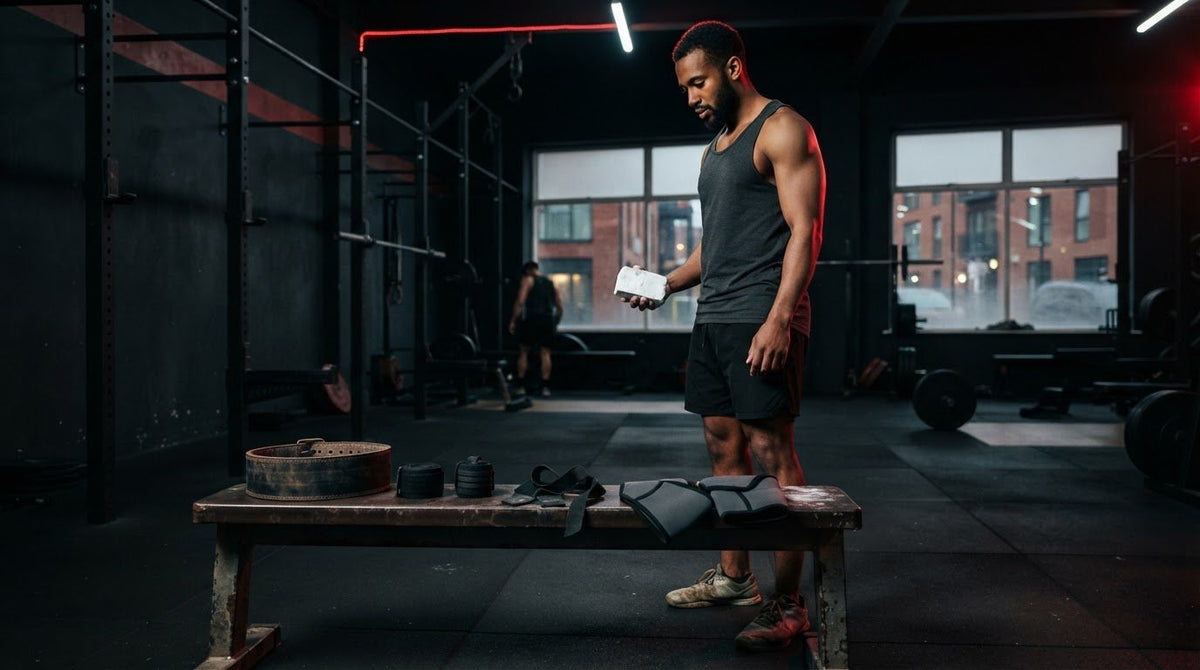
A wide, reinforced waistband does more than provide coverage; it creates a stable platform for intra-abdominal bracing. When you use a weight lifting belt, the leggings must sit flat without bunching or rolling down. High-tension elastic or internal silicone grips are effective tools to keep the gear in place. This synergy between your apparel and your strength equipment allows you to create maximum tension without the distraction of sliding fabric.
Sizing for Muscular Frames
Athletes with a high waist-to-hip ratio often struggle with standard sizing. If you have a true "lifter's build," prioritise the fit around your quads and glutes. It's a common mistake to size down for more compression, but this often leads to fabric over-extension and seam failure. Instead, choose leg day gym leggings that accommodate your muscular frame while maintaining a secure fit at the waist. A proper fit ensures the material can perform its job of protecting your skin and supporting your muscles without premature wear.
Durability: Surviving Barbell Friction and Equipment Use
Barbell knurling is the primary cause of premature wear in standard athletic apparel. During deadlifts or cleans, the bar's textured surface acts as a heavy abrasive against the fabric. While many "lifestyle" brands prioritises a thin, naked feel for aesthetics, these fabrics often fail under the friction of a knurled bar. You need leg day gym leggings with high-abrasion resistance, specifically in the thigh and shin areas, to maintain the garment's integrity over time. Reinforced stitching in the crotch and inner thigh is also essential to prevent blowouts during deep, explosive movements.
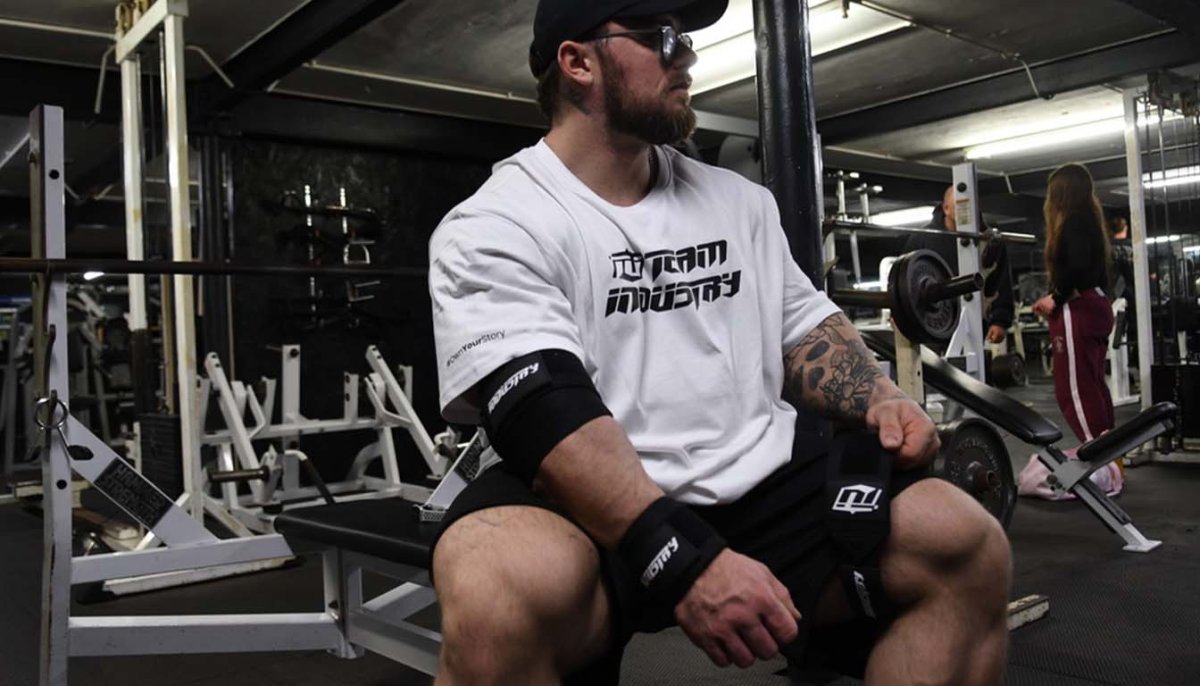
Your apparel must integrate seamlessly with technical equipment like heavy duty knee sleeves. If the fabric is too slick or thin, sleeves will likely slide or bunch, which creates an unnecessary operational distraction during a set. Performance-grade leggings provide the necessary surface tension to keep your sleeves locked in place. To ensure your gear lasts more than one season of heavy training, look for these durability markers:
- High-density interlock knit fabric
- Reinforced inner thigh panels
- Double-stitched structural seams
- Abrasion-resistant shin zones
Combating Pilling and Fabric Breakdown
Choosing leg day gym leggings with an interlock knit provides a denser, more durable surface than standard single-jersey fabrics. This construction makes the material less prone to snagging on gym equipment or pilling after repeated contact with a barbell. To preserve the elastic fibres, always wash your gear in cold water and avoid the tumble dryer. High heat is a secondary killer of performance textiles and will lead to premature elasticity loss.
The Importance of Double-Stitched Seams
Overlock seams are common in fashion-led activewear but aren't sufficient for the high-stress environments of Strongman or Powerlifting. These disciplines require a more robust construction to handle the mechanical pressure of maximum loads. Double-stitched seams provide the fail-safe needed during maximum effort attempts. This level of reinforcement ensures the garment remains a reliable tool rather than a liability on the platform. Select the Industry Performance Leggings for a durable, barbell-ready solution that won't fail when the weight gets heavy.
The Team Industry Approach to Leg Day Apparel
Team Industry UK provides specialized gear for those who treat training as an operational necessity. Our leg day gym leggings are not designed around aesthetic "scrunch" trends. Instead, we prioritize the grounded, no-nonsense functionality required for high-intensity sessions. These leggings function as a dependable tool for serious UK lifters who demand equipment that survives maximum effort. Every piece in our collection undergoes testing by active athletes within the Strongman and Bodybuilding communities. This ensures that the fabric density and seam reinforcement meet the practical standards of the platform. For a complete training setup, we recommend pairing your leggings with Industry Classic Lifting Straps to ensure your grip remains secure during heavy pulls.
Designed by Lifters, for Lifters
Our commitment to the strength community extends beyond apparel. We actively invest back into UK strength sports events and federations to support the regional infrastructure of the sport. This partnership allows us to stay connected to the grit and reality of the labor-intensive world of lifting. For athletes who prefer to test the durability and fit of their leg day gym leggings in person, our shop in Wormley provides a physical location to evaluate fabric quality before purchase. Our staff understands the specific requirements of heavy training and can provide pragmatic advice on gear selection.
Completing Your Leg Day Kit
Achieving the classic "Industry" look involves layering for both function and professional standards. Many of our athletes pair their Industry Performance Leggings with an Industry Oversized Tee for a functional silhouette that handles the heat of a long session. This combination provides full range of motion while maintaining the durability needed for barbell contact. If you are looking for more information on selecting performance gear for other lifts, read our Men’s Gym Clothes: The Ultimate Guide. You can shop the full range of Team Industry apparel and gear to find the right equipment for your specific training requirements.
Maximize Your Training Efficiency
Selecting the right leg day gym leggings is a technical decision that directly impacts your operational success in the gym. High-density knits and reinforced seams are your primary defenses against barbell friction and mechanical failure during heavy sessions. By prioritizing a high-waisted design, you ensure your apparel supports proper intra-abdominal bracing and integrates seamlessly with your lifting belt. These features aren't just about appearance; they are essential for maintaining focus and stability under maximum loads.
We take a pragmatic approach to gear. Our apparel is athlete-tested within the Strongman and Bodybuilding communities to ensure it meets the demands of the platform. We use reinforced seams for maximum durability, providing a reliable fail-safe for your most intense attempts. This commitment to quality is why Team Industry remains a trusted partner for the UK strength community. When your equipment is reliable, you can commit fully to the work required for growth.
Upgrade your leg day with Industry Performance Leggings and experience the difference that professional-grade construction makes. Stay focused on your progress and trust your kit to handle the heavy lifting alongside you.
Frequently Asked Questions
Are seamless leggings good for heavy leg days?
Seamless leggings offer excellent comfort and a second skin feel, but they often lack the structural reinforcement required for maximum eccentric loads. For training sessions involving significant barbell contact, seamed leg day gym leggings provide superior abrasion resistance. The double-stitched seams found in the Industry Performance Leggings act as a necessary fail-safe against fabric failure during the deepest part of a squat.
How do I know if my gym leggings are truly squat-proof?
You can verify the opacity of your gear by performing a deep squat in front of a mirror under bright, natural light. Truly squat-proof leggings rely on a high knit density rather than just fabric thickness. Check the material for a high GSM (grams per square metre) rating to ensure the fabric doesn't become translucent when the elastic fibres are fully extended during high-tension movements.
Should I wear a lifting belt over or under my leggings?
Position your Team Industry Lifting Belt over your leggings to ensure a stable and secure fit. High-waisted leggings provide a smooth, consistent surface that prevents the belt from pinching your skin or shifting during heavy sets. This configuration supports more effective intra-abdominal bracing and keeps your core stabilized without the distraction of fabric bunching beneath the leather.
What is the best fabric blend for durability in gym leggings?
A blend of 78% polyamide and 22% elastane is currently the industry standard for high-performance leg day gym leggings. This specific ratio provides the four-way stretch required for a full range of motion while maintaining the structural integrity needed to resist pilling. It offers a calculated balance of moisture management and durability that standard 80/20 nylon blends often lack during long, high-intensity sessions.
Can I wear knee sleeves over my leggings?
You can effectively wear Heavy Duty Knee Sleeves over your leggings to manage joint warmth and protect your skin from barbell friction. It's important to choose leggings with sufficient surface tension to prevent the sleeves from sliding or bunching during movement. This combination is a practical solution for athletes who need consistent joint support without sacrificing the protective benefits of full-length performance apparel.
Share:
The Ultimate Barbell Squat Technique Guide: Master Your Form & Build Raw Power
Heavy Duty Knee Sleeves: The Lifter’s Guide to Maximum Support (2026)