

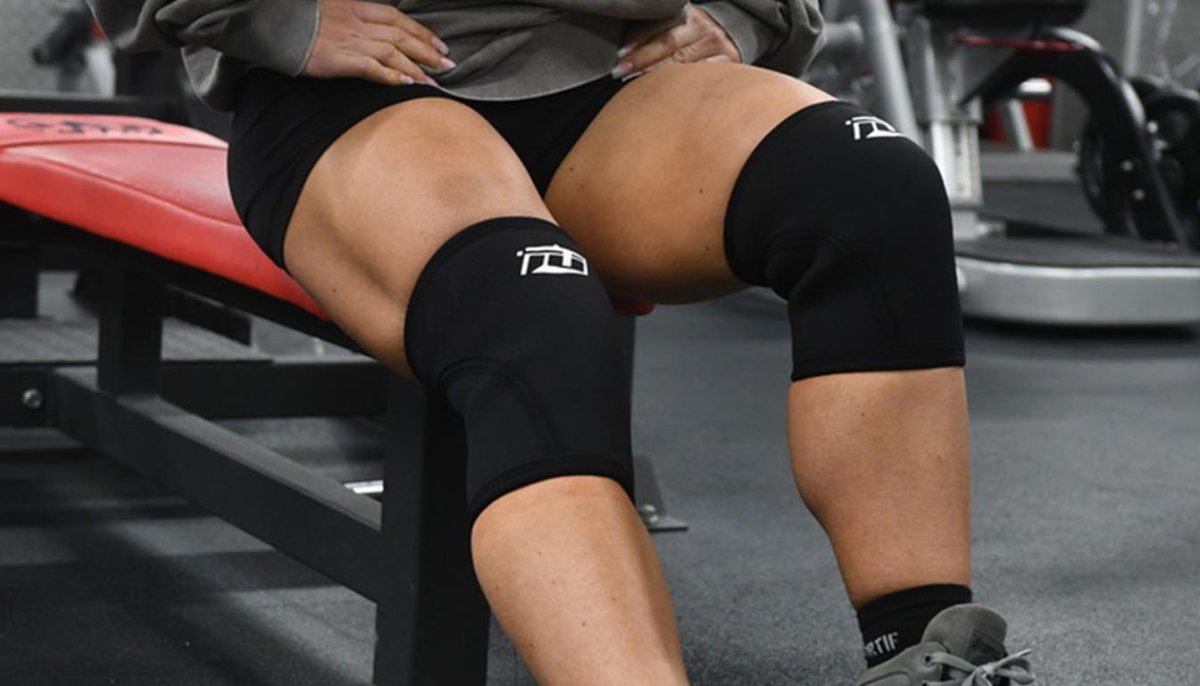
A knee sleeve is not just a piece of fabric; it's a mechanical tool that provides a calculated rebound effect when you hit the bottom of a heavy rep. If you've ever felt your confidence waver during the descent or dealt with cheap sleeves that bunch up and tear, you understand that standard gear often fails under real pressure. Selecting the right heavy duty knee sleeves for squats is about more than just keeping your joints warm. It's about creating a stable environment for your knees so you can focus entirely on the load.
We understand the grit required for serious lifting and the importance of equipment that stands up to the task. You deserve a sleeve that stays in place and offers a reliable "pop" to help you clear the sticking point without compromising safety. In this guide, we show you how heavy duty support transforms your performance, keeps your joints healthy throughout long sessions, and provides the tactical advantage you need to move heavier weights safely. We break down the technical standards for 7mm neoprene and help you find a fit that feels like a true partnership in the squat rack.
Key Takeaways
- Learn why 7mm SBR or SCR neoprene is the industry standard for static strength movements compared to thinner, lighter alternatives.
- Understand how to utilize the "rebound effect" of heavy duty knee sleeves for squats to drive through the sticking point of your heaviest lifts.
- Master the correct measuring techniques for the knee joint and calf to ensure your gear provides maximum compression without slipping.
- Identify the practical differences between a training fit and a competition fit to choose the right level of tightness for your specific goals.
- Discover professional maintenance tips to preserve the structural integrity of your neoprene and extend the lifespan of your strength gear.
What Defines Heavy Duty Knee Sleeves for Squats?
Heavy duty knee sleeves for squats are engineered for one specific purpose: maximum stability under heavy loads. While standard gym sleeves often use 3mm or 5mm neoprene for flexibility in high-intensity conditioning, heavy-duty versions utilize 7mm high-density SBR or SCR neoprene. This material is significantly more resistant to deformation. It doesn't just provide warmth; it maintains its structural shape even as you descend with significant weight. 7mm neoprene is the industry standard for competitive Powerlifting and heavy squat sessions because it balances joint compression with mechanical feedback.
To better understand the mechanics and proper application of this gear, watch this helpful video:
The Role of 7mm Neoprene in Strength Sports
The choice of 7mm thickness is a calculated standard in strength sports. Most major federations set 7mm as the maximum allowable thickness for competition to ensure a level playing field. This specific thickness provides essential lateral stability that thinner materials cannot match. High-density neoprene reduces joint shear by assisting with correct patellar tracking. Unlike thinner sleeves that might slide or bunch during a set, heavy duty knee sleeves for squats stay rigid, reinforcing the joint's natural alignment during the most taxing phases of the lift.
Anatomical Support vs. Mechanical Advantage
These sleeves do more than just wrap the joint; they provide intense proprioceptive feedback. This is your brain's ability to sense the position and movement of the knee without looking at it. During the eccentric phase of a squat, the consistent pressure from the sleeve helps you feel your depth and timing more accurately. It's vital to distinguish these from medical knee braces. While a medical brace limits motion to protect a specific injury, a performance sleeve from the joint support collection is built to support and enhance natural movement patterns under high tension. The result is a more controlled, confident descent followed by a stable drive out of the hole.
The Performance Benefits: Stability, Compression, and Rebound
High-performance lifting requires gear that does more than look the part. Utilizing heavy duty knee sleeves for squats provides a multifaceted advantage by addressing both physiological and mechanical needs. The intense compression improves blood flow and creates a psychological sense of being "locked in" before a heavy attempt. This proprioceptive feedback is essential for maintaining control during the eccentric phase, giving you the confidence to attack the weight without hesitation.
Heat Retention and Injury Prevention
Joint health depends on maintaining a consistent internal temperature. Synovial fluid acts as the joint's natural lubricant. When this fluid stays warm, it remains at the correct viscosity to protect the cartilage and surrounding tissues. Following expert advice on knee sleeve use ensures you maintain this warmth even during long rest periods between heavy sets. For lifters who prioritize joint longevity, our Heavy Duty Knee Sleeves provide the consistent thermal environment required for safe, high-volume training.
The "Pop" Out of the Hole
The primary mechanical advantage of a 7mm sleeve is the rebound effect at the bottom of the lift. As the knee joint reaches full flexion, the high-density neoprene bunches behind the knee. Because the material is designed to resist deformation, it stores elastic potential energy. When you begin the upward drive, the sleeve attempts to return to its original shape. This creates a physical "pop" that helps you clear the sticking point. Unlike thinner 3mm or 5mm sleeves that simply stretch, the structural density of a heavy-duty sleeve provides a tangible assist during your heaviest reps.
- Lateral Stability: The physical presence of the sleeve acts as a tactile cue to prevent knee cave (valgus) by encouraging you to drive your knees out.
- Inflammation Control: Consistent pressure helps manage swelling and fluid buildup during and after your session.
- Mental Sharpness: The sensation of compression signals to the nervous system that the joint is supported, allowing for better focus on the load.
Sizing and Fit: Getting the Most from Your Heavy Duty Sleeves
Finding the correct size is the most critical step in maximizing the performance of your heavy duty knee sleeves for squats. A sleeve that is too loose fails to provide the mechanical rebound described earlier, while one that is excessively tight can cause numbness and distract from your technique. To get the most out of your gear, you must understand the distinction between a standard training fit and an aggressive competition fit. Vague sizing charts often lead to poor performance, so precision is your priority here.
Measuring for Success
Accuracy starts with a flexible measuring tape. Straighten your leg and measure the circumference of the center of your knee joint at its widest point. Next, measure the widest part of your calf. Many lifters overlook the calf measurement, but it is the "secret" variable that determines if the sleeve will actually slide over your lower leg. If your calf is significantly larger than your knee joint, use the larger measurement to select your size. This ensures the sleeve doesn't get stuck halfway up your leg during your warm-up, which is a common issue with high-density 7mm neoprene.
When to Size Down
Experienced lifters often size down to achieve an aggressive fit for maximal squat attempts. This increases the tension of the neoprene, resulting in a more powerful "pop" out of the hole. However, this comes with trade-offs. An ultra-tight fit can restrict circulation and should only be worn during your heaviest sets. Beginners should always stick to a true-to-size fit according to the manufacturer's chart. This provides the necessary support and joint warmth without the risk of circulation issues or extreme discomfort. If you've chosen an aggressive fit, using thin leggings or the "plastic bag trick" (sliding the sleeve over a plastic bag on your foot) can help the material glide over your skin.
- Check for Numbness: If you feel tingling or a loss of sensation in your feet, your sleeves are too tight. Remove them immediately to restore blood flow.
- Monitor Bunching: Excessive bunching behind the knee indicates the sleeve may be too long or too loose for your limb proportions.
- Assess Compression: A proper fit should feel very snug but shouldn't require more than two minutes of physical effort to pull into place.
For a reliable fit that balances elite support with practical usability, view the sizing guide on our Heavy Duty Knee Sleeves product page.
Maintenance and Gear Integration for Professional Lifters
Proper maintenance preserves the density and elasticity of your heavy duty knee sleeves for squats. High-density materials require specific care to prevent the breakdown of the SBR core. Never use a tumble dryer. The intense heat causes the neoprene to become brittle and lose its compressive force. Instead, always air dry your sleeves away from direct sunlight. This ensures the material retains its resistance against deformation during heavy sets.
Combatting the "Sleeve Stink"
Sweat and bacteria trapped in the fabric lead to persistent odors. Turn your sleeves inside out after every session to allow the inner lining to breathe. For daily care, use a light antimicrobial spray. When a deep clean is necessary, soak the sleeves in a solution of cool water and distilled vinegar. This method removes bacteria without damaging the reinforced seams. Avoid harsh detergents or bleach, as these chemical agents accelerate the degradation of the neoprene's cell structure.
Building Your Professional Lifting Kit
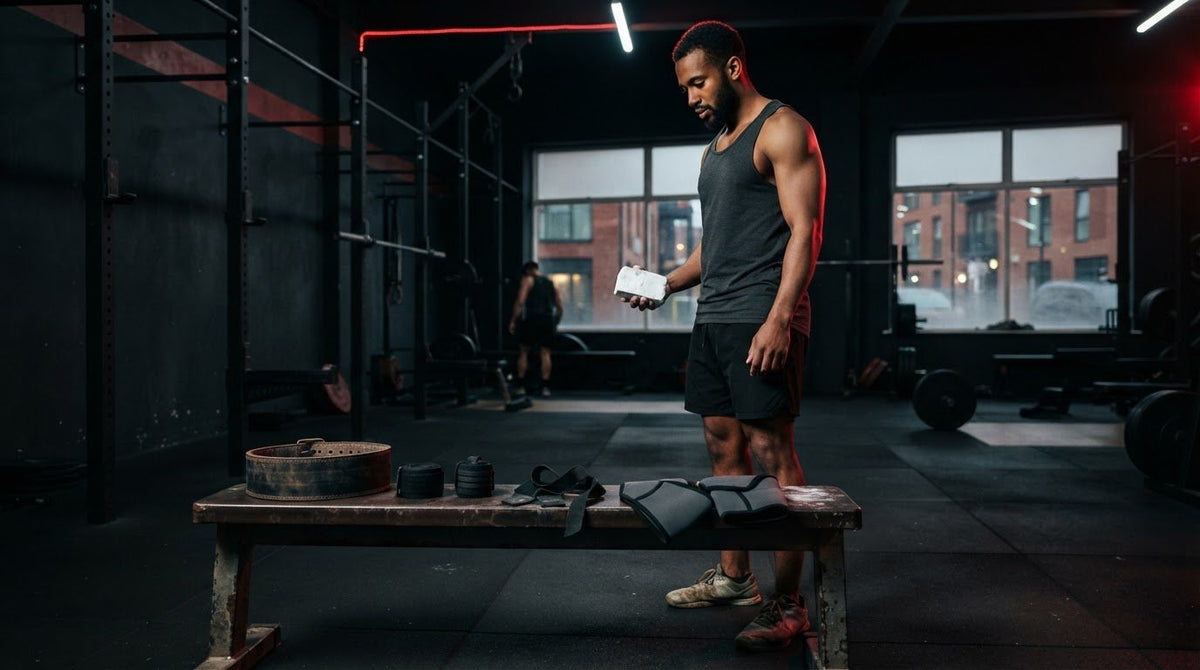
Professional lifters don't view gear in isolation. Your sleeves should function as part of a total stability system. Pairing your sleeves with Weight Lifting Belts creates a dual-support environment for both the core and the lower body. This combination ensures maximum intra-abdominal pressure and joint stability during heavy attempts. It helps you maintain better posture throughout the entire range of motion.
Many experienced athletes also integrate Wrist Wraps into their squat sessions. While the sleeves manage the lower chain, wraps help maintain total body tension by stabilizing the wrist under the barbell. This holistic approach to Industry Strength Gear allows you to push toward new personal records with reduced injury risk. At Team Industry UK, we design our products for the specific demands of the UK strength community. We provide reliable, high-standard tools that withstand the reality of heavy, labor-intensive training.
Maximize Your Squat Potential with Professional Support
Investing in high-quality gear is a commitment to your long-term progress and joint health. You now understand how 7mm high-density neoprene provides the mechanical rebound necessary to clear sticking points and how precise measuring ensures a stable, safe fit. By following professional maintenance standards like air drying and vinegar soaks, you can protect the structural integrity of your equipment for years of heavy training. This specialized gear isn't just an accessory; it's a tool for operational excellence in the squat rack.
Our heavy duty knee sleeves for squats are built for lifters who demand reliability under maximum tension. These sleeves are frequently used by competitive UK Powerlifters and Strongmen because they feature reinforced stitching and high-density neoprene designed for maximum rebound. We understand the grit required in the strength world, and our gear reflects that dedication to durability and performance. When you're ready to stabilize your movement and move heavier loads safely, choose equipment that works as hard as you do.
Upgrade your squat with Team Industry UK Heavy Duty Knee Sleeves and step into your next session with total confidence. Keep pushing for that next personal record.
Frequently Asked Questions
Do knee sleeves actually help you squat more weight?
Knee sleeves help you squat more weight by providing a mechanical rebound at the bottom of the lift. The high-density neoprene bunches behind the joint as you reach full depth, storing elastic energy that assists your initial drive out of the hole. While they don't replace raw strength, the increased joint stability and proprioceptive feedback often allow lifters to handle heavier loads with greater confidence and better technique.
Should I buy 5mm or 7mm knee sleeves for powerlifting?
You should choose 7mm sleeves for powerlifting because they offer the maximum support and compression allowed by international federations. A 5mm sleeve is better suited for dynamic movements like those found in CrossFit where flexibility is a priority. For static strength movements, heavy duty knee sleeves for squats with a 7mm thickness provide the lateral stability required to manage heavy axial loads safely.
How tight should my heavy-duty knee sleeves be?
Your sleeves should feel very snug and require a focused effort to pull into position. A proper fit shouldn't take more than two minutes to put on, but it shouldn't slide on as easily as a sock. If you experience numbness, tingling, or a loss of sensation in your feet, the sleeves are too tight and you should remove them immediately to restore proper circulation.
Can I wear knee sleeves for the entire workout or just for squats?
It's best to wear your sleeves specifically for your squatting movements and heavy accessory work. Keeping them on for a full two-hour session can lead to skin irritation and excessive moisture buildup. Many experienced lifters pull their sleeves down to their ankles between sets. This practice maintains joint warmth while allowing for better blood flow during rest periods throughout your training session.
How often should I replace my 7mm neoprene sleeves?
Most dedicated lifters replace their sleeves every 12 to 24 months depending on their training volume and how well they maintain the gear. You'll know it's time for an upgrade when the neoprene loses its original "snap" or the seams begin to show signs of structural failure. Our Heavy Duty Knee Sleeves use reinforced stitching to ensure they stand up to the grit of heavy, long-term use.
Share:
Tactical Gym Backpack: The Ultimate Gear Organiser for UK Strength Athletes
Best Lifting Gear for Bodybuilding: The 2026 Essential Guide