

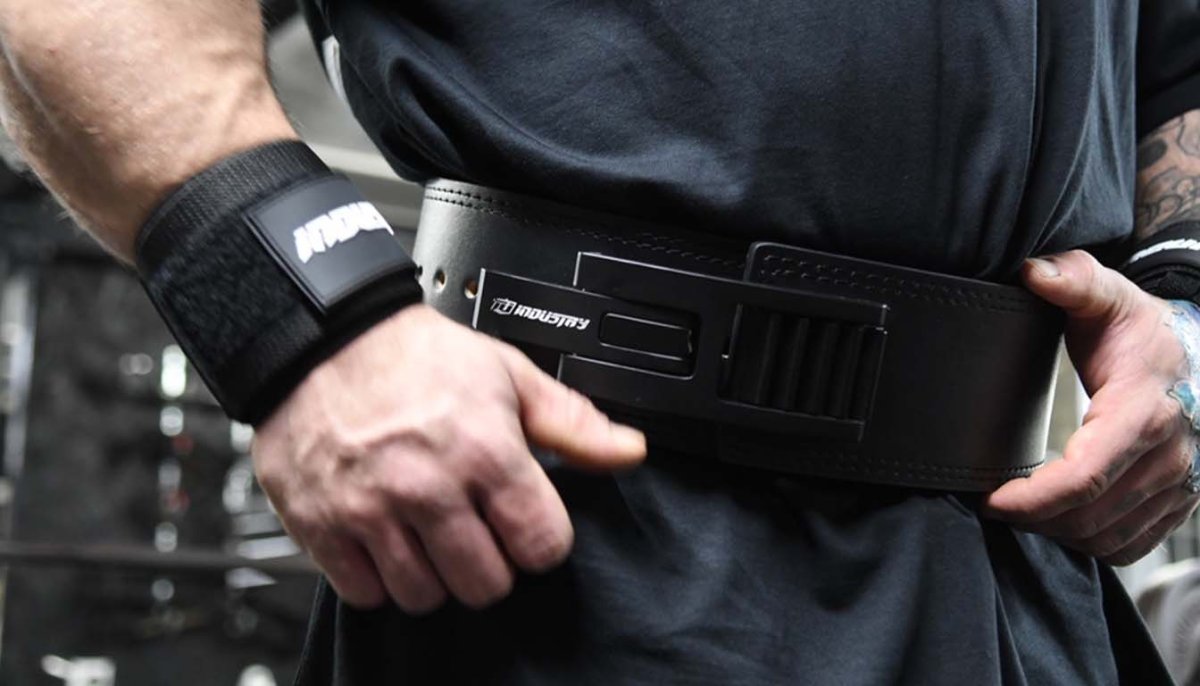
A 13mm lever belt isn't just a piece of equipment; it's an immovable wall designed for your core to push against when the weight on the bar starts to feel heavy. You've likely felt that unsettling moment during a heavy triple where a standard 10mm belt starts to flex, leaving you feeling exposed under a 200kg load. It's frustrating when equipment limits your potential or when prong belts fail to provide the consistent, tight fit required for maximum bracing.
We'll show you why the 13mm lever belt is the gold standard for serious powerlifters and how to leverage its rigid structure to hit your next personal best. This guide covers everything from proper bracing techniques to the specific benefits of choosing a professional-grade leather belt for lifelong durability. You'll gain the technical knowledge required to maximize intra-abdominal pressure and ensure every heavy set feels as stable as the last. It's time to stop worrying about your gear and start focusing on the lift.
Key Takeaways
- Learn how the maximum allowable thickness creates the necessary intra-abdominal pressure to stabilize your spine during heavy compound movements.
- Identify which lifts benefit most from maximum rigidity and why 10mm alternatives might be better suited for specific movements like the bench press.
- Master the correct way to measure your waist for a precision fit and learn how to adjust the lever plate to accommodate bodyweight fluctuations.
- Explore the technical specifications of the Team Industry 13mm Lever Belt and how its professional-grade construction ensures lifelong reliability.
The Science of Support: Why 13mm Lever Belts Matter
The 13mm lever belt represents the maximum allowable thickness in most powerlifting federations. While a 10mm belt offers versatility, the 13mm version is designed for absolute rigidity. It's the standard for athletes moving toward maximal loads in the squat and deadlift. Many intermediate lifters make the switch to a 13mm lever belt once they realise their current belt feels too flexible under 200kg+ loads. At this level, gear must provide a predictable surface that won't deform under heavy pressure.
Understanding Intra-Abdominal Pressure
Effective bracing relies on the Valsalva manoeuvre. You take a deep breath into your belly and hold it to create internal tension. A Weightlifting belt acts as an external wall for your core muscles to push against. The 13mm leather provides a firm proprioceptive cue; it helps you feel exactly where your midsection is in space. This increased resistance allows you to generate higher levels of intra-abdominal pressure (IAP), which directly stabilises the spine during heavy compound movements. This stability is what keeps your torso upright when the weight tries to fold you forward.
The Lever Advantage: Speed and Consistency
Consistency is vital for technical precision. Unlike prong belts, which can be difficult to cinch to the same hole when you're fatigued, the lever mechanism ensures an identical fit every time. You set the plate once and click into place. This repeatability means your bracing mechanics remain predictable across every set. When you use a 13mm Lever Belt, you also gain the benefit of a quick-release. You can instantly unbuckle after a maximal effort. This allows for immediate recovery between heavy triples or singles. This no-nonsense efficiency is why serious lifters prefer the lever system for both competition and training.
13Mm vs 10mm: Choosing the Right Thickness for Your Lift
Choosing between 10mm and 13mm comes down to your specific training goals and current strength levels. A 10mm belt offers enough flexibility for most general gym work, but it can feel like it's stretching when you're moving elite-level weights. In contrast, the 13mm lever belt provides absolute rigidity. This thickness is the standard for heavyweight powerlifters because it doesn't deform under several hundred kilograms of pressure. While some lifters worry about the belt "digging in," this is usually a temporary break-in issue. Once the leather softens, the peak support far outweighs any initial discomfort.
When to Make the Switch to 13mm
You should consider upgrading your gear if you meet specific criteria. Ask yourself these questions:
- Are you squatting or deadlifting more than twice your bodyweight?
- Does your current 10mm belt feel unstable during your heaviest sets?
- Is your primary focus competitive powerlifting?
Body proportions also play a role. Lifters with a shorter torso might find the 13mm width more restrictive against the ribs or hips, while those with a longer torso often appreciate the extra surface area. A literature review on lifting belts suggests that the primary benefit is increased intra-abdominal pressure, which is more effectively achieved with a rigid, non-compliant material.
Performance Trade-offs
The 13mm thickness offers a larger "wall" for bracing but reduces mobility for dynamic movements. This makes it ideal for the squat and deadlift, whereas a thinner belt might be preferred for the bench press or Olympic lifting where back arch or bar clearance is essential. The sweet spot for a lifter's first professional belt is often a high-quality 10mm, but serious strength athletes eventually require the uncompromising stability of a thicker option. If you're ready for that level of support, you can find a reliable 13mm lever belt at Team Industry to anchor your heaviest sessions.
Mastering the Fit: Sizing and Breaking In Your Belt
Measuring for a 13mm lever belt requires more precision than buying a pair of jeans. Your trouser size is irrelevant here because the belt sits higher on the torso. Use a flexible tape measure around your navel while keeping your midsection relaxed. This measurement ensures you select a size that leaves room for adjustment in both directions. If you're between sizes, consider whether you're currently in a gaining or cutting phase to ensure the lever plate remains centered. You can view all Team Industry Lifting Belts and their specific sizing charts to confirm your choice.
Once you've mounted the lever, use the "one-finger rule" to test the tightness. You should be able to slide one finger between your relaxed stomach and the leather. This gap allows you to take a full diaphragmatic breath before you lock the lever into place. If it's too tight, you won't be able to achieve a full brace; if it's too loose, you lose the stability benefits required for maximal loads. Remember to adjust the plate if you switch from lifting in a t-shirt to a thick hoodie, as even a few millimeters can change your bracing feel.
The Professional Break-In Process
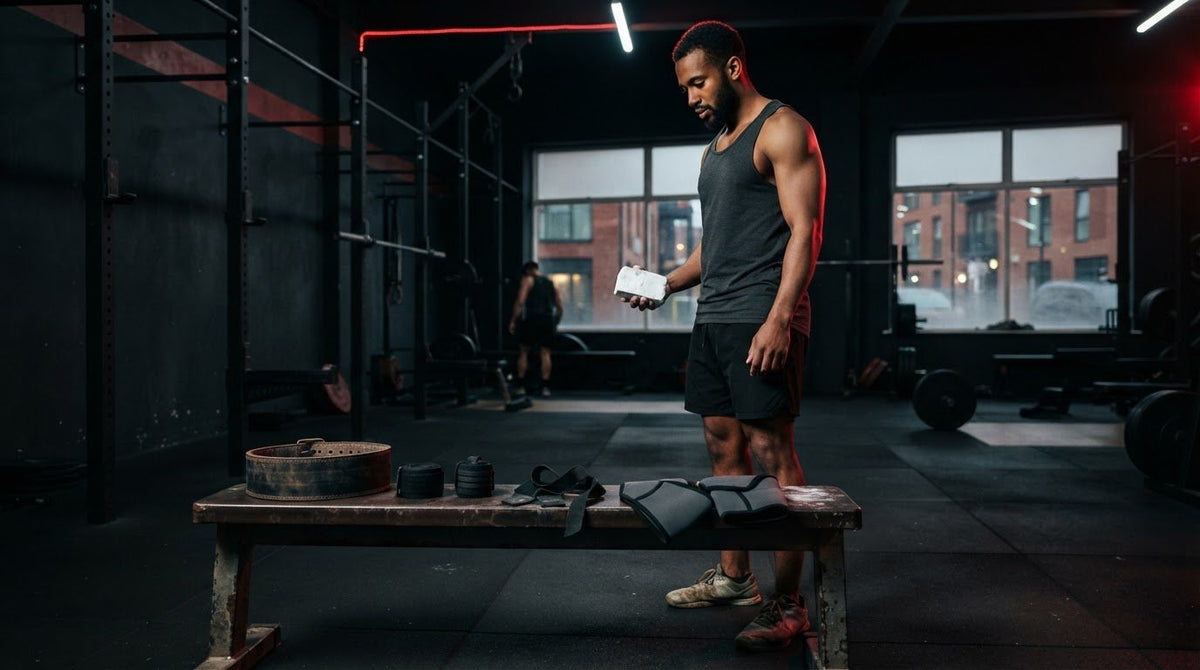
A new 13mm belt is naturally stiff. You might find it difficult to lock the lever during your first few sessions, but don't resort to using oils or chemical conditioners. These substances can seep into the leather fibers and compromise the belt's structural integrity over time. Instead, manually roll the belt in both directions and wear it during every warm-up set. This mechanical break-in process allows the leather to mold to your specific hip and rib anatomy without losing its essential rigidity.
Lever Maintenance and Care
Safety depends on the integrity of your hardware. Periodically inspect the screws on your lever plate to ensure they haven't vibrated loose during transport or training. Tighten them firmly with a screwdriver every few weeks to prevent a mid-lift failure. For belts with a suede lining, use a soft-bristled brush to remove excess chalk and sweat. This simple maintenance prevents moisture build-up and keeps your gear in top condition. If you're ready to upgrade your equipment, check out our professional-grade 13mm Lever Belt today.
Why the Team Industry 13mm Lever Belt is the Lifter's Choice
The Team Industry 13mm Lever Belt is engineered for the specific demands of competitive powerlifting. It avoids flashy marketing in favor of a pragmatic, high-standard construction that won't fail under several hundred kilograms of pressure. Made from 100% genuine leather with a durable suede inner layer, this belt provides the absolute rigidity required for world-class performance. It's the same equipment trusted by elite athletes like Lucy Underdown for her 325kg World Record deadlift. This level of dependability reflects our commitment to the UK strength community and our focus on operational excellence in gear manufacturing.
Built for the Grit of Strength Sports
Our hardware is selected for its ability to withstand the repetitive stress of heavy triples and max attempts. We understand that gear failure isn't just an inconvenience; it's a safety risk. By keeping the design functional and the materials professional-grade, we ensure the lever mechanism remains secure throughout the life of the belt. This gear is built by lifters who understand the reality of the platform. We focus on providing a reliable partner for your training journey, ensuring you have the stability needed to hit your next personal best without second-guessing your equipment.
Completing Your Professional Set-up
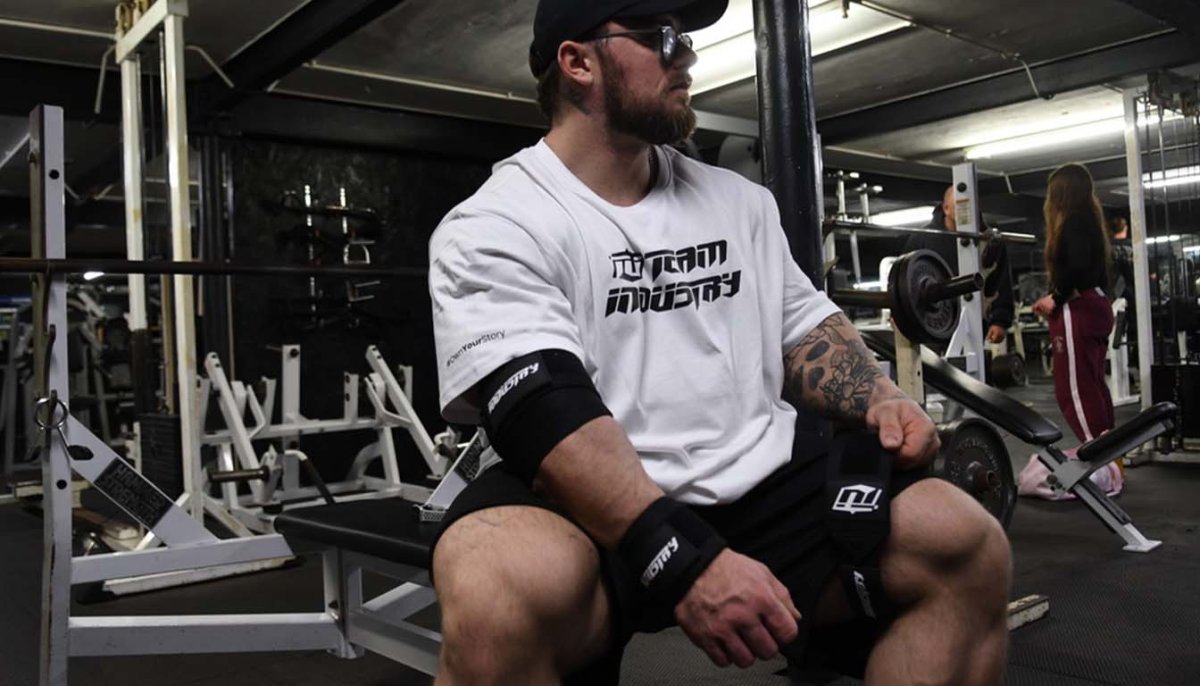
While the 13mm lever belt anchors your core, other supports are essential for a complete competition toolkit. Pairing your belt with Heavy Duty Knee Sleeves provides additional joint compression during deep squats. For accessory work or volume deadlifts where grip might fatigue before your back, consider using Lifting Straps. You can find technical advice on choosing between different strap styles in our guide on Mastering Your Pull. Investing in a cohesive set of high-quality gear ensures consistency across every movement in your program.
Elevate Your Performance on the Platform
Choosing professional-grade equipment is a strategic investment in your lifting career. By providing maximum rigidity, this setup allows you to generate the intra-abdominal pressure needed to stabilize your spine under elite-level loads. You've learned that while the break-in process requires patience, the resulting custom fit and uncompromising support are essential for anyone squatting or deadlifting beyond twice their bodyweight. Consistency in your bracing mechanics leads to more predictable sets and fewer technical breakdowns during maximal attempts.
Our commitment to the UK strength community ensures that every piece of gear we produce meets the highest standards of durability and performance. Don't let flexible equipment limit your potential when the weights get heavy. It's time to anchor your core with a tool designed for the grit of powerlifting and strongman. Secure your PRs with the Team Industry 13mm Lever Belt and step onto the platform with total confidence. Your next personal best is waiting for you.
Frequently Asked Questions
Is a 13mm lever belt legal for powerlifting competitions?
Yes, a 13mm lever belt is legal in most powerlifting federations, including the IPF. Technical regulations generally specify that a belt must not exceed 13mm in thickness and 10cm in width. You should always check the specific approved brands list for your federation before a competition. Using a professional-grade 13mm lever belt ensures you meet these technical standards while gaining the maximum support allowed under the rules.
How tight should a 13mm lever belt be for squats?
Your belt should be tight enough to provide a solid wall for bracing but loose enough to allow a full diaphragmatic breath. A practical standard is the "one-finger rule," where you can slide a finger between your relaxed torso and the leather. For squats, this gap ensures you can expand your midsection into the belt to create maximum intra-abdominal pressure without restricting your movement or breathing during the lift.
Can I use a 13mm lever belt for deadlifts if I have a short torso?
You can use a 13mm belt with a short torso, but you might need to adjust its positioning. If the standard width digs into your ribs or hips during the setup, try wearing the belt slightly higher on your stomach. Many athletes find that a 13mm lever belt provides superior support for the deadlift, though it may take some experimentation to find a placement that doesn't interfere with your starting position.
What is the difference between a lever belt and a prong belt?
The main difference lies in the fastening mechanism and consistency. A lever belt uses a metal plate that locks into a preset position, providing the exact same level of tightness every time you train. In contrast, prong belts function like a standard trouser belt and can be difficult to cinch tightly when you're fatigued. Lever systems also offer a quick-release feature, allowing you to unbuckle instantly after a heavy effort for faster recovery.
How long does it take to break in a 13mm leather belt?
Breaking in a high-quality 13mm leather belt typically takes two to four weeks of regular training. Since the leather is thick and rigid, it needs time to mold to your body's specific contours. You can speed up this process by wearing the belt during your warm-up sets and manually rolling the leather in both directions. Avoid using oils or conditioners, as these can soften the fibers too much and reduce the structural support.
Share:
The Oversized Gym T-Shirt: Why Heavyweight Fit is the Lifter’s Standard
Are Expensive Knee Sleeves Worth It? A Professional Guide to Gym Gear ROI