

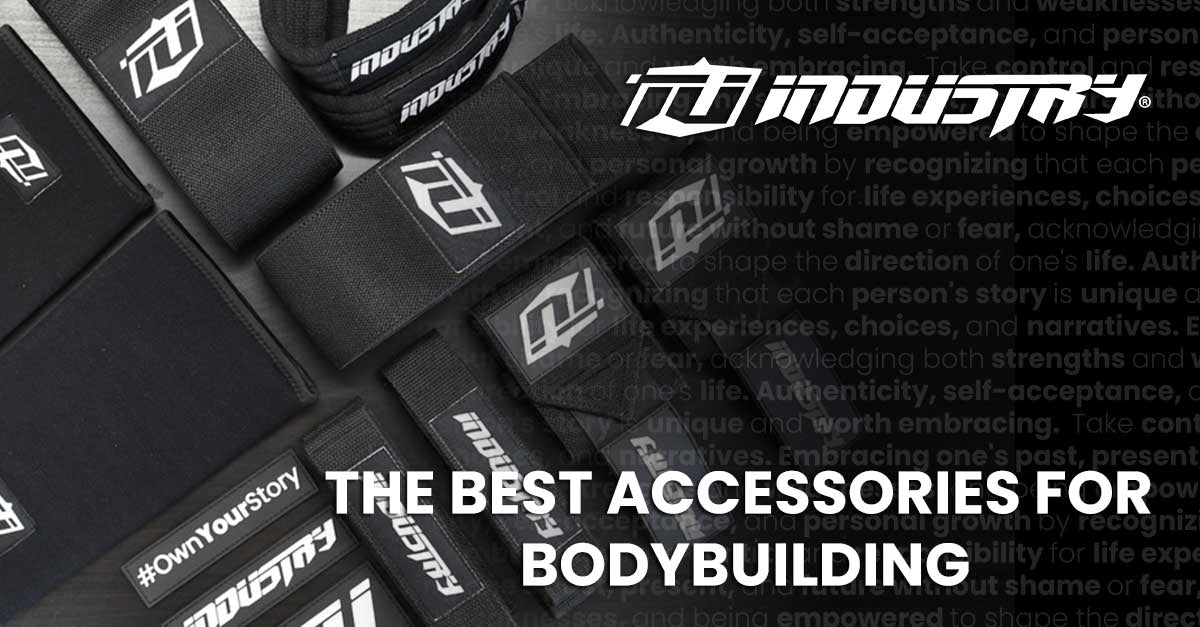
The Best Accessories for Bodybuilding: Knee Sleeves, Wrist Wraps, Elbow Sleeves & More
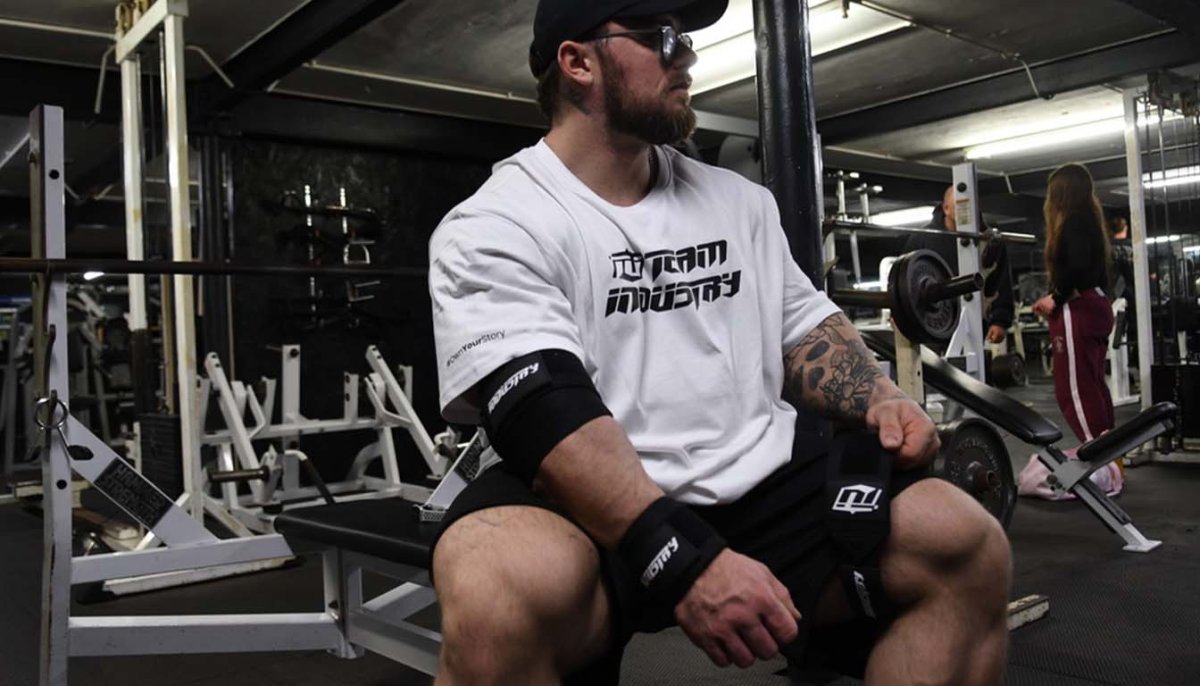
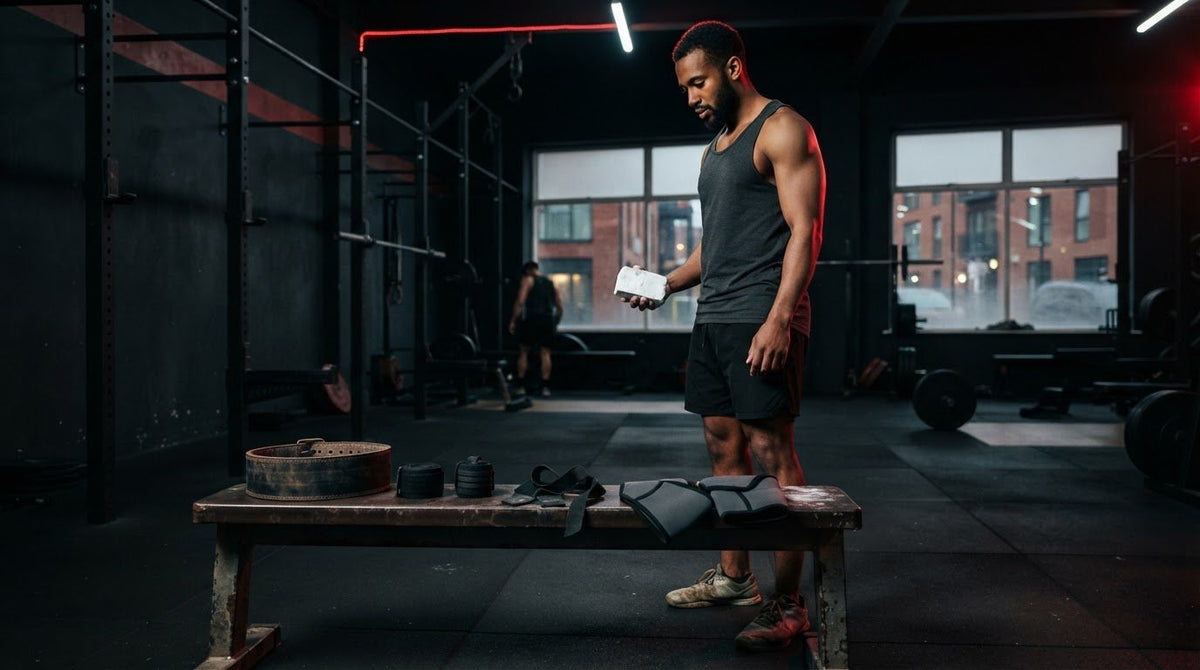
Bodybuilding isn’t just about lifting heavier weights or getting bigger — it's also about training smart, protecting your joints, and extending your lifting career. Whether you're a seasoned lifter or just starting out, the right accessories can make a major difference in performance, injury prevention, and recovery. In this post, we’ll break down the most essential bodybuilding accessories from Team Industry — like knee sleeves, wrist wraps, and elbow sleeves — and when to use them.
1. Knee Sleeves: Support and Stability
Purpose: Knee sleeves provide compression, warmth, and stability to the knee joint. They don’t act like braces (which restrict movement) but rather enhance blood flow and proprioception (awareness of joint position).
When to Use:
-
During squats, leg presses, or any heavy leg day movements
-
If you’ve experienced minor knee discomfort or want to avoid it
-
To keep your knees warm and mobile throughout a workout
Best For:
-
Lifters going heavy (above 70% of 1RM)
-
Those with joint stiffness or occasional knee pain
-
Competitive athletes (especially powerlifters or strongmen)
Tip: Look for 7mm thick neoprene sleeves for maximum support, or 5mm for general training and mobility work.
Team Industry Knee Sleeves - https://teamindustry.co.uk/collections/joint-support
2. Wrist Wraps: Wrist Protection Under Load
Purpose: Wrist wraps stabilise the wrist joint, particularly during pressing or overhead movements where the wrists bear high loads in an extended position.
When to Use:
-
Bench press, overhead press, or heavy dumbbell pressing
-
During high-volume or heavy training blocks
-
If you have previous wrist issues or weakness
Best For:
-
Bodybuilders doing frequent pressing
-
Anyone with wrist pain during lifts
-
Lifters using thick or unstable bars (like axle bars)
Tip: Avoid relying on wraps for every light set. Use them selectively to avoid weakening the surrounding muscles and tendons.
Team Industry Wrist Wraps - https://teamindustry.co.uk/collections/all-wrist-wraps
3. Elbow Sleeves: Warmth and Compression
Purpose: Like knee sleeves, elbow sleeves provide warmth and support, reducing strain on the elbow joint during pushing movements.
When to Use:
-
On push days (bench press, dips, skull crushers)
-
During rehab for tendonitis or “golfer’s elbow”
-
As a warm-up or support tool for aging joints
Best For:
-
Lifters over 30, or those with wear and tear on elbows
-
Anyone doing high-volume arm training
-
Preventing joint irritation during isolation exercises
Tip: Elbow sleeves should be snug but not constrictive. Too tight and they’ll limit movement or cause discomfort.
Team Industry Elbow Sleeves - https://teamindustry.co.uk/collections/joint-support
4. Lifting Straps: Grip Assistance
Purpose: Straps help when your grip fails before your muscles do — especially on heavy pulls or high-rep back work.
When to Use:
-
Deadlifts, rows, lat pulldowns, shrugs
-
When training to failure and grip fatigue limits performance
Best For:
-
Building back without grip limiting factor
-
Reducing forearm overuse injuries
-
Bodybuilders in hypertrophy phases
Tip: Use straps strategically — not for every lift — to still build grip strength where it matters.
Team Industry Weight Lifting Straps - https://teamindustry.co.uk/collections/lifting-straps
5. Weightlifting Belt: Core Reinforcement
Purpose: A lifting belt increases intra-abdominal pressure, which can stabilise your spine and improve power output in compound lifts.
When to Use:
-
Squats, deadlifts, overhead press — especially at 80–90% of 1RM+
-
When bracing technique is solid and the belt adds to it, not replaces it
Best For:
-
Intermediate and advanced lifters
-
Those pushing heavy compound lifts
-
Lifters with long torsos or lower back issues
Tip: Learn to brace correctly before using a belt. It's a tool, not a crutch.
Team Industry Weight Lifting Belts - https://teamindustry.co.uk/collections/weight-lifting-belts
Final Thoughts: Train Smarter, Not Just Harder
Accessories aren't magic. They won’t fix poor technique or substitute for proper recovery — but they can help you train harder, recover better, and stay injury-free. Invest in the right gear based on your goals, training style, and current needs.
Start simple: If you’re a beginner, wrist wraps and lifting straps are usually enough. As your strength grows, you can gradually add more tools like belts or sleeves based on how your body responds.
Share:
The Benefits of Smelling Salts for Weightlifting: A Deep Dive into the Hype
Wrist Wraps for Weightlifting: Benefits, Uses & Best Wrist Support for the Gym