

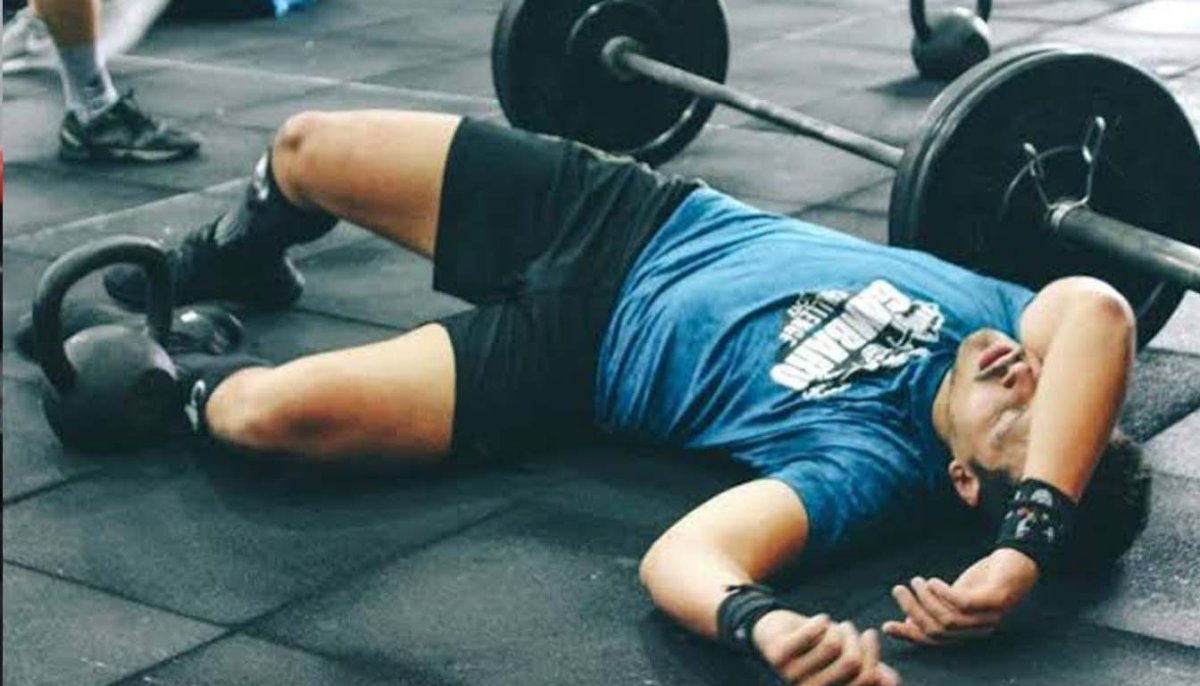
Research indicates that approximately 30% of non-elite athletes and up to 60% of elite competitors will struggle with non-functional overreaching at some stage. If you're consistently hitting the platform but finding your strength has plateaued or your sleep quality has plummeted, you are likely seeing the early signs of overtraining in strength sports. It's a frustrating position to be in, especially when you've put in the work and expect to see progress. We know the dedication it takes to maintain a heavy training cycle, but pushing through systemic exhaustion without a plan is a recipe for injury.
The goal is to ensure your hard work translates to measurable results. This guide will help you identify the subtle red flags of overtraining and implement a professional recovery strategy to protect your gains and longevity. We'll explore how to use data like the acute-to-chronic workload ratio to monitor your stress, how to structure a proper deload, and how professional gear can assist in joint protection during high-volume phases. It's time to move past the burnout and get back to making sustainable progress.
Key Takeaways
- Learn to distinguish between temporary fatigue and the systemic signs of overtraining in strength sports to prevent long-term burnout.
- Identify critical indicators like RPE misalignment and persistent strength regression that signal your body needs a tactical break.
- Understand why the Central Nervous System (CNS) requires more recovery time than muscle tissue and how this affects your power output.
- Implement a professional deload strategy that reduces volume while maintaining technical skill and muscle mass.
- Discover how to use active recovery and professional gear to protect your joints and support your mental health during rest periods.
What is Overtraining in Strength Sports?
Understanding the Overtraining spectrum is essential for any serious lifter who wants to stay in the game for the long haul. Overtraining is a maladapted response to excessive training volume without adequate physiological rest. While many athletes believe that progress is linear, the reality of high-intensity strength training is far more complex. When you ignore the early signs of overtraining in strength sports, you risk moving from productive fatigue into a state of systemic burnout that can take months to resolve.
Strength athletes are uniquely susceptible to this condition because of the high-percentage 1RM (one-rep max) training required for powerlifting and strongman. Lifting near your maximum capacity places immense stress on the central nervous system and structural tissues. The "More is Better" fallacy often traps dedicated lifters into thinking that adding more sets or intensity will break a plateau. In reality, this approach often leads to diminishing returns. It's difficult to step back when your mindset is geared toward constant progression, but intensity without recovery is simply a path to regression.
To better understand this concept, watch this helpful video:
Functional vs. Non-Functional Overreaching
There is a fine line between progress and regression. Functional overreaching is a planned phase where you intentionally push beyond your normal limits to trigger a "supercompensation" peak, which is common in a peaking block before a competition. However, when this fatigue becomes non-functional, your progress stops and injury risk spikes. At this tipping point, your body can no longer adapt to the stimulus. You begin to accumulate a recovery debt that can't be cleared with a single rest day.
The Strength Athlete's Recovery Debt
Heavy compound movements like squats and deadlifts tax the body far differently than isolation work. These lifts require massive muscular recruitment and put significant strain on the endocrine system. Constant exposure to heavy loads without using tools like Heavy Duty Knee Sleeves for joint protection can lead to cumulative damage. Over time, this stress impacts your hormone levels, specifically your cortisol-to-testosterone ratio. Maintaining your longevity means acknowledging that professional gear is about protecting your future performance, not just grinding through today's session.
The 7 Red Flags: Identifying Overtraining Symptoms
Recognizing the early signs of overtraining in strength sports involves looking beyond simple muscle soreness. It requires a pragmatic assessment of your performance data and physical state. One of the most telling indicators is persistent strength regression. If your usual 80% effort suddenly feels like an RPE 9.5 or a true maximum effort, your body isn't recovering between sessions. This RPE misalignment is a clear signal that your central nervous system is overtaxed and unable to recruit motor units effectively.
Systemic fatigue is another major red flag. If you wake up feeling exhausted despite getting eight hours of sleep, your recovery capacity is likely exceeded. You should also monitor your grip strength. A weak handshake or a sudden inability to hold onto sub-maximal loads often points to a "fried" nervous system. Additionally, tracking your resting heart rate can provide objective data. A consistent increase of 5 to 10 beats per minute over your baseline suggests your body is stuck in a sympathetic "fight or flight" state.
Psychological and Hormonal Warning Signs
A sudden loss of "training drive" is a significant psychological marker. When you no longer look forward to heavy sessions or find yourself dreading the platform, it's often a hormonal response to chronic stress. Elevated cortisol levels can interfere with muscle retention and strength gains while causing unexplained weight fluctuations and changes in appetite. These signs of overtraining suggest your endocrine system is under heavy fire and needs an immediate reduction in training load.
Physical Aches vs. Impending Injury
It's vital to distinguish between normal training "niggles" and signs of impending injury. Persistent pain in the knees, lower back, or wrists that doesn't resolve with thorough warm-ups needs attention. While using Heavy Duty Knee Sleeves provides essential joint protection during high-volume phases, don't use them to mask an actual injury that requires rest. To ensure your longevity on the platform, consider investing in professional-grade recovery gear that supports your joints without compromising your movement patterns.
The Science of CNS Fatigue and Strength Plateaus
While muscle soreness is easy to identify, the neurological signs of overtraining in strength sports are often invisible until your performance craters. Muscle tissue typically recovers within 48 to 72 hours, but the Central Nervous System (CNS) can take significantly longer to return to baseline. Your CNS is the electrical system that fires your muscles. When it's overtaxed, the neural drive to your motor units diminishes. This results in a lack of "pop" or explosiveness, even if your muscles feel physically ready to lift.
Chronic overtraining eventually blunts the "fight or flight" response required for maximal effort. Heavy lifting relies on a surge of adrenaline and the efficient recruitment of high-threshold motor units. When neurotransmitters like dopamine and acetylcholine are depleted, your ability to generate force drops. Heavy spinal loading from movements like deadlifts and squats creates a systemic fatigue that isolation work simply cannot match. If you're constantly pushing near your 1RM, you're accumulating neural fatigue that a single rest day won't fix. Monitoring these signs of overtraining is critical for avoiding a total systemic shutdown.
Why Your Bench Press is Stalling
CNS fatigue often manifests as a loss of technical proficiency. On the bench press, this might look like a shaky bar path or an inability to maintain total-body tension. When your nervous system is fried, your coordination suffers, making heavy loads feel unstable. If you're struggling with technique despite years of experience, check out The Ultimate Bench Press Guide to see if your form is breaking down due to fatigue. Using professional Wrist Wraps can help provide the structural support needed when your stability starts to waver.
Hormonal Disruption in Lifters
The relationship between testosterone and cortisol is a primary marker for your anabolic state. Overtraining shifts this ratio toward cortisol, which is catabolic and breaks down muscle tissue. This hormonal imbalance often mimics the symptoms of low testosterone, including reduced strength, poor mood, and slow recovery. To protect your spine and reduce systemic strain during heavy sets, ensure you're using a Lever Belt to maintain intra-abdominal pressure and support your lifting longevity.
Strategic Recovery: How to Bounce Back Without Losing Gains
Once you identify the signs of overtraining in strength sports, your priority must shift from raw intensity to tactical recovery. Continuing to push through systemic exhaustion only deepens your performance deficit. However, total inactivity is often counterproductive. Active recovery, involving light movement or low-intensity steady-state cardio, promotes blood flow and aids in the removal of metabolic waste without further taxing your nervous system. Pair this with a focus on high-quality protein and micronutrients to repair tissue and restore hormonal balance.
Managing joint stress is a proactive part of recovery. Using professional tools like Weight Lifting Belts and Wrist Wraps during high-volume training blocks can prevent the mechanical wear that leads to chronic pain. Recovery is about longevity, not just hitting a single PR. By reducing the physical toll on your structure, you can extend your training cycles before a deload becomes mandatory.
Implementing a Professional Deload
A structured deload is the most effective way to allow for supercompensation. We recommend the 50/50 rule: reduce your total sets and your working weight by approximately 50% for one week. This maintains your technical skill and "greases the groove" without adding to your fatigue debt. In cases of severe non-functional overreaching, completely stepping away from the barbell for seven days might be necessary to reset your endocrine system.
Gear and Apparel for the Recovery Phase
Your choice of equipment can significantly impact your recovery capacity. During lower-intensity sessions, Industry Oversized Tees provide the comfort needed for the mental side of rest days. On accessory days, using Lifting Straps is a smart tactical move. These reduce the grip demand on your hands, which directly lowers the tax on your central nervous system. For a deeper look at how to use these tools effectively, read our guide on Mastering Your Pull: The Ultimate Guide to Lifting Straps. Professional gear exists to support your training, but smart recovery ensures you can keep using it for years to come.
Secure Your Long-Term Strength Progress
Effective training isn't just about the weight on the bar today. It's about your ability to return to the platform tomorrow. By monitoring the signs of overtraining in strength sports, you transition from a reactive lifter to a proactive athlete. Neurological fatigue takes longer to clear than muscle soreness. This makes structured deloads and objective biometric tracking essential for breaking plateaus. Prioritizing your recovery ensures every heavy set builds toward progress rather than digging a deeper fatigue debt.
Team Industry is a UK-based brand dedicated to the strength community. Our professional-grade equipment is inspired by the rigours of Strongman, Bodybuilding, and Powerlifting. Every product is tested by athletes to ensure it meets the highest standards of reliability. Whether you need structural support during a high-volume block or comfort during your recovery days, our gear is built for longevity. Take control of your training environment with tools designed for the grit of the labor-intensive world.
Shop Team Industry Professional Strength Gear
Stay focused, train smart, and we'll see you on the platform.
Frequently Asked Questions
How long does it take to recover from overtraining syndrome?
Recovery time depends entirely on the severity of your condition. Functional overreaching typically resolves within several days or two weeks of reduced volume. However, true overtraining syndrome is a systemic failure that can take months or even years to fully resolve. You must prioritize professional recovery strategies and consistent rest to return to your previous performance levels safely.
Can I still train if I'm overtrained?
You should not continue high-intensity training if you identify the clinical signs of overtraining in strength sports. While total inactivity is often counterproductive, you must replace heavy compound lifts with light active recovery like walking or mobility work. Pushing through systemic burnout will only increase your injury risk and significantly prolong your eventual time away from the barbell.
What is the difference between being tired and being overtrained?
Being tired is a localized, acute response to a single session that usually resolves after one or two nights of quality sleep. Overtraining is a systemic state where fatigue persists regardless of rest and is accompanied by a measurable regression in strength. If your RPE remains high on sub-maximal weights for several consecutive sessions, you've moved past simple tiredness into a recovery deficit.
Is it possible to overtrain on a 'split' routine?
It is definitely possible to overtrain on a split routine because central nervous system fatigue is systemic rather than localized. Even if you only train specific muscle groups once per week, heavy movements like deadlifts tax your entire endocrine and nervous systems. If your total weekly volume and intensity exceed your physiological recovery capacity, a split routine won't protect you from systemic burnout.
How do I know if I need a deload week?
You need a deload week if you experience a sudden drop in explosive power or if minor joint "niggles" persist despite thorough warm-ups. Most professional programs schedule a deload every fourth or fifth week to prevent the signs of overtraining in strength sports from appearing. Using tools like Heavy Duty Knee Sleeves can help manage joint stress, but they aren't a substitute for a tactical reduction in training load.


Share:
Strongman Grip Training Equipment: The Professional Guide to Building Crush and Support Strength
Benefits of Knee Sleeves for Powerlifting: Support, Performance, and Recovery