

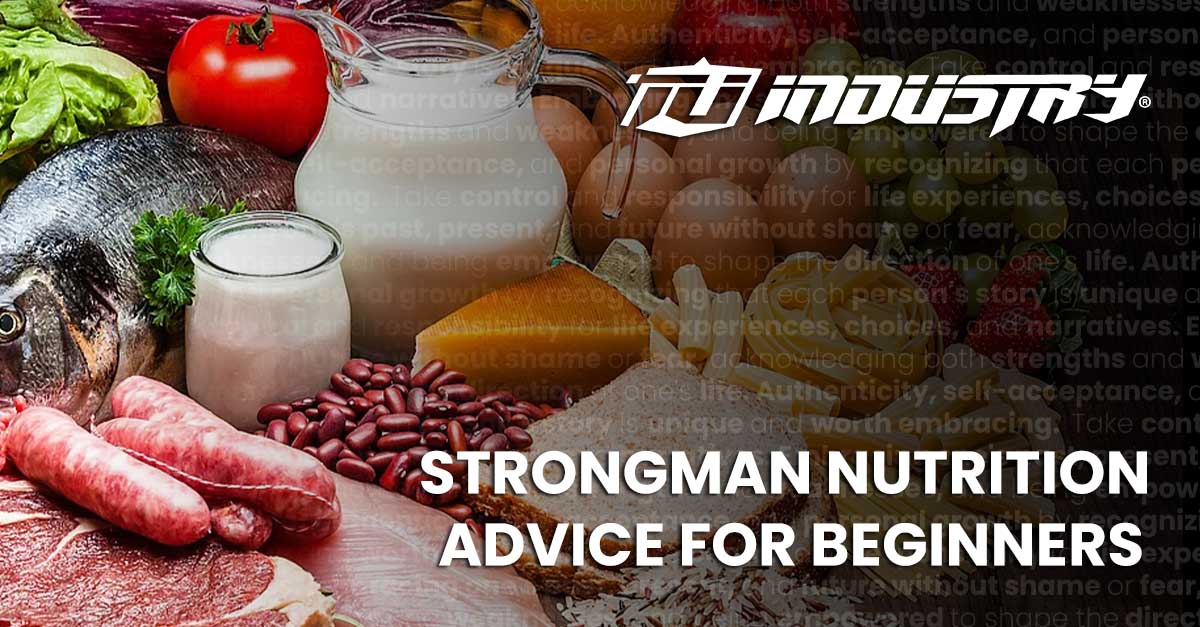
Strongman Nutrition for Beginners: Why It Matters
Strongman training pushes the body to its limits with heavy lifting, loaded carries, and endurance-based events. To perform well, nutrition needs to go beyond general fitness advice. For beginners, understanding how to fuel properly can make the difference between steady progress and burnout.
1. High-Calorie Intake for Strength
Strongman demands more energy than most training styles. Beginners often underestimate how much food they need.
-
Goal: Aim for a calorie surplus to support growth and recovery.
-
Tip: Track intake for a few weeks—if you’re not gaining strength or size, you may need to increase calories.
2. Protein: Building Blocks of Recovery
Protein supports muscle repair after intense sessions.
-
Target intake: 1.6–2.2g per kg of body weight daily.
-
Strongman-friendly sources: lean meats, fish, eggs, dairy, beans, lentils, and whey protein.
3. Carbohydrates: Fuel for Heavy Training
Carbs are crucial for energy during events like yoke carries or tire flips.
-
Why they matter: They replenish glycogen, prevent fatigue, and boost endurance.
-
Best sources: rice, oats, potatoes, pasta, fruit, and whole grains.
4. Fats: Long-Lasting Energy & Hormone Support
Strongman athletes benefit from higher fat intake compared to bodybuilders.
-
Best fat sources: avocado, olive oil, nuts, seeds, peanut butter, and fatty fish.
-
Tip: Don’t fear calorie-dense foods—they help you reach higher energy needs.
5. Meal Timing for Strongman Training
-
Pre-workout: Balanced meal of carbs and protein (e.g., steak, sweet potato, and vegetables).
-
During long sessions: Quick carbs like fruit, cereal bars, or sports drinks can keep energy levels high.
-
Post-workout: Protein and carbs for recovery (e.g., chicken, rice, and vegetables, or a protein shake with oats).
6. Hydration & Electrolytes
Strongman events often last hours and involve heavy sweating. Water alone may not be enough.
-
Hydration tip: Drink 3–4 litres per day.
-
Electrolytes: Add sodium, potassium, and magnesium through food or supplements to avoid cramps and fatigue.
7. Common Beginner Mistakes to Avoid
-
Eating like a bodybuilder: Strongman requires higher calories and carbs.
-
Relying only on supplements: Whole foods should be the foundation of your diet.
-
Neglecting hydration: Dehydration can ruin performance on event days.
Conclusion
Strongman training requires a nutrition strategy built around high energy intake, balanced macros, and proper hydration. For beginners, the key is consistency: eat enough to support training, focus on quality food sources, and stay hydrated. With the right nutrition, you’ll recover faster, perform better, and build the strength needed to succeed in strongman.


Share:
Knee Sleeves Vs Knee Wraps - Which Ones To Wear When?
Nutrition Advice for Beginners in Bodybuilding