
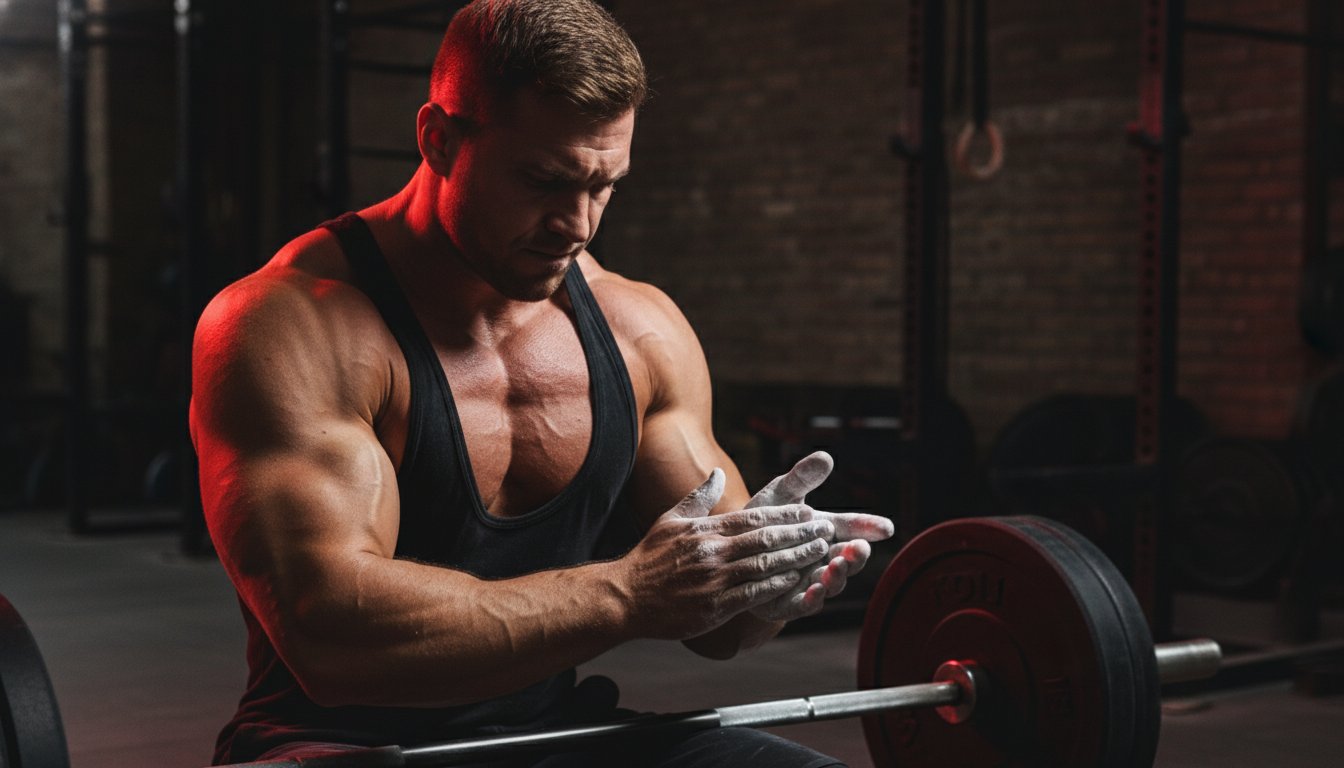
Most lifters treat liquid chalk like hand sanitizer, but a quick squirt and a rub won't save your heavy deadlift if the bar starts to roll. It's frustrating when your grip gives out during a max effort attempt, especially if your gym has banned traditional block chalk due to the dust and mess. Learning how to use liquid chalk properly is the difference between a failed PR and a rock-solid, bone-dry grip that lasts through your entire training session. You need a solution that stays put and provides a consistent surface for every pull.
We understand that a dependable grip is non-negotiable for operational excellence in the weight room. This guide will teach you the professional "Clean-Apply-Dry" protocol to eliminate bar slippage and ensure longer-lasting friction during high-rep sets. We'll also explain why a premium formula, like the Team Industry Liquid Chalk, provides a superior base layer compared to standard options. You'll master the application technique required to keep your hands dry and your lifts secure, which is vital since liquid chalk remains permitted in 2026 USA Powerlifting competitions. Follow these steps to ensure you never lose a lift to a slippery bar again.
Key Takeaways
- Start with a clean canvas by washing away oils and sweat to ensure the magnesium carbonate bonds effectively to your skin for a lasting grip.
- Master how to use liquid chalk properly by shaking the bottle thoroughly and applying a small, pea-sized amount to avoid unnecessary flaking or clumping.
- Use liquid chalk as a high-friction primer that fills microscopic skin grooves to prevent bar rotation during your heaviest sets.
- Recognize the early signs of chalk-fade to determine the exact moment for re-application before your next max effort attempt.
- Protect your skin health by removing residue with warm water and a mild abrasive immediately after your training session ends to prevent excessive dehydration.
Preparing Your Hands for Maximum Chalk Adhesion
Liquid chalk is a specialized suspension of magnesium carbonate within an alcohol-based solution. To establish a foundational understanding of what is liquid chalk, it helps to view it as a delivery system. The alcohol acts as a carrier that evaporates upon contact with air, leaving behind a uniform, high-friction coating of dry chalk. For this coating to provide a dependable grip, it must bond directly to your skin cells rather than sitting on top of surface contaminants.
If you want to master how to use liquid chalk properly, you have to prioritize the "Clean Canvas" principle. Natural skin oils, sweat, and leftover dirt from previous sets act as a barrier that prevents the magnesium carbonate from sticking. When applied to unprepared skin, the chalk often clumps or peels away during your first heavy pull. Our Team Industry Liquid Chalk is engineered for rapid bonding, but even a professional-grade formula requires a dry, grease-free surface to perform its best.
To better understand this concept, watch this helpful video:
The Pre-Application Wash
Before you reach for the bottle, head to the sink. Use a basic soap to strip away surface oils. It's vital to avoid "moisturizing" soaps or those containing essential oils, as these leave behind a slick residue that ruins adhesion. Once washed, dry your hands completely. Use a lint-free towel or a high-powered air dryer. Any remaining moisture will cause the chalk to clump into a paste rather than forming the smooth, bone-dry layer needed for a max-effort lift.
Temperature and Environment Considerations
The environment in your gym dictates how the chalk sets. In high-humidity settings, the alcohol carrier evaporates slower, which means you'll need to wait longer before touching the bar. Conversely, in very cold gyms, the liquid might feel thicker and take longer to spread evenly. Don't stand directly in front of a high-velocity fan while applying your chalk. Forced air can cause the top layer to dry prematurely while the base remains damp, leading to a brittle finish that flakes off mid-set. Apply the chalk in a neutral area to ensure a consistent, durable bond.
The Step-by-Step Application Process for Lifters
Shaking the bottle is the first operational step. Magnesium carbonate is a heavy mineral that naturally settles at the bottom of the alcohol solution; failing to mix it thoroughly results in a watery application that lacks the necessary friction. Once mixed, apply a single pea-sized drop to one palm. Many lifters make the mistake of using too much, but excess liquid leads to a thick, brittle layer that cracks as soon as you grip the bar. Learning how to use liquid chalk properly requires a "less is more" approach to ensure a flexible, durable bond that moves with your skin.
Spread the liquid quickly across your palms, the base of your fingers, and your thumbs. If you utilize a hook grip, ensure the entire thumb is coated to prevent the bar from slipping against your index finger. Aim for a thin, translucent layer that fills the natural creases of your skin without pooling in the center of your palm. This method creates a uniform surface area that maximizes your contact with the barbell knurling.
Applying for Specific Lifts
For heavy deadlifts, extend your coverage to the tips of your finger pads. This provides secondary security if the bar begins to drift toward your fingers during a max effort pull. When training with a Strongman axle or other smooth implements, you might benefit from a slightly denser application. The lack of knurling on an axle means you rely entirely on the friction of the chalk; a slightly thicker coat helps bridge the gap between your skin and the smooth steel.
The Drying Protocol
After spreading the liquid, keep your fingers wide and your hands still for 15 to 30 seconds. Don't rub your hands together while the chalk is wet. Rubbing disrupts the evaporation process and causes the chalk to "pill" or create uneven patches that compromise your grip. Once the surface turns a flat, chalky white, you're ready for the platform. For those looking to upgrade their gym bag, the Team Industry Liquid Chalk offers a fast-drying formula that minimizes downtime between sets.

Maximising Grip Performance: Layering and Maintenance
Liquid chalk functions as more than a surface coating; it acts as a high-performance primer. The solution fills the microscopic grooves and ridges of your skin, creating a more uniform surface area. This foundational layer is what prevents the bar from rotating mid-lift. When you master how to use liquid chalk properly, you're essentially building a secondary skin that resists moisture from the inside out.
For max-effort attempts or sanctioned competitions, consider the "Hybrid Method." Apply a base layer of liquid chalk and allow it to dry completely. Once set, apply a light dusting of traditional block chalk over the top. This combination provides the deep-bonding durability of a liquid base with the immediate, high-friction feel of dry powder. If your grip continues to be the limiting factor despite these methods, we suggest integrating Team Industry Lifting Straps into your heavier accessory work to ensure your training volume doesn't suffer.
Managing High-Volume Sets
During a long session, you'll eventually encounter "chalk-fade," where the coating becomes translucent or patchy. You don't need to wash and restart every time. Instead, dab away excess sweat with a towel and spot-apply a small amount to high-friction zones like your calluses and finger pads. This maintains the integrity of the original base layer without causing the clumping associated with over-application.
Bar and Implement Care
One primary operational benefit of liquid chalk is that it leaves significantly less residue in the bar's knurling compared to block chalk. This helps maintain the "bite" of the barbell for longer periods. Despite the reduced mess, professional etiquette requires cleaning the implement after use. Use a stiff nylon brush to clear any white residue from the knurling. This simple maintenance step preserves the equipment and shows respect for the collective training environment. For a complete kit that keeps you ready for any session, check out the full range of Team Industry gym accessories.
Post-Workout Removal and Hand Maintenance
Mastering how to use liquid chalk properly involves a disciplined exit strategy. Once your final set is complete, you must remove the chalk residue immediately. Leaving an alcohol-based suspension on your skin for extended periods leads to excessive dehydration. This drying effect doesn't just make your hands feel tight; it compromises the structural integrity of your skin barrier. Use warm water and a mild abrasive, such as a textured sponge, to clear the magnesium carbonate from your pores and the deep creases of your palms.
Calluses are a lifter's natural armor, but they require active management to remain functional. While chalk provides the friction needed for heavy pulls, it also makes calluses brittle. Brittle skin is prone to snagging on the bar's knurling, which often results in painful tears or "flappers." Team Industry UK advocates for a professional approach to strength gear that includes maintaining your physical tools. Keeping your skin supple ensures you can return to the platform without waiting for avoidable wounds to heal.
Rehydrating the Skin
Wash your hands thoroughly to ensure no white film remains. After drying, apply a non-greasy moisturizer or a dedicated lifting salve. Pay specific attention to the hinge points of your hand and the areas between your fingers. These creases are where the alcohol carrier tends to pool and cause micro-cracking. Consistent rehydration prevents the skin from becoming parchment-like, which is a common side effect of high-frequency chalk use.
Inspecting for Tears
Take a moment to inspect your palms for "hot spots" or early-stage blisters. Liquid chalk is excellent at masking minor skin irritations during a session, but these can quickly escalate into full tears if ignored. If you notice significant redness or thinning of the skin, take a break from chalk for a session or two. Use this time to focus on lifts that don't require maximum friction, allowing your skin barrier to recover. A proactive approach to hand health is just as important as your training program itself.
Master the Platform with a Superior Grip
Success on the platform depends on the reliability of your equipment and your technique. By prioritizing hand preparation and following the "Pea-Sized" rule, you ensure your chalk bonds effectively to your skin rather than flaking off mid-set. Mastering how to use liquid chalk properly allows you to maintain focus on the weight instead of worrying about bar slippage. It's about creating a dependable interface between your hands and the steel.
Beyond the technical aspects of your grip, the mental boost of training with a supportive community or family can’t be overstated. If you’re planning a group session or a family gym day, Adorb Custom Tees offers creative matching apparel that celebrates your collective strength and commitment to the sport.
Our solution is a professional-grade magnesium carbonate formula trusted by competitive strongmen and powerlifters. It provides a mess-free and gym-friendly application that remains durable through your heaviest attempts. Don't let a compromised grip hinder your performance or your safety in the weight room. Upgrade your grip with Team Industry Liquid Chalk and take control of your training. We're here to support your pursuit of operational excellence on every lift. Stay focused and keep pulling.
Frequently Asked Questions
Is liquid chalk better than block chalk for powerlifting?
Liquid chalk is often superior as a base layer because it bonds more deeply with the skin and creates significantly less mess. According to 2026 USA Powerlifting regulations, liquid chalk is permitted in competition as long as it does not contain adhesive substances. It provides a consistent, high-friction surface that stays intact during heavy attempts, making it a reliable choice for competitive lifters who need a dependable grip.
How long does it take for liquid chalk to dry properly?
Expect a drying time of 15 to 30 seconds under standard gym conditions. High humidity can slow down the evaporation of the alcohol carrier, so you may need to wait slightly longer in damp environments. You'll know it's ready when the liquid transforms into a flat, chalky white film. Avoid touching the barbell or rubbing your hands together until the surface is completely dry to ensure the bond remains secure.
Can I use liquid chalk in gyms that have a "no chalk" policy?
Many commercial facilities allow liquid chalk because it eliminates the airborne dust and floor debris associated with traditional blocks. It's a more hygienic and professional alternative that respects the gym's cleaning standards. Always check with your facility management to confirm their specific rules, but liquid chalk is generally the go-to solution for staying compliant while maintaining your lifting performance.
Does liquid chalk damage the knurling on high-end barbells?
Liquid chalk does not damage barbell steel or knurling. It actually leaves less residue in the grooves than powdered chalk, which helps maintain the bar's natural "bite" for longer periods. Despite the reduced buildup, you should still use a nylon brush to clear the knurling after your session. This simple maintenance step is part of professional gym etiquette and keeps the equipment in peak operational condition.
How do I get liquid chalk stains out of my gym clothes?
Liquid chalk is water-soluble and usually disappears in a standard laundry cycle. If you notice white marks on your Industry Oversized Tee, pre-treat the area with warm water and a small amount of mild detergent before washing. Just as you care for your lifting gear, maintaining a sharp professional appearance is essential; for those who value quality in their work wardrobe, The Staff Uniform Company provides expertly designed professional attire. Don't use high heat in the dryer until the stain is completely gone, as heat can occasionally set mineral residues into the fabric fibers.
Will liquid chalk make my hands crack or peel?
The alcohol carrier can dry out your skin, but this is avoidable with the right maintenance. Part of knowing how to use liquid chalk properly is washing your hands immediately after your session and applying a non-greasy moisturizer. This routine prevents calluses from becoming brittle and cracking. For the best results, use a high-quality formula like Team Industry Liquid Chalk, which provides a professional-grade grip without unnecessary skin irritation.
Share:
Team Industry vs Cerberus: The Flagship Wrist Wraps
Why invest in Team Industry elbow wraps