

What if your back and legs are strong enough to pull a new personal best, but your hands simply won't cooperate? It's a common frustration for athletes to feel the barbell slipping on the final reps of a heavy set, leaving potential strength gains on the gym floor. Learning how to use lifting straps for deadlifts is the most effective way to eliminate this bottleneck and shift the focus back to your primary movers. If you've struggled with wrist discomfort from thin, cheap gear or feel confused by different wrapping styles, mastering this technical skill is a necessary step for your training progression.
We agree that your equipment should support your goals, not hinder them. This guide will teach you the correct technique for using professional gear to eliminate grip fatigue and hit new deadlift personal bests. We'll provide a step-by-step breakdown of how to secure a pair of Weight Lifting Straps or Figure 8 Lifting Straps around the bar. You'll learn the specific differences between lasso and figure 8 styles, ensuring you can choose the right tool to increase your volume and maintain a locked-in grip during every heavy session.
Key Takeaways
- Close the "grip gap" by learning to tether your wrists to the barbell, ensuring your legs and back reach full fatigue before your hands do.
- Master the technical nuances of how to use lifting straps for deadlifts, including the "motorcycle grip" technique for a secure, non-slip fit.
- Implement a strategic training approach that balances strap-assisted overload sets with raw grip work to maintain functional strength and competition readiness.
- Evaluate the functional differences between lasso and figure 8 styles to select the most reliable gear for your specific operational needs in the gym.
- Identify why high-quality materials, such as those found in Leather Weight Lifting Straps, provide superior stability and comfort compared to standard equipment.
Mastering Grip Limitation: Why Use Lifting Straps for Deadlifts?
Lifting straps function as a mechanical tether between your wrist and the barbell. Their primary purpose is to bypass grip fatigue; they ensure your primary movers reach full exhaustion before your hands fail. Many athletes eventually face a "Grip Gap." This happens when your back and legs possess the strength to pull heavy loads, but your hands cannot maintain a secure hold. Mastering how to use lifting straps for deadlifts allows you to bridge this gap and focus on total muscular development without your forearms acting as a bottleneck.
Using straps isn't "cheating." It is a strategic application of weight training principles designed to maximize hypertrophy. If your goal is a bigger back or stronger hamstrings, you shouldn't let small forearm muscles limit your progress. Straps allow you to focus entirely on the hinge movement without the distraction of a bar rolling out of your palms. This dedicated focus is essential for athletes who need to push past plateaus in their training cycles.
The Science of Grip Fatigue and CNS Strain
Struggling to maintain your grip creates a high degree of perceived exertion. When your brain senses your hands are failing, it often limits the power output of other muscles to prevent injury. This increases central nervous system fatigue and can make a set feel significantly harder than it actually is. High-quality lifting straps allow for higher volume training by reducing the neural demand on your hands and forearms.
When to Reach for Your Straps
We recommend the "Last Set" rule to keep your natural grip strength sharp. Perform all warm-up sets and moderate work without assistance. Deploy your gear only when the load exceeds your ability to hold it safely. You should prioritize straps in three specific scenarios:
- Max effort attempts: Use them when grip failure would prevent a successful top-set pull.
- High-rep AMRAP sets: Keep the bar secure when fatigue sets in during high-volume finishers.
- Accessory pulls: Apply them for movements like rack pulls or Romanian deadlifts where the focus is on the stretch and contraction.
Knowing how to use lifting straps for deadlifts correctly ensures that every rep counts toward your strength goals rather than ending prematurely due to a weak hold.
Step-by-Step: How to Use Lasso and Figure 8 Straps Correctly
Success starts with professional preparation. Before you approach the bar, ensure your wrists are positioned correctly within the loops. The placement of the strap should be just above the wrist bone to prevent unnecessary skin pinching. Tensioning is equally critical. The strap must be snug enough to hold the weight, but it should not cut off your circulation. This step-by-step guide to using lifting straps reinforces that a secure fit is the foundation of a safe lift. Knowing how to use lifting straps for deadlifts correctly reduces the risk of the bar slipping mid-set.
Setup requirements change based on your equipment. When using a standard Olympic barbell, you have plenty of room for multiple wraps. However, if you are training on an axle bar, the increased diameter means you'll have less "tail" to work with. Adjust your wrapping tightness accordingly to maintain a firm connection. The goal is a seamless link between your arm and the steel.
How to Use Standard Lasso Straps
Lasso straps are the most common choice for general strength training. Follow these steps to secure them properly:
- Step 1: Thread the tail of the strap through the loop to create a lasso. Slide your hand through the opening so the tail hangs between your thumb and index finger.
- Step 2: Place the tail under the bar. Wrap it around the barbell in the opposite direction of your fingers. One or two wraps is usually sufficient for most training loads.
- Step 3: Use the "Motorcycle Grip" technique. Rotate the bar toward you with your hands to cinch the slack. The bar should feel like a direct extension of your arm once tightened.
How to Use Figure 8 Lifting Straps
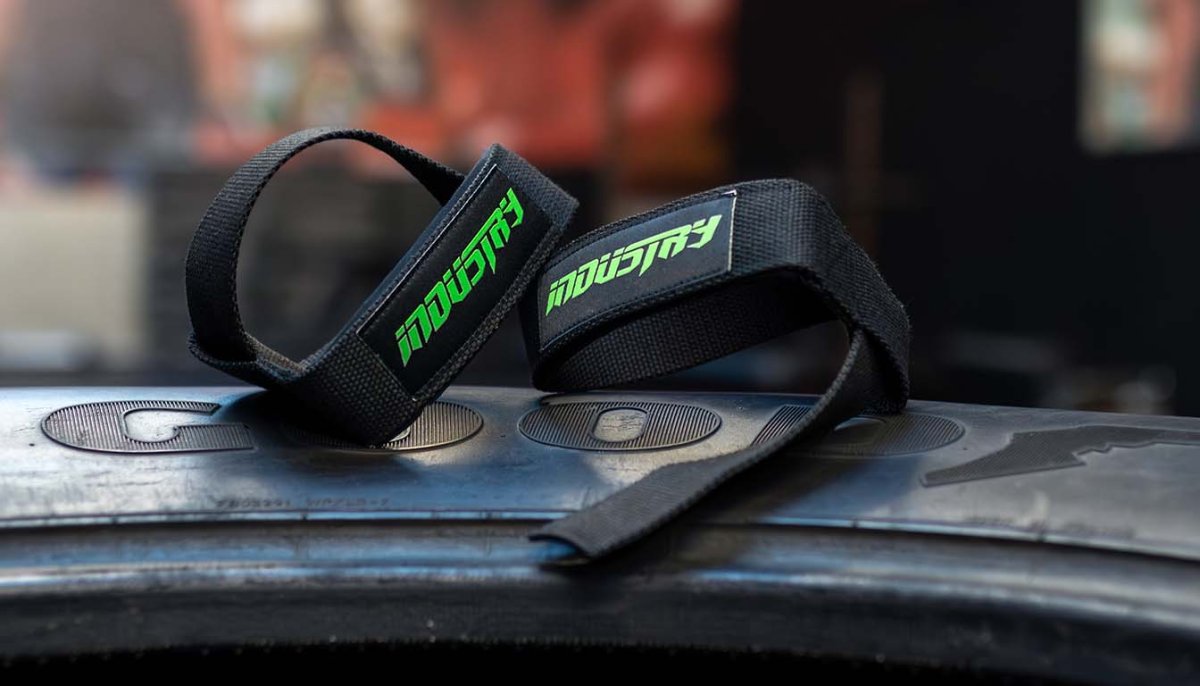
Figure 8 straps provide a double-locked feel that's ideal for heavy pulls. They are a staple in strongman training due to their mechanical security. If you're planning a maximum effort session, using Industry Figure 8 Lifting Straps ensures your grip remains the most dependable part of your lift.
- Step 1: Put your hand through one loop of the strap. Pass the remaining material under the bar, then pull it up and slide your hand through the second loop.
- Step 2: Grip the bar directly over the crossed portion of the strap. This creates a lock that prevents the bar from moving even under extreme tension.
Mastering how to use lifting straps for deadlifts in this manner allows you to move massive weight with total confidence. Once you've secured the bar, you can focus entirely on your hinge and leg drive.
Strategic Implementation: When and How Often to Use Straps
Strategic implementation is about training with purpose. If you're a competitive powerlifter, maintaining raw grip strength is a requirement for the platform. However, straps are invaluable for "overload" training. For instance, pulling 105% of your max from blocks is a proven way to strengthen your lockout, but this is only possible if your hands don't fail before your back. Understanding when and how to use lifting straps allows you to push these intensity limits safely.
For those focused on bodybuilding, how to use lifting straps for deadlifts becomes a matter of muscle isolation. By removing the grip bottleneck, you can achieve deeper lat and glute engagement through slow eccentrics or high-rep sets. Safety remains the priority; always ensure your wrap style allows you to "let go" of the bar in an emergency. While lasso straps release instantly, figure 8 styles require more deliberate hand placement to ensure you aren't permanently locked to a falling weight.
Balancing Straps with Grip Training
Don't let your natural hand strength wither by over-relying on gear. We recommend continuing with heavy holds and farmer's carries without assistance to keep your forearms resilient. A balanced "raw-to-strapped" ratio for a standard strength programme is approximately 70/30. Perform your warm-ups and technical work raw, then deploy your gear for the final top-end sets where grip would otherwise limit your volume.
Form Cues While Strapped In
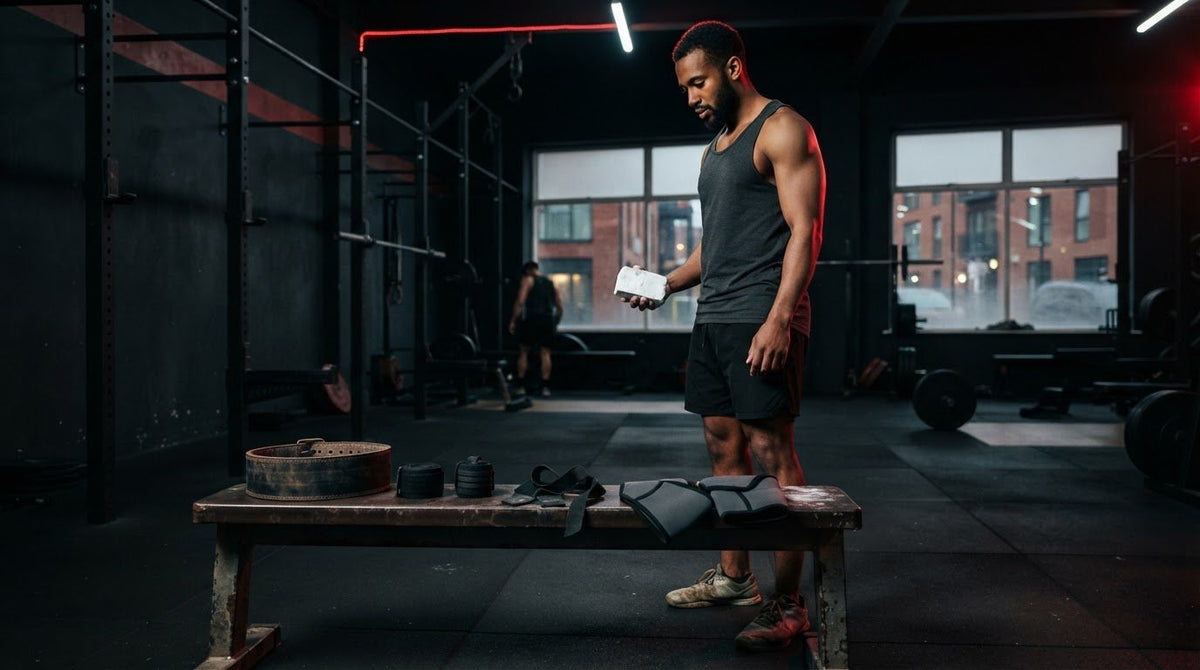
Straps don't excuse lazy mechanics. You must still pull the slack out of the bar before the lift begins to prevent jerking at the floor. Loose arms lead to technical breakdown and increased injury risk. For a truly unbudgeable connection, apply Liquid Chalk before you wrap your straps. This combination creates a high-friction surface that prevents internal slippage, ensuring the bar stays exactly where you set it. Grab a pair of Weight Lifting Straps to begin your next high-volume training block with total confidence.
Learning how to use lifting straps for deadlifts correctly ensures that your training remains productive and your primary movers continue to grow, regardless of forearm fatigue.
Selecting Professional Strength Gear: Lasso vs. Figure 8
Choosing the right gear is a tactical decision based on your specific training goals. The "Industry Classic" lasso style remains the most versatile choice for the majority of athletes. It allows for a quick release and fits nearly any barbell diameter or specialized bar. In contrast, the Figure 8 style is designed for maximum security during extreme pulls. While the Figure 8 provides an unshakeable connection, it lacks the versatility of a lasso strap for varied accessory movements. Knowing how to use lifting straps for deadlifts effectively requires matching the strap style to the intensity of your session.
Material selection is a critical factor in gear performance that many lifters overlook. Cheap nylon straps are often slippery and can dig into the skin under heavy loads, causing unnecessary discomfort. Professional-grade materials like heavy-duty cotton or leather offer a superior "bite" on the bar. You must also decide between padded and raw designs. Padded wrists are ideal for high-volume hypertrophy work where comfort prevents skin irritation. Raw straps, however, provide better tactile feedback and a closer bar feel for technical lifting.
Why Material Choice Dictates Performance
Leather Weight Lifting Straps are the gold standard for longevity and durability. They require a short break-in period, but once seasoned, they conform to your wrist and the barbell for a custom fit. If your priority is sweat absorption and ease of use, heavy-duty cotton straps are the best choice. They offer a reliable grip and allow for the quick releases needed during dynamic training sessions.
The Team Industry Advantage
We build our gear for the grit of the UK lifting community. The Team Industry Lifting Straps feature reinforced stitching and a heavy-duty weave that withstands the most demanding operational environments. We don't rely on flimsy materials that fail when the weight gets heavy. Explore our full strength gear collection to find the professional-grade support you need to push your limits. Mastering how to use lifting straps for deadlifts is only half the battle; the other half is trusting the equipment on your wrists to perform when it matters most.
Elevate Your Training Performance
Mastering the technical application of your gear is the fastest way to break through a strength plateau. By closing the "grip gap," you ensure your posterior chain receives the full stimulus it needs to grow. You now have a clear understanding of how to use lifting straps for deadlifts, from the initial motorcycle grip cinch to the double-locked security of a figure 8 setup. Balancing this equipment with raw grip work ensures you remain a versatile and resilient athlete.
Choosing professional-grade equipment is a commitment to your operational excellence in the gym. Our gear is used by competitive UK strongmen and powerlifters who require total reliability under extreme loads. With heavy-duty reinforced stitching and options in both Figure 8 and Classic Lasso styles, we provide the stability you need for your heaviest pulls. Shop the professional Team Industry lifting strap range here to secure your next personal best. Your progress shouldn't be limited by your hands; it's time to let your strength lead the way.
Frequently Asked Questions
Will using lifting straps make my grip weak over time?
Using straps won't weaken your grip if you program them strategically. Perform your warm-ups and moderate sets without assistance to maintain natural hand strength. Reserve your gear for top-end sets where your posterior chain can handle more weight than your hands can hold. This approach allows you to master how to use lifting straps for deadlifts without sacrificing functional forearm development during your primary training blocks.
Can I use lifting straps for movements other than deadlifts?
You can use straps for any pulling movement where grip acts as the limiting factor. They are highly effective for barbell rows, Romanian deadlifts, and heavy shrugs. By removing the distraction of a slipping bar, you can achieve better muscle isolation in your lats and traps. We recommend keeping a pair of Weight Lifting Straps in your bag for all high-volume back sessions.
What is the difference between Lasso and Figure 8 straps?
Lasso straps feature a single loop and a tail, offering a versatile fit for most barbells and specialized bars. They allow for a quick release by simply opening your hand if you need to bail on a lift. Figure 8 straps loop over the wrist twice for a double-locked connection that is nearly impossible to break. While lasso styles are better for general gym use, Figure 8 Lifting Straps are the preferred choice for max-effort strongman pulls.
Are leather lifting straps better than cotton or nylon ones?
Leather offers superior durability and a unique bite on the bar that improves as the material seasons. Unlike nylon, which can be slippery and abrasive, leather conforms to your wrist for a professional, custom feel. If you prioritize long-term reliability and comfort under heavy loads, Leather Weight Lifting Straps are a worthwhile investment for serious athletes. Cotton remains a solid, dependable alternative for those who prefer better sweat absorption.
Should I use straps if I am training for a powerlifting competition?
Straps are a vital training tool for powerlifters, even though they are prohibited in official competitions like those governed by the IPF. Use them to accumulate higher training volume and practice overload sets without taxing your central nervous system through grip fatigue. You must still perform specific grip work to ensure your hands are ready for the platform. Learning how to use lifting straps for deadlifts during your off-season helps build the foundational strength required for a massive competition total.
Share:
How to Train Your Back for the Ultimate V-Taper
Best Lifting Accessories for Women: A Strength-First Guide for 2026