
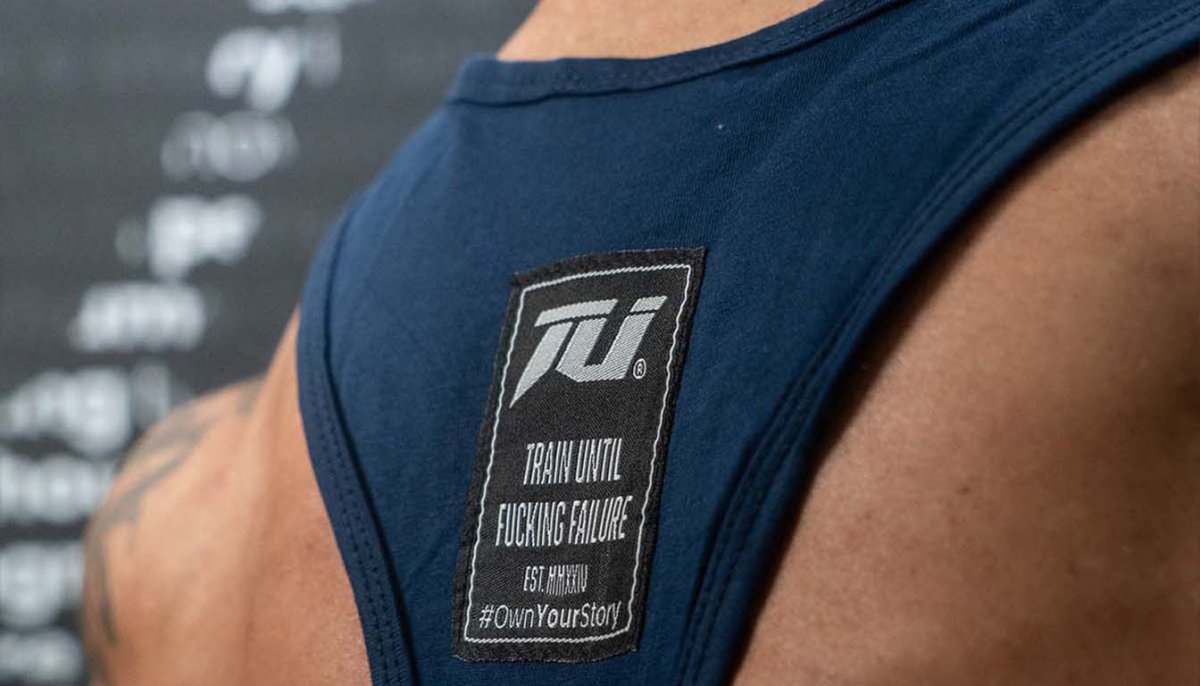
The best gym stringers for lifting balance a secure fit with freedom of movement through the shoulders and upper back. Choose a fabric that feels comfortable during training, and compare the garment’s measurements with a top you already wear rather than relying on the size label alone. A close fit should stay in place without restricting your range of motion.
It’s easy to focus on the cut and overlook how fabric and sizing affect comfort once training begins. This guide explains how a stringer can work for lifting, what to consider for airflow and sweat, and how to compare fits and garment measurements. Use these practical checks to assess your options and choose a stringer that suits your training and preferred fit.
Key Takeaways
- Choose a stringer that lets your shoulders and upper back move freely during lifts without shifting or feeling restrictive.
- Compare fabric construction and care details to find an option that feels comfortable as your training gets sweaty.
- Judge fit by the cut through the chest, armholes and torso, not by the size label alone.
- Use garment measurements and a well-fitting top as a reference before choosing your size.
Benefits of using a stringer
A stringer’s open-shoulder design gives your arms more room than a standard T-shirt. That can feel practical during overhead presses, pull-ups and lateral raises, when sleeves may bunch around the shoulders. With your upper arms uncovered, you can also see their position during dumbbell curls or check your elbow path in a mirror. A stringer won’t improve your technique by itself, but it can remove a clothing distraction while you focus on each repetition.
Less fabric around the shoulders can make it easier to notice how a garment shifts as you move. Test a stringer with an unloaded shoulder press, then reach overhead and lower your arms under control. Check whether the straps stay in place and the hem remains comfortable. A top that pulls across your chest or swings during a set may distract you, even if its cut looks suitable when you’re standing still.
Stringers suit sessions where unrestricted arm movement and an open cut are priorities. During a bench press, notice whether the straps sit comfortably as your shoulders move back against the bench. For a deadlift, check that the fabric doesn’t catch or ride up as you hinge. These are checks for fit and comfort, not guarantees about equipment or safety. Your bar path, set-up and technique still determine how you perform each exercise.
- Try a movement: Reach overhead, then practise a controlled bodyweight squat.
- Check the straps: Make sure they don’t dig in or slide during arm movement.
- Assess the hem: Bend at the hips as you would for a deadlift set-up.
Use these checks to compare the best gym stringers for lifting with your usual training top. Choose a cut that lets you move naturally through exercises such as pull-ups and presses. A stringer is a clothing choice, not a substitute for sound programming, suitable equipment or controlled lifting.
Breathability and sweat-wicking
A stringer’s open sides and shoulder cut can help airflow during a session. The fabric also affects how comfortable the top feels as your training intensity changes.
Airflow and Breathability
An open cut exposes more skin than a standard T-shirt, which can help heat escape between bench press sets. But the cut is only one part of the picture. Fabric weight, weave and how closely the top sits against your body also affect airflow. A loose, dense fabric may feel warmer than a lighter, more open one.
Assess airflow with a simple movement test. Wear the top while warming up, then reach overhead and do a set of bodyweight squats. Notice whether the fabric clings, traps heat or shifts enough to distract you. This gives you a better sense of comfort in motion than judging the garment while standing still.
Sweat-Wicking Performance
Sweat-wicking fabric moves moisture away from the skin towards the garment’s outer surface, where it can spread and dry. That’s different from simply absorbing moisture. A top that holds sweat close may feel heavier or clingier during a demanding session, particularly across the chest and back.
Check the garment’s fabric details and care instructions before choosing. Then consider your session: a short strength workout has different demands from a longer circuit with limited rest. If possible, assess how the fabric feels during your warm-up and between sets. Don’t assume an open cut alone means the material will manage sweat effectively.
For a useful comparison, consider three factors: how much skin the cut exposes, whether the fabric feels light against your body, and how it handles moisture during movement. These details work together. An open cut can aid airflow, while the textile affects how moisture behaves. Your preferred fit matters too, as close contact may feel different from a looser drape during the same exercise.
Use those checks to compare training tops by construction, not appearance alone. The men’s training apparel range offers a place to compare garment styles alongside your comfort needs.
Fit and sizing feedback
Fit feedback is most useful when it describes how a stringer behaves during movement, not just how it looks on a hanger. Compare the shoulder straps, chest and torso with your usual training top. A good fit should feel comfortable during a press, curl and overhead reach.
Start with the armholes. If they cut into your underarm during a dumbbell press, the shape may feel restrictive. If they gape widely during a bent-over row, you may prefer a different cut. Check the straps as you raise and lower your arms. They should sit comfortably without sliding towards your neck or pulling across your shoulders.
Next, assess the chest and torso. A close fit can stay near your body during a set, while a looser cut allows more drape. Neither is automatically better. Try a controlled squat, then hinge as you would when setting up for a deadlift. Notice whether the hem rides up, hangs in your way or stays comfortable. Feedback that names the movement and fit issue helps you judge whether the same cut suits your routine.
Size labels vary, so don’t assume your usual letter guarantees the same fit. If you’re between sizes, use the garment measurements and your preferred style to guide your choice. For a closer bodybuilding fit, compare the chest width and torso length with a top that already feels right. For a relaxed look, check that the extra room won’t interfere with movement.
- Raise your arms: check for strap movement and underarm pressure.
- Try a hinge: see whether the hem shifts or distracts you.
- Compare a familiar top: use its chest and length as references.
These checks make reviews more useful, too. Look for comments about specific movements, strap placement and garment length rather than relying on broad labels such as “tight” or “loose”. That detail helps you match a stringer to your build and preferred fit for training.
Size and garment measurements
A size label is only a starting point. Compare the garment’s measurements with a training top that already fits the way you prefer. Lay both tops flat on a level surface, smooth out folds without stretching the fabric, and measure corresponding areas. This gives you a practical reference for the chest, length and shoulder straps.
Start with chest width, measured across the front beneath the armholes. Keep the tape straight and note where the measurement begins and ends. Then measure body length from the highest shoulder point to the hem. A shorter stringer, for example, may feel different during an overhead reach than your usual longer top.
Shoulder straps and armholes also affect how a stringer sits. Compare the strap width and placement with a top you find comfortable. Check how far the armhole curves towards the chest, since a deeper opening changes coverage and how the top feels in motion. These details can explain why two garments with similar chest measurements fit differently during a press.
- Chest: Measure straight across the front beneath the armholes.
- Body length: Measure from the shoulder point to the bottom hem.
- Straps: Compare their width and position with a familiar top.
Keep your method consistent. Use the same flat surface, tape position and garment orientation for each comparison. A stretched or bunched top can produce a misleading result. Also check whether the size chart gives garment dimensions or body measurements. Garment measurements describe the item itself; body measurements describe the person it is designed to fit. Comparing like with like makes your decision clearer.
Finally, match the measurements to your intended fit. If your reference top feels close through the chest, look for similar garment dimensions. If you prefer more drape, compare it with a roomier top instead. Check the hem against your torso length and training movements. A simple side-by-side measurement check helps you choose a size based on fit, not the label alone.
Team Industry: Industry Oversized Tee
The Industry Oversized Tee gives you another training-top option if you prefer an oversized cut to a stringer. Use the fit checks above to decide which style suits your session and how you want your top to sit. For shoulder-focused work, compare how each garment feels through your chosen movements; for other training days, choose the cut you find comfortable.
Team Industry also offers the Team Industry Stringer, so you can compare stringer and oversized styles within its apparel range. Focus on the garment measurements and your preferred fit rather than choosing by label alone. Visit Team Industry’s apparel range to explore the options.
Choose the training top that fits your next session
Your training kit should work for the sessions you actually do, not just look right on a hanger. Choose a fit that feels natural for your routine, and treat garment choice as one part of getting ready to train. To narrow down the best gym stringers for lifting, compare your preferred cut with Team Industry’s apparel range.
Team Industry offers the Team Industry Stringer and Industry Oversized Tee, alongside Industry Performance Leggings. These options give you a practical starting point for choosing apparel that suits your training wardrobe.
Ready to explore the range or discuss stringers? Contact Team Industry about stringers. Choose your next training top with confidence and keep your focus on the work ahead.
Frequently Asked Questions
What are the best gym stringer vests for lifting in the UK?
The right vest is one that stays comfortable through your regular lifts and provides the coverage you prefer. Compare strap placement, armhole shape, fabric feel and cut. If you’re considering Team Industry apparel, explore the Team Industry Stringer alongside other training options. Use your usual exercises to judge comfort rather than choosing by appearance alone.
Which stringer vests offer the best fit and range of motion for weight training?
Look for a cut that lets your shoulders and arms move without straps rubbing or fabric pulling. Try a controlled overhead press and cable row in the vest. Notice whether the armholes restrict your reach or gape uncomfortably as your arms move. The right fit depends on your build and preferred coverage, so assess the garment during movements you actually train.
Are cotton or polyester stringers better for lifting and sweaty workouts?
Neither fibre is automatically better for every lifter. Cotton often feels soft and familiar, while polyester is commonly chosen for training garments designed to move moisture away from the skin. Blends can combine properties, so check the garment’s material description and care instructions. If your session combines conditioning with lifting, consider how the fabric feels after warming up, not only when dry.
What sizes and fits do popular gym stringer brands offer, and do they run small?
Size ranges and fit labels vary by brand, so there’s no universal rule that every stringer runs small. Check each garment’s size guide and compare its measurements with a top you own. Note whether the fit is described as close or relaxed, too. If trying one on, move through a press and a row before deciding. This reveals fit issues that a size label alone can’t show.
What fabrics make a gym stringer breathable, sweat-wicking and durable?
Look for a light, open construction and fabric described as sweat-wicking, which moves moisture away from the skin. The article gives no specific fabric materials or durability guidance.
Share:
Where to Buy Lifting Gear in the UK
Knee Sleeves for Lifting: Compare Support, Fit and Grip