

The most secure strap isn’t automatically the best choice for every deadlift. If your grip gives out before your legs and back, the best lifting straps for deadlifts can help you keep grip from limiting a set. But a strap that feels awkward to wrap or slow to release may not suit the way you train.
You’re right to compare more than material or appearance. Strap style affects how you attach to the bar, how secure the hold feels and how readily you can let go after a rep. This guide explains what straps change during a deadlift and compares lasso, Figure 8 and shorter Olympic-style straps against those practical criteria. You’ll also see how your lifting style and preferred level of bar security can guide your choice, and where straps fit within a balanced programme. Use them deliberately for pulling work, while continuing to train your grip where it matters to your goals.
Key Takeaways
- Match strap style to how you want to secure the bar and set up each deadlift, rather than looking for one option that suits everyone.
- The best lifting straps for deadlifts depend on your grip needs and whether you prefer a flexible wrap or a more connected feel.
- Practise wrapping and releasing the bar with manageable loads before using straps for demanding working sets.
- Assess comfort and control in training, and use straps where they support your goals without replacing grip work entirely.
Why use lifting straps for deadlifts when grip becomes the limiter?
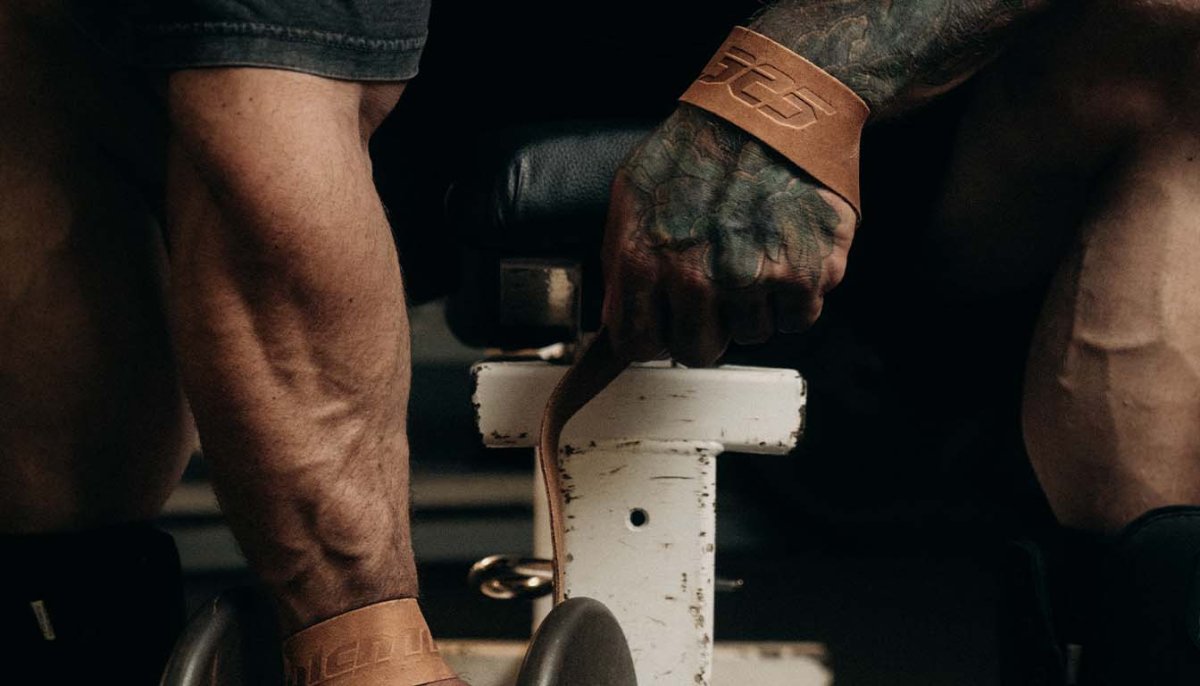
Lifting straps are grip aids that connect a lifter’s hands to the bar, helping maintain a hold during pulling exercises. They can be useful when your fingers or forearms fatigue before the muscles you’re targeting in a deadlift. If your grip starts to open while your back and legs can still perform the planned work, grip may be ending the set early. A forearm lifting strap is a related type of equipment that illustrates how a strap can help connect the hand to a load.
Straps assist your grip; they don’t correct poor positioning, replace sound deadlift technique or train your grip for you. The best lifting straps for deadlifts are useful when they address a specific grip problem, not simply because the bar feels heavy. Team Industry’s weight lifting straps are one option to consider as you match strap style to your training.
When do straps make sense for deadlifts?
Use them when grip is the clear limiter on a planned working set. If you can hold the bar securely and finish your reps with control, straps may not add much to that set. Some lifters reserve straps for selected heavier or higher-volume work, while doing other deadlift sets unstrapped. This lets you choose support when grip would otherwise interrupt the intended pulling work, without relying on straps for every set.
Do lifting straps weaken your grip?
The effect depends on how you use them across your programme. If every pulling set is strapped, your hands get fewer chances to practise holding the bar under load. Keep suitable pulling work or direct grip exercises unstrapped, and use straps selectively when grip would limit the session’s main purpose. Adjust the balance to your training goals, and maintain good technique on every rep.
Which lifting strap style suits your deadlift setup?
Lasso-style straps wrap around the wrist and bar, while Figure 8 straps create a more connected loop between them. The right fit depends on how you prefer to secure the bar, how much setup you’re comfortable with and how you want to release your grip after a rep. Research examining the load-velocity profile when lifting with straps also highlights why strap use is relevant to deadlift performance, though it doesn’t make one style the right choice for every lifter.
| Comparison point | Lasso-style straps | Figure 8 straps |
|---|---|---|
| Setup | Wrap and adjust around wrist and bar | Loop around wrist and bar |
| Feel | Adjustable connection | More connected to the bar |
| Release | Unwrap from the bar | Remove the loop from the bar |
Lasso straps for flexible deadlift sessions
With a lasso strap, thread the tail through its loop, place it around your wrist, then wrap the tail around the bar. You can adjust the wrap to suit your hand position and how firmly you want to feel connected. That flexibility may suit sessions with different pulling movements or set demands. Fit and release feel are personal, so practise the setup before relying on it for working sets.
Figure-eight straps for a more connected setup
Figure 8 straps use two loops: one passes around the wrist and the other around the bar, linking hand and bar in a defined setup. Some lifters may prefer this connected feel; others may favour a wrap they can adjust. Consider how the strap feels when setting up and letting go. If this style suits your preference, explore Figure 8 Lifting Straps as one option.
Neither design is a universal winner. To find the best lifting straps for deadlifts for your training, compare setup and release with the bar you use, then choose the style that feels controlled and repeatable.
How to choose and use deadlift straps in your training
Choose straps by working through a simple process, rather than adding them automatically. Identify when grip affects your planned deadlift work, then select a style that suits your preferred setup and level of bar connection. The best lifting straps for deadlifts should feel manageable to put on and release, not just secure once you’re holding the bar.
- Identify the grip problem. Note which sets are limited by your hands rather than the intended work.
- Choose a style. Use the setup and bar-security trade-offs to guide your choice.
- Practise the setup. Follow the strap maker’s instructions and rehearse the wrap or loop before loading heavily.
- Assess comfort and control. Check that both hands feel secure and you can release the bar as intended.
Check fit, setup and release before adding load
Start with a light, controlled setup. Attach each strap as directed, check that neither hand feels loose or awkward, then practise releasing the bar. Build up only when the setup feels consistent. If a strap shifts, feels uncomfortable or makes release uncertain, stop and reset it rather than continuing with a setup that feels unsafe. This is equipment-use guidance, not a substitute for a full deadlift technique guide.
Keep strap use purposeful, not automatic
Use straps when grip is the intended limiting factor for a set, rather than defaulting to them for every pull. Track which sets you strap and how your grip feels during unstrapped work. That simple record can help you review whether the support is serving your programme while leaving room to practise holding the bar without straps.
Once your priorities are clear, compare lifting straps for deadlifts with your preferred setup and release. Choose deliberately, practise before demanding sets, and keep your overall training plan balanced.
Find the best lifting straps for your deadlift priorities
There isn’t one strap style that suits every deadlift session. A flexible wrap may appeal if you want to adjust how it sits around your hand and bar. A looped Figure 8 design may suit you if you prefer a more connected setup. Treat these as differences in use, not promises of better performance. Your comfort, setup preference and intended use should guide the decision.
Match the choice to your deadlift priorities
- You value adjustment: A lasso-style strap lets you wrap it around the wrist and bar, making it a practical style to consider if you prefer to adjust your setup.
- You prefer a consistent looped setup: Consider whether a Figure 8 design’s linked wrist-and-bar arrangement feels natural to you.
- Release matters most: Practise removing each style after a rep and choose the one you can release with control.
These are personal preferences, not product performance claims. Comfort in a practice setup can help you decide, but don’t assume a particular design will improve your lifting without evidence that applies to your circumstances.
Make a considered next move
If the looped setup fits your priorities, Team Industry Figure 8 Lifting Straps are a relevant option to compare with a flexible wrap. Use the criteria above to assess the setup, feel and release you prefer. The best lifting straps for deadlifts are the ones that fit your training needs, rather than a universal top pick.
Compare the weight lifting straps and lifting strap options against your priorities, then choose the style you can set up and use confidently.
Make your next deadlift setup count
Turn your strap choice into a practical part of your training: choose a setup you can apply consistently, then keep using it only where it serves your session. The best lifting straps for deadlifts are the ones that fit your priorities and feel manageable in practice, not simply the most secure-looking option.
Team Industry supports federations and events that promote strength sports, and offers weight lifting straps and leather weight lifting straps, alongside Figure 8 Lifting Straps. Compare the options with your preferred setup and release in mind.
Compare lifting strap options and choose a setup that helps you train with confidence.
Frequently Asked Questions
Are lifting straps good for deadlifts?
Yes, lifting straps can help if your hands are stopping a deadlift set before you’ve completed the planned work. They’re a training aid, not a reason to force extra reps once your technique or control starts to slip. If you compete in IPF-sanctioned powerlifting, straps aren’t permitted on the platform, so include competition-style grip practice in your preparation.
Which type of lifting strap is best for deadlifts?
Choose based on the setup you can use consistently and release with control. A lifter who changes between pulling exercises may prefer an adjustable wrap, while someone who wants a more fixed connection may favour a looped design. Try your preferred style during ordinary training first. The best lifting straps for deadlifts are the ones that suit your own routine, not a universal ranking.
Can beginners use lifting straps for deadlifts?
Yes, beginners can use straps, but they’re best treated as optional support rather than a shortcut through learning the lift. First become familiar with your deadlift setup and practise holding the bar without assistance at manageable loads. If grip becomes a clear obstacle during a planned set, straps may help you complete that work while you continue developing your overall lifting skills.
Do lifting straps make your grip weaker?
Not automatically. The practical concern is whether you stop challenging your grip because you strap every pulling set. To keep an eye on this, note how your hands feel during unstrapped warm-ups or pulling work and compare those sessions over time. If your grip is a goal, retain suitable unstrapped work in your programme rather than expecting strapped sets to train it.
Are figure-eight straps suitable for deadlifts?
Yes, figure-eight straps can be used for deadlifts if their connected loop setup suits you and you can release them as intended. Don’t confuse them with wrist wraps: straps assist your hold on the bar, while wrist wraps support the wrists, commonly during pressing. Practise with the strap maker’s instructions, and follow your competition’s equipment rules if you plan to compete.
Share:
How to Cut Weight for a Powerlifting Meet: A Safer, Smarter Plan
Accessory Work for Strongman Events: Build Event-Specific Strength