

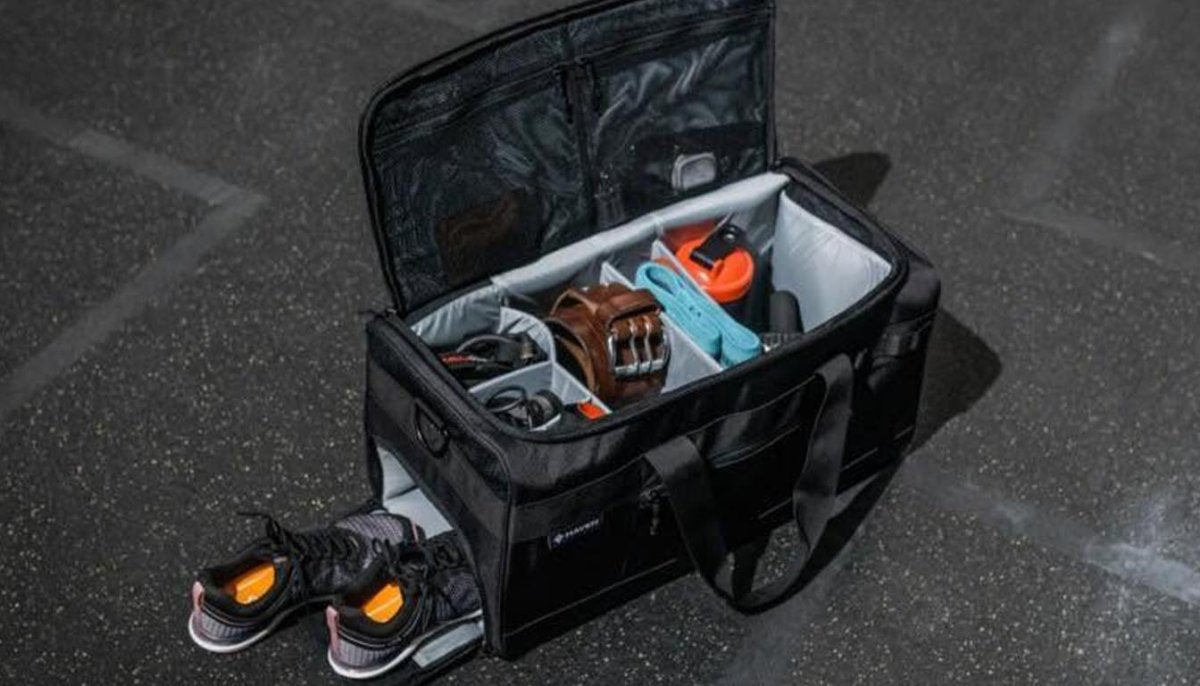
A 2024 safety audit in UK training facilities revealed that 18% of equipment failures occurred because lifters used residential-grade gear for professional-level strength work. When you're stepping under a heavy barbell, the last thing you should worry about is a buckle snapping or a sleeve tearing. Finding the right essential powerlifting gear uk athletes can trust is often harder than the training itself. You're likely facing the common frustration of deciphering complex IPF regulations while trying to avoid equipment that doesn't offer the support you need for maximal force production.
We believe that your equipment should be a dependable partner in your pursuit of a new PB. This guide will show you exactly how to select professional-grade gear that stabilizes your lifts and protects your joints under load. We'll provide a clear breakdown of the technical differences between daily training tools and competition-spec equipment, covering everything from 13mm lever belts to heavy-duty knee sleeves, so you can focus entirely on your performance and safety on the platform.
Key Takeaways
- Learn why a 13mm lever belt is the industry standard for creating maximum spinal rigidity and intra-abdominal pressure during heavy compounds.
- Understand the technical requirements for joint support, focusing on how 7mm neoprene knee sleeves provide the necessary compression for platform performance.
- Discover how to eliminate grip bottlenecks using tactical aids like liquid chalk and figure 8 lifting straps to maintain focus on force production.
- Follow a prioritised roadmap to invest in the essential powerlifting gear uk lifters need, ensuring every piece of equipment serves a functional purpose.
- Identify the crucial differences between standard gym accessories and professional-grade equipment that meets competitive powerlifting specifications.
The Core Foundation: Powerlifting Belts and Stability
A powerlifting belt functions as a mechanical wall for your midsection. It doesn't support your back in a passive sense; instead, it allows you to generate massive intra-abdominal pressure by giving your core muscles a hard surface to push against. This internal pressure creates the spinal rigidity necessary to move heavy loads safely. For anyone serious about Powerlifting, understanding these mechanics is vital before investing in essential powerlifting gear uk athletes rely on for stability.
To better understand how this equipment influences your lifting mechanics, watch this breakdown:
Choosing between a lever and a prong closure depends on your training priorities. Lever belts provide a consistent, secure fit that you can snap shut in a second, which is ideal for high-intensity sets. Prong belts offer more flexibility for micro-adjustments if your bodyweight fluctuates during a session. Regardless of the closure, you must position the belt where it feels most secure between your ribs and hips. This "sweet spot" varies based on your torso length and whether you're squatting or pulling from the floor.
10mm vs. 13mm Lever Belts
The thickness of your belt dictates its support level. A 10mm Lever Belt is often preferred for deadlifts because it allows for a bit more torso flexion when setting your starting position. However, the 13mm Lever Belt remains the gold standard for heavy squats. Its maximum thickness provides unparalleled stability during the descent. High-quality leather requires a break-in period, so expect the belt to feel stiff for the first few weeks as it moulds to your frame.
Maximising Bracing Technique
Effective bracing requires more than just cinching the belt tight. You must "breathe into the belt," drawing air into your abdomen and expanding your core 360 degrees to meet the leather. A common mistake is wearing the belt so tight that you can't take a full breath, or so loose that your core never makes contact. Aim for a fit that allows one finger to slide between your stomach and the belt when you aren't bracing. This ensures you have enough room to expand your midsection and create a rigid, stable torso.
Joint Support: Knee Sleeves and Wrist Wraps
Joint support represents the second pillar of a strength athlete’s kit. While your belt manages core pressure, sleeves and wraps focus on joint integrity and proprioception. This equipment is a vital component of essential powerlifting gear uk athletes use to maintain high training volumes without excessive wear on the connective tissues. This focus on stability mirrors the biomechanical principles found in research on weightlifting belts, where external support is used to reinforce the body's natural structures under load.
High-grade compression keeps the joints warm, which facilitates better synovial fluid movement and provides a clearer sense of joint position during heavy eccentric phases. Unlike standard gym accessories that offer minimal resistance, powerlifting-specific 7mm neoprene sleeves provide a distinct "rebound" effect at the bottom of a squat. This mechanical assistance helps you drive through the sticking point while maintaining a stable path for the knee. If you're looking to upgrade your support, you can view our professional joint support range here.
Choosing Heavy Duty Knee Sleeves
Selecting the right Heavy Duty Knee Sleeves involves balancing compression with comfort. These sleeves offer essential lateral stability, preventing the knee from tracking inward under maximal loads. When sizing your sleeves, aim for a fit that requires effort to put on but doesn't restrict blood flow to the point of numbness. A tight fit maximizes the elastic energy return, but a slightly more relaxed fit is often better for high-volume accessory work.
Wrist Wrap Selection for Bench Press
Wrist wraps are designed to eliminate the "wrist snap" that occurs when the bar pushes the hand into extension. By maintaining a neutral wrist position, you ensure that the force from your chest and triceps travels directly into the bar. For most lifters, 16-inch or 24-inch Industry Wrist Wraps provide the ideal balance of coverage and support. Stiff wraps are generally preferred for maximal attempts, while flexible versions allow for more movement during varied training sessions. To perfect your setup, consult our Ultimate Bench Press Guide for technical cues on bar placement.
Tactical Grip Aids: Straps, Chalk, and Salts
Tactical aids serve a single purpose: they remove the "grip bottleneck" that prevents you from training your posterior chain to its full potential. While raw grip strength is a fundamental skill, your back and legs can often handle significantly more weight than your hands can hold during high-volume sessions. Including these tools as part of your essential powerlifting gear uk kit ensures that your grip isn't the limiting factor on your heaviest sets. For a deeper look at how these items fit into a competitive setup, this Tutorial on Powerlifting Gear provides a solid overview of supportive equipment.
Smelling salts (ammonia) are another tactical tool used for immediate CNS arousal. They trigger a sharp inhalation reflex that heightens alertness right before a maximal attempt. It's best to use them sparingly for top sets to avoid desensitisation. When you decide to use straps versus relying on raw grip, consider the goal of the set. If the objective is maximal hypertrophy or pulling power, don't let a failing grip compromise your intensity.
Figure 8 vs. Classic Lifting Straps
Figure 8 Lifting Straps are the top choice for heavy deadlifts because they double-loop around the wrist and bar, effectively locking you in. This allows for total focus on the hip hinge without the fear of the bar slipping. Classic straps are more versatile for rows and accessory movements where you might need to release the bar quickly. Learn more about the mechanics in our guide, Mastering Your Pull: The Ultimate Guide to Lifting Straps.
The Science of Liquid Chalk
Liquid chalk is the mess-free alternative for athletes training in commercial or high-standard facilities. The alcohol-based formula evaporates quickly, leaving a long-lasting base layer of magnesium carbonate that fills the grooves of your skin. This creates a high-friction surface that resists sweat better than traditional block chalk. For a full breakdown of application techniques, read our article on Liquid Chalk: The Ultimate Guide to Enhancing Grip.
Ready to upgrade your grip? Shop our professional accessories to find the right tools for your next heavy session.
Building Your Kit: A Prioritised Roadmap
Investing in a full setup all at once isn't necessary for most athletes. A phased approach allows you to adapt to each piece of equipment as your strength levels increase. This roadmap ensures you acquire essential powerlifting gear uk lifters need in a logical, performance-led sequence.
- Phase 1: The Essentials. Start with flat-soled footwear and Liquid Chalk. These provide a stable connection to the floor and a secure grip for a minimal investment.
- Phase 2: The Foundation. Once your technique is consistent, add a 10mm or 13mm Lever Belt. This is the most critical tool for managing intra-abdominal pressure.
- Phase 3: Joint Longevity. As the weights get heavier, introduce Heavy Duty Knee Sleeves and Wrist Wraps to manage joint stress and improve proprioception.
- Phase 4: Specialised Tools. Reserve Figure 8 Lifting Straps and Smelling Salts for your heaviest training blocks and maximal attempts.
Gear Maintenance and Care
Proper maintenance extends the life of your kit and ensures it remains dependable. Hand wash your neoprene sleeves in cold water with a mild detergent. Avoid machine drying, as high heat can degrade the material's elasticity. For leather belts, inspect the lever mechanism regularly. Tighten any loose screws and apply a small amount of lubricant to the hinge to keep the snap action smooth. Wipe down the inner leather after sweaty sessions to prevent salt build-up from the skin.
Competition vs. Training Gear
Before you commit to high-end equipment, verify the specific regulations of your chosen federation. Organisations like British Powerlifting (GBP) follow the International Powerlifting Federation (IPF) approved list. These rules dictate everything from the width of your belt to the length of your wrist wraps. If you're training for the platform, ensure your gear meets these standards during your prep so there are no surprises at weigh-in. For those looking to branch out into other strength sports, see our guide on Strongman Training Gear UK for alternative equipment requirements.
Elevate Your Platform Performance
Selecting the right equipment is a calculated step toward operational excellence in the gym. You now understand how to prioritise your purchases, from foundational stability tools to tactical aids that eliminate grip failure. High-standard gear creates a repeatable, safe environment where you can focus entirely on force production and technical precision. Don't let inferior equipment compromise your safety or your results.
Team Industry is a dedicated partner in your strength journey. Our equipment is built for athletes, by athletes, ensuring every stitch and buckle meets the demands of heavy training. We specialise in high-durability 13mm leather belts and joint support designed for longevity. Trusted by the UK strength community, we focus on providing the essential powerlifting gear uk lifters need to perform with total confidence.
Explore the full Team Industry Strength Collection and secure the tools required for your next platform appearance. It's time to hit those new PBs with equipment that matches your grit.
Frequently Asked Questions
Do I need a 10mm or 13mm powerlifting belt?
A 13mm belt provides the highest level of spinal rigidity for heavy squats, making it a staple of essential powerlifting gear uk athletes use for maximal attempts. However, a 10mm belt is often more versatile for beginners or those who find 13mm too restrictive for deadlifts. Your choice should reflect your primary focus; choose 13mm for maximum support or 10mm for a balance of stability and comfort.
Are lever belts better than prong belts for beginners?
Lever belts are generally superior for beginners who want a consistent, repeatable level of tightness. The snap closure ensures you hit the same bracing pressure every set without struggling with a buckle. While prong belts allow for more micro-adjustments if your weight fluctuates, the reliability of a lever belt makes it a more dependable partner for those learning to brace effectively against a solid surface.
Can I use figure 8 lifting straps in a powerlifting competition?
You cannot use figure 8 lifting straps or any other grip aids in a powerlifting competition sanctioned by the IPF or British Powerlifting. These tools are reserved for training sessions to help you handle higher volumes without your grip failing. On the platform, you must use a raw grip. Always check your specific federation's rulebook to ensure your other equipment meets their technical standards before competing.
How tight should my knee sleeves be for a squat PB?
For a squat PB, your knee sleeves should be tight enough to provide a distinct "rebound" effect at the bottom of the lift. A proper fit usually requires some effort to pull over the calf and knee. If they slide on without resistance, they won't provide the compression needed for maximal performance. Ensure they are snug enough to offer lateral stability without causing pain or restricting blood flow during your set.
What is the difference between wrist wraps and lifting straps?
Wrist wraps are designed to support and stabilise the joint during pressing movements, preventing the wrist from folding back under the weight of the bar. In contrast, lifting straps are used to secure your grip to the bar during pulling exercises. While both are essential powerlifting gear uk lifters rely on, they serve opposite functions: one reinforces the joint, while the other assists the muscles in your hands and forearms.


Share:
Bodybuilding Competition Day Essentials: The Ultimate Backstage Checklist
Heavy Duty Knee Sleeves: The Lifter’s Guide to Maximum Joint Support