

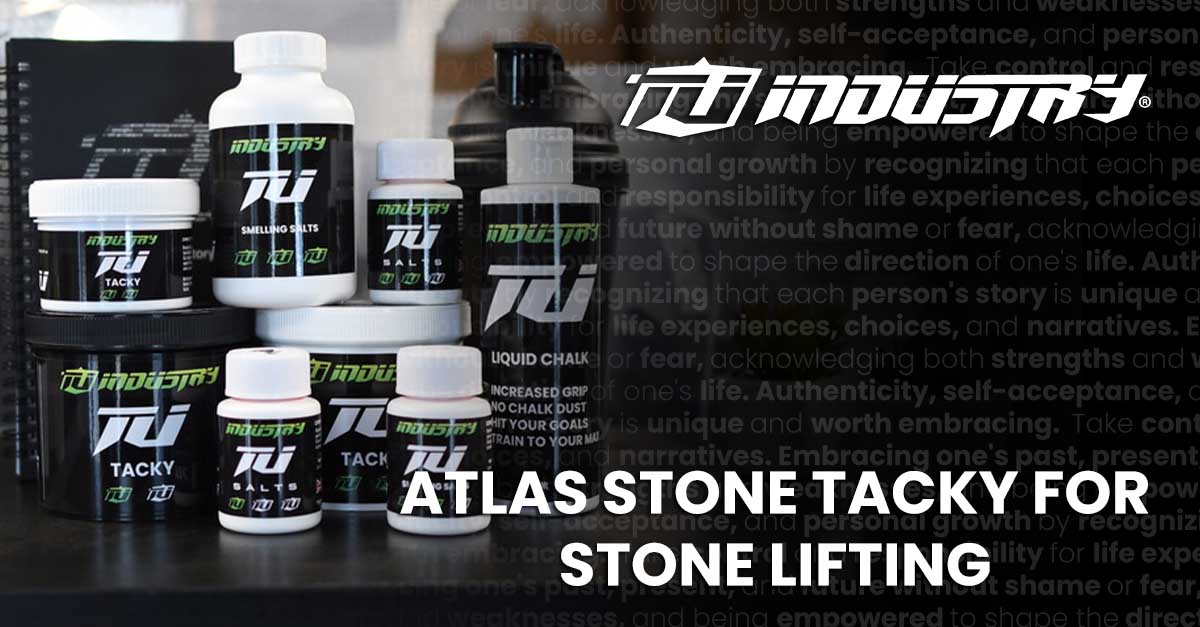
Benefits of Using Atlas Stone Tacky
1. Improved Grip and Control
Smooth Atlas stones can be difficult to hold, especially under heavy loads. Tacky enhances friction between your hands and the stone, giving you better control throughout the lift.
2. Lift Heavier Stones
With a secure grip, you can focus on strength and technique rather than constantly readjusting your hold. This often allows heavier stone lifts and improved reps in training and competition.
3. Reduced Risk of Injury
Slipping stones can lead to serious injuries, including strained muscles, tendon damage, or dropped stones. Tacky helps minimise these risks by keeping the stone firmly in your hands.
4. Greater Energy Efficiency
A secure grip means less wasted energy trying to stabilise the stone. This is especially important during events that require lifting multiple stones in a series or holding a stone for time.
5. Increased Confidence During Lifts
Using tacky gives athletes the mental assurance that their grip will hold. This confidence boost allows for maximal effort and better performance under competitive conditions.
When to Use Atlas Stone Tacky
-
Heavy or near-max lifts
-
Strongman competition practice
-
Hot or sweaty conditions where grip is compromised
Note: Some gyms restrict tacky usage due to mess. Always check local rules before training.
Tips for Effective Use
-
Apply a thin, even layer for maximum effect
-
Warm tacky in your hands if it becomes stiff in cold conditions
-
Clean hands and forearms after training using baby oil, rubbing alcohol, or a tacky remover
Final Thoughts
For serious strongman athletes, Atlas stone tacky is more than just a convenience—it’s a performance-enhancing tool. By improving grip, control, and confidence, tacky allows you to safely lift heavier stones, train more efficiently, and minimise injury risk.
When it comes to Atlas stone lifting, tacky isn’t optional—it’s a game-changer.
FAQ: Atlas Stone Tacky
1. What is Atlas stone tacky used for?
Atlas stone tacky is applied to hands and forearms to increase grip on smooth, heavy Atlas stones, improving control and reducing slippage.
2. Can I lift heavier stones with tacky?
Yes. By improving grip and reducing the risk of the stone slipping, tacky allows athletes to lift heavier stones safely.
3. Is tacky allowed in competitions?
Most strongman competitions permit tacky, but always check the event rules, as some variations may have specific restrictions.
4. How do I clean tacky off my hands?
Use baby oil, rubbing alcohol, or a tacky remover. Thorough cleaning prevents residue buildup and keeps your skin healthy.
5. Are there different types of tacky?
Yes. Tacky comes in light, medium, and competition-strength versions, allowing athletes to choose based on conditions, stone size, and personal preference.

Share:
Wrist Wraps for Weightlifting: Benefits, Uses & Best Wrist Support for the Gym
Weight Lifting Benefits: How Strength Training Boosts Health & Longevity