
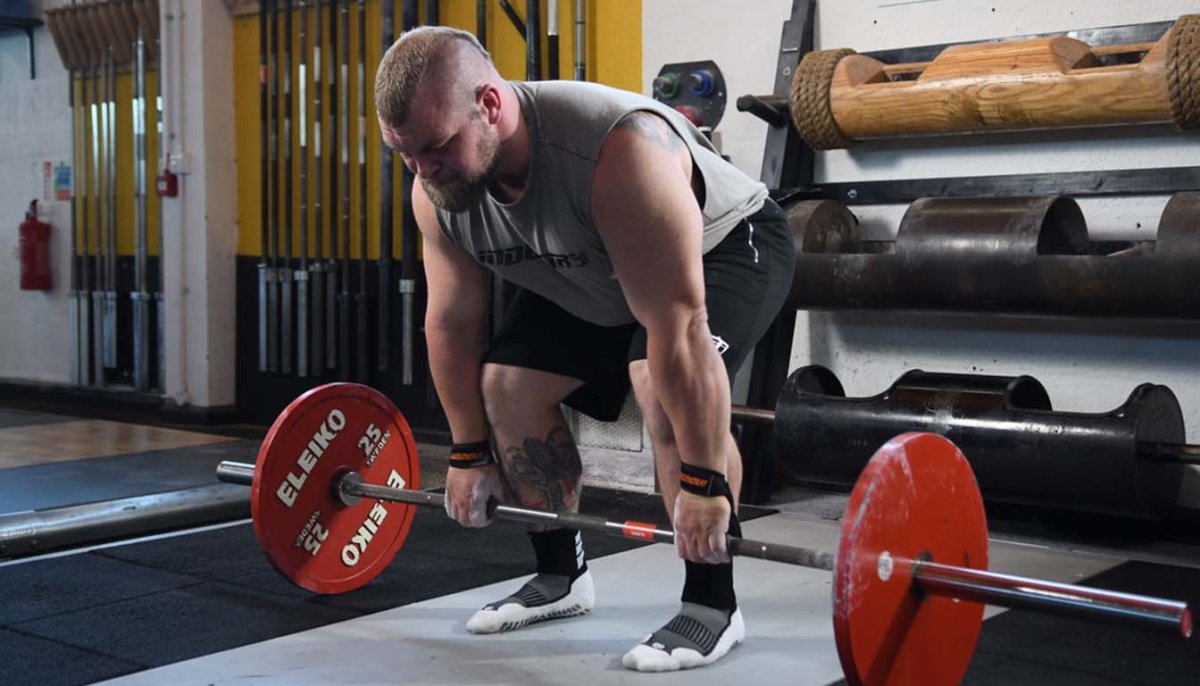
Could the deadlift stance that suits your proportions best feel weaker at first? If you’re weighing sumo vs conventional deadlift for your body type, conflicting advice about height, arm length and hip width can make the choice seem fixed. Your frame can offer useful setup clues, but it doesn’t dictate which style you must lift.
It’s reasonable to want a stance that feels comfortable and lets you build strength with sound technique. But one attempt or a single measurement can’t tell you the whole story. Small changes in setup and familiarity can affect how a lift feels.
This guide compares both styles using repeatable observations: your starting position, comfort, technique and performance across training. You’ll learn what body proportions can suggest, what they can’t confirm, and how to choose a variation that fits your goals and feels sustainable to practise.
Key Takeaways
- For sumo vs conventional deadlift for your body type, treat proportions as setup clues, not a rulebook for choosing your stance.
- Compare stance width, foot angle, grip position and setup to see how each lift works for you.
- Practise both styles with controlled, submaximal loads and note your technique, comfort and performance before deciding.
- Choose a main pull you can perform consistently, and keep the other variation for selective training if it supports your goals.
Sumo vs Conventional Deadlift for Your Body Type: What Your Build Can Tell You
It’s understandable to look at height, arm length and proportions for a clear answer. These details affect how you reach the bar and organise your starting position, so they can offer useful clues. But they don’t sort lifters neatly into “sumo” or “conventional” categories. The sumo vs conventional deadlift for your body type is better treated as a question to test than a rule to follow.
Body proportions can inform your deadlift setup, but they can’t select a stance on their own. Arm, leg and torso lengths interact, and small differences can change your start position. For a general overview of the two styles, see Deadlift - Wikipedia. Use anatomy as context, then assess how each stance works in practice.
Do height and limb proportions predict your best deadlift?
Your arms influence how far you need to reach; leg and torso proportions affect where your hips sit and how your torso angles over the bar. A lifter with long arms might find the bar easier to reach from one setup, but that alone doesn’t prove it will be the stronger or more comfortable pull. Likewise, being tall doesn’t automatically rule out either stance. Assess how your whole position works instead of judging one measurement in isolation.
Why hip structure and individual comfort matter
Hip structure can affect how wide you can stand and how your hips move as you lower into position. That may make one stance feel more natural, but you can’t determine that from appearance alone. Adjust your foot angle and stance width gradually. Notice whether you can brace and move without forcing the position. Stop if you feel pinching or persistent discomfort, and seek guidance from a qualified professional.
Compare both styles over multiple training sessions. A useful fit lets you establish a repeatable setup, maintain controlled technique and work towards your goal without persistent discomfort. Your build helps shape the test; consistent results help inform the choice.
How Sumo and Conventional Deadlifts Differ in Setup and Movement
The main difference is how you position your feet and hands around the bar. Those choices change your starting position and the bar’s path, but neither setup guarantees a stronger lift. Use the comparison below to identify what to observe as you practise each style.
What changes between the conventional and sumo setup?
Conventional uses a relatively narrow stance, with hands outside the legs. Sumo uses a wider stance, toes turned outward, and hands inside the legs. There’s no single correct stance width or toe angle for everyone. Position your feet so you can reach the bar, brace and begin the pull without forcing your position.
| Setup feature | Conventional | Sumo |
|---|---|---|
| Stance | Narrower, roughly hip-width | Wider, adjusted to comfort |
| Foot angle | Usually forward or slightly turned out | Toes turned outward |
| Grip | Hands outside the legs | Hands inside the legs |
| Typical position | Torso leans further over the bar | Torso tends to be more upright |
Bar travel can differ, with sumo often involving a shorter path, but the difference depends on your proportions and setup. A shorter range of motion isn’t automatically a performance advantage. The lift still needs to feel controlled from the floor through lockout.
Do the two styles work different muscles?
Both variations require coordinated effort from the legs, hips, back and trunk. Conventional pulls may place relatively more demand on the hamstrings and spinal erectors, while sumo may involve more quadriceps and inner-thigh contribution. These are tendencies, not exclusive muscle targets or promises of greater strength or muscle growth. When considering the sumo vs conventional deadlift for your body type, assess how each setup lets you produce a consistent, controlled pull.
If grip becomes the limiting factor, lifting straps can support grip demands. They don’t determine your stance or replace sound technique.
How to Test Which Deadlift Style Fits You Best
A fair comparison takes more than trying each stance once. Use controlled, submaximal practice and repeat the process across training sessions. That way, your decision reflects consistent movement rather than one unusually strong or awkward day.
Set up a fair comparison
Keep your warm-up and effort level similar for both variations. Where practical, compare them under similar training conditions, and change one technique cue at a time. This makes it easier to tell whether a difference comes from the stance or another adjustment.
- Learn each setup. Practise getting into position and bracing before adding challenging weight. Repeat the setup without rushing.
- Use manageable loads. Perform submaximal sets that let you focus on control and comfort. Don’t test a maximum; fatigue and effort can make technique harder to assess.
- Record what happens. After each session, note how repeatable your setup felt, whether you maintained control, and how comfortable the movement was. Include the load and repetitions so you can compare like with like.
- Review the pattern. Look across multiple sessions. Consider whether one style consistently feels easier to set up, stays controlled and fits your training goals. Don’t let one good or poor day decide.
What should you record after each session?
Keep your notes brief and consistent. Record your stance and any cue you changed, how stable the start position felt, whether you maintained your intended technique, and any discomfort. Track the weight and repetitions, but treat them as context, not a verdict. If grip limits a set, note that separately. Grip support such as weight lifting straps addresses grip demands, not stance choice or technique.
Repeated, comfortable submaximal performance tells you more than a single max attempt. This practical test makes the sumo vs conventional deadlift for your body type a decision based on your own training, not assumptions about proportions.
Choose Your Deadlift Stance, and Build a Useful Next Step
Choose the style you can set up consistently, lift with controlled technique and use to progress towards your goal. Your decision doesn’t have to be permanent, and you don’t need to force a choice based on height or limb length. For the sumo vs conventional deadlift for your body type, let repeated training experience guide you.
If one variation feels more repeatable and comfortable while supporting your training, make it your main pull. You can still use the other selectively, for example, for variety or to practise a different movement pattern. Keep the role of each lift clear in your programme, and adjust if your technique, comfort or goals change.
When should you keep practising both styles?
Continue practising both if you’re still learning either setup or your results vary from session to session. Inconsistent performance may reflect familiarity or changing technique, not a settled preference. Revisit the comparison if your training goals shift, you make a meaningful technique change, or a stance that used to feel comfortable starts to feel different. Stop if you experience persistent discomfort, and seek qualified guidance.
Where do lifting straps fit into deadlift training?
Straps can help when grip limits a set, but they don’t decide whether sumo or conventional suits you, and they don’t replace a controlled setup. If grip is a limiting factor, lifting straps for strength training are an optional accessory, not a fix for discomfort or technique.
For a practical next step, compare your notes from both stances and choose the one that best supports consistent training. If grip is limiting your sets, you can explore lifting straps as an optional accessory while keeping your stance decision based on your movement and goals.
Make Your Next Pull a Practical Test
Your next training session can turn your decision into a working plan. Choose the stance you’re ready to practise, keep your setup consistent and assess how it supports the work you want to do. You can refine your choice over time; a useful training decision doesn’t have to become a permanent label.
That’s the practical answer to sumo vs conventional deadlift for your body type: let your experience under the bar guide your next step. If grip is limiting your sets, straps may offer optional grip support, but they won’t choose your stance or replace sound technique.
Team Industry serves powerlifters, strongman athletes, bodybuilders and weight-training enthusiasts with strength gear for training. Explore lifting straps for your training if you want to consider an accessory for grip-demanding sets.
Keep learning, train with control, and give your preferred style room to develop. Your strongest fit is the one you can practise consistently and confidently.
Frequently Asked Questions
Is sumo deadlifting easier than conventional deadlifting?
Neither style is easier for everyone. Sumo may mean a shorter bar path for some lifters, but that doesn’t guarantee an easier pull or a heavier lift. Your experience can also depend on where you feel the hardest part of the movement: breaking the bar from the floor, passing the knees or locking out. Compare both at a similar effort rather than judging by appearance.
Can your body type tell you which deadlift stance to use?
Your build can’t make the decision for you. Two lifters of the same height may have different arm, leg and torso proportions, and may respond differently to the same stance. For sumo vs conventional deadlift for your body type, treat measurements as background information, not a prescription. Test each variation with manageable loads and consider which supports your training goals without forcing your position.
Is sumo deadlifting cheating?
No, sumo is a recognised deadlift style, not a shortcut or a cheat. In a strength competition, a lift is judged under that event’s rules, whether the athlete pulls sumo or conventional. If you compete, learn the rules and judging standards that apply to your chosen federation. In general training, choose the stance that suits your practice and goals.
Can you switch between sumo and conventional deadlifts?
Yes. You can change your main variation as your priorities or preferences develop, though a new stance may take practice before it feels coordinated. If you’re preparing for a competition, give yourself time to settle on the style you intend to use rather than switching close to the event. You can also programme one variation as your main lift and the other as occasional technical practice.
Should beginners start with sumo or conventional deadlifts?
Beginners can learn either style; there’s no universal starting stance. Begin with a light, manageable load and focus on setting up, bracing and moving the bar under control. Choose the variation you can practise comfortably, then build familiarity before increasing the challenge. If you’re unsure about your technique, feedback from a qualified strength coach can help you learn the movement safely.
Share:
Are Knee Sleeves Worth It for Squats? Benefits, Limits and When to Wear Them
How to Structure a Strongman Training Week: A Practical Guide