


A deadlift grip alone can’t prevent a biceps tear. Grip training to avoid bicep tears should support controlled lifting: hold the bar with your arms naturally straight, and don’t curl or pull with your biceps. Increase loads gradually, since sudden jumps and overuse can expose the tendon to more force than it can tolerate.
It’s understandable to focus on grip when your hands connect you to the bar. But deadlifts are the most common setting for biceps tears among strength athletes, and the safest, most effective grip can vary between lifters.
This article explains how grip choice relates to tendon strain, why sudden loading and repeated overuse matter, and how eccentric lifting fits in. You’ll also learn how to approach grip-strength work without treating it as a guarantee against injury, and which symptoms mean you should stop training and seek medical assessment.
Key Takeaways
- Choose a deadlift grip that lets you keep your arms controlled and avoid turning the pull into a curl.
- Build strength progressively; sudden jumps in load and repeated strain can outpace tendon adaptation.
- Use eccentric work as part of a balanced programme, not as the main focus of your training.
- Develop forearm control with pronation and supination exercises, keeping the movement steady and within a comfortable range.
So Is There a Best Deadlift Grip to Avoid a Bicep Tear?
No single deadlift grip suits every lifter. Good technique means holding the bar with controlled arms, not curling it upwards with your biceps.
Progressive Training and Correct Technique
Progressive training builds load gradually, while sound technique keeps the biceps from taking over the deadlift. Keep your arms naturally straight, avoid starting a curl, and use your legs and hips to move the bar. A sudden weight jump or repeated hard sessions can expose a tendon to more force than it can tolerate. Biceps-isolation exercises aren’t automatically harmful, but heavy curls performed with poor control or excessive fatigue can add strain. Treat gradual loading and good form as part of your grip training to avoid bicep tears.
Safer Grip-Strength Exercises
Controlled forearm exercises can build grip-related strength without turning every session into heavy biceps work. Forearm pronation and supination, rotating the palm down and up, can be performed for 10-12 repetitions in each direction for 2-3 sets. Keep the movement steady and stop if it causes pain. Hammer curls use a neutral hand position and target the brachialis, but they still involve the biceps. They’re not a way to train through biceps pain or a substitute for treatment. If supinated-grip exercises, such as palms-up curls, hurt, avoid them and stop painful upper-body work until assessed.
Returning to Grip Training
There’s no single rest interval for returning after a biceps injury; progress should follow healing milestones, not a fixed calendar. During recovery from a distal biceps tear, avoid curls, pull-ups, chin-ups and heavy lifting that strains the elbow or forearm. After distal repair, pull-ups and chin-ups belong in late-stage rehabilitation, typically after 4 to 6 months. Stop training and seek medical help for sudden sharp pain, a pop, immediate weakness or worsening pain. Don’t resume grip work until rehabilitation permits it, and stop if pain increases. Avoid lopsided lifting, which can overload the uninjured arm.
How sudden loads and overuse can injure biceps tendons
A tendon can be injured when force rises faster than it can tolerate. A single heavy effort and repeated loading without enough recovery can both create this mismatch.
Sudden Loads and Tendon Injury
A sudden load is a forceful demand that exceeds what the biceps muscle and tendon can handle. For example, attempting a deadlift well above your recent working weights can place the tendon under abrupt strain, especially if your arm position changes under load. Strength can increase faster than tendon adaptation, leaving the tissue less prepared for a rapid jump. Anabolic steroid use may also put tendon integrity at risk when strength rises quickly. Build loads progressively and keep repetitions controlled rather than chasing a sudden increase.
Overuse and Warning Signs
Overuse occurs when repeated training stress outpaces your ability to recover, allowing tendon irritation to build across sessions. A gradual, dull ache around the elbow during curls or pulling work differs from the sudden sharp pain, pop and immediate weakness associated with a tear. These symptoms are warning signs, not a reason to test another heavy repetition.
Should you feel sudden sharp pain, hear or feel a pop, or notice immediate arm weakness, stop training and seek medical help promptly. Dull pain that develops gradually also deserves attention if it persists or worsens during exercise. A specialist can distinguish tendonitis from a partial or complete tear and use that diagnosis to guide treatment. Early assessment matters because a tendon may begin scarring one to two weeks after a tear, which can make repair more difficult.
Review what changed before symptoms began: load, training frequency, recovery, or a compromised arm position. If pain appears during a deadlift, stop the set rather than adjusting your grip and continuing. Lifting straps may help manage grip demands, but they don’t remove force from the biceps tendon. For deadlift equipment, explore lifting straps as one part of your setup, while keeping load progression and control central.
Eccentric lifting
Eccentric lifting is the controlled phase in which a muscle lengthens while resisting a load. In a deadlift, lowering the bar is the eccentric phase, so control matters on the way down as well as up. What lifting technique reduces biceps tendon strain? Keep your arms straight and use them to hold the bar, rather than curling or pulling with your biceps.
Include eccentric work in a balanced programme, but don’t make it the main focus. For example, lower a dumbbell under control during a curl instead of letting it drop, and keep the load manageable. The biceps muscle works during the lowering phase, so adding heavy, repeated negatives can increase its workload. Eccentric work is a training method, not protection against tendon injury. Include it alongside other strength work, and don’t force the lowering phase when your form starts to change.
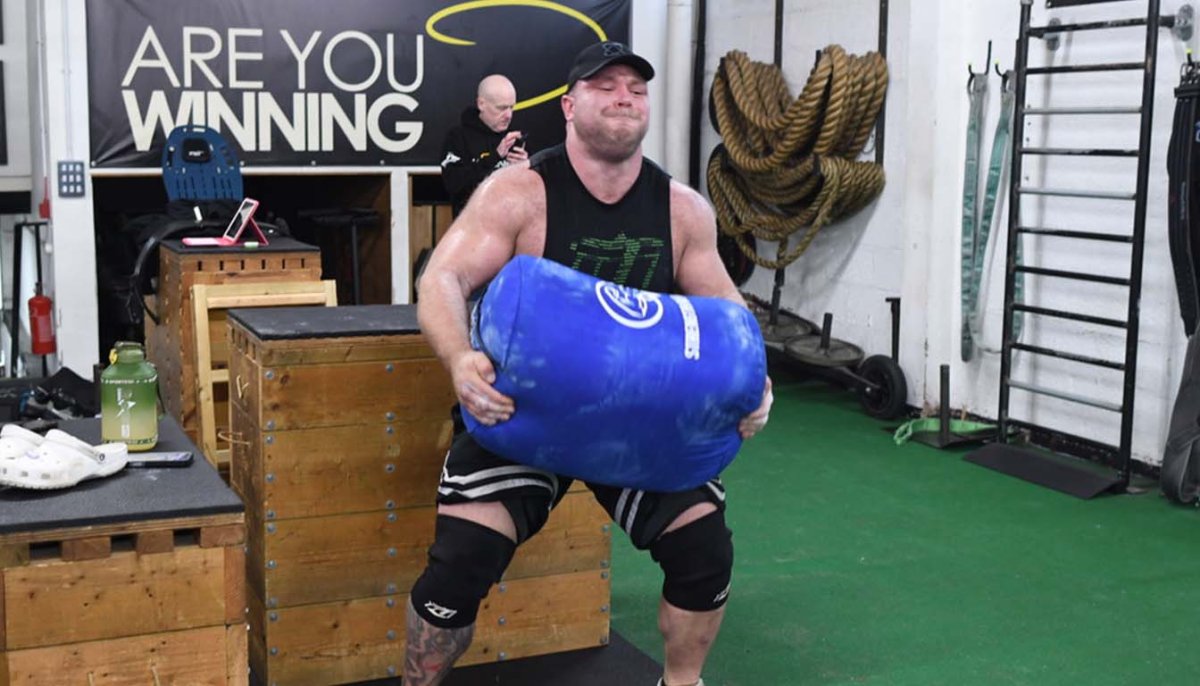
During a deadlift, control the bar’s descent and keep your arms long rather than bending them into a curl. If your shoulders move forward or your grip slips, reset instead of fighting the bar with a bent arm. The biceps shouldn’t pull the bar down or lift it from the floor. Practise with a load you can control through both phases. A controlled descent helps you finish the repetition without turning the lowering phase into a separate, uncontrolled effort.
Use eccentric exercises to build capacity progressively, not to test how much strain your tendon can tolerate. A slow lowering phase can feel demanding even with a lighter weight, so judge the session by your control and symptoms, not soreness alone. If an exercise causes sharp pain, stop rather than completing extra repetitions. After a diagnosed biceps tear, rehabilitation should progress according to healing milestones, not a fixed calendar. Your shoulder, elbow and forearm all contribute to lifting position, so coordinate the whole movement. Balanced programming gives eccentric training a place without letting it dominate.
Which grip-strength exercises are safest for preventing biceps injuries?
No grip exercise can guarantee protection from a biceps injury, but controlled forearm work can train rotation without relying on heavy curls. Forearm pronation and supination are practical options: turn your palm down and up with deliberate control.
For this exercise, use 10-12 repetitions in each direction for 2-3 sets. Keep the elbow close to your side and rotate through a comfortable range without jerking the forearm. Choose resistance that lets you finish every repetition smoothly. The aim is controlled movement, not a maximum-effort test. If the exercise provokes pain, stop rather than forcing the remaining repetitions.
Grip work should complement, not replace, sound deadlift technique and gradual loading. For example, practise forearm rotation separately from a heavy pull, then keep your arms steady when holding the bar. Don’t turn grip sessions into extra biceps-isolation work with repeated, forceful curls. Hammer curls also recruit the biceps, so they aren’t a pain-free substitute if that area is already symptomatic.
Use how you feel during and after training to guide your next session. If forearm rotation causes sharp pain or existing arm pain worsens, stop the exercise and seek medical advice. After a diagnosed distal biceps tear, grip training must follow your rehabilitation plan; avoid heavy lifting that strains the elbow and forearm during recovery. A stronger grip doesn’t remove tendon load during a deadlift.
For heavy pulls where grip fatigue limits your hold, Figure 8 lifting straps can help secure the bar. They manage grip demands, but they don’t prevent a biceps injury or replace controlled lifting.
Team Industry: Industry Oversized Tee
The Industry Oversized Tee is a training apparel option for lifters who want a comfortable layer for gym sessions. Clothing won’t prevent a biceps tendon injury, so focus on controlled technique, sensible loading and recovery. Choose apparel based on how it suits your session, not as injury protection.
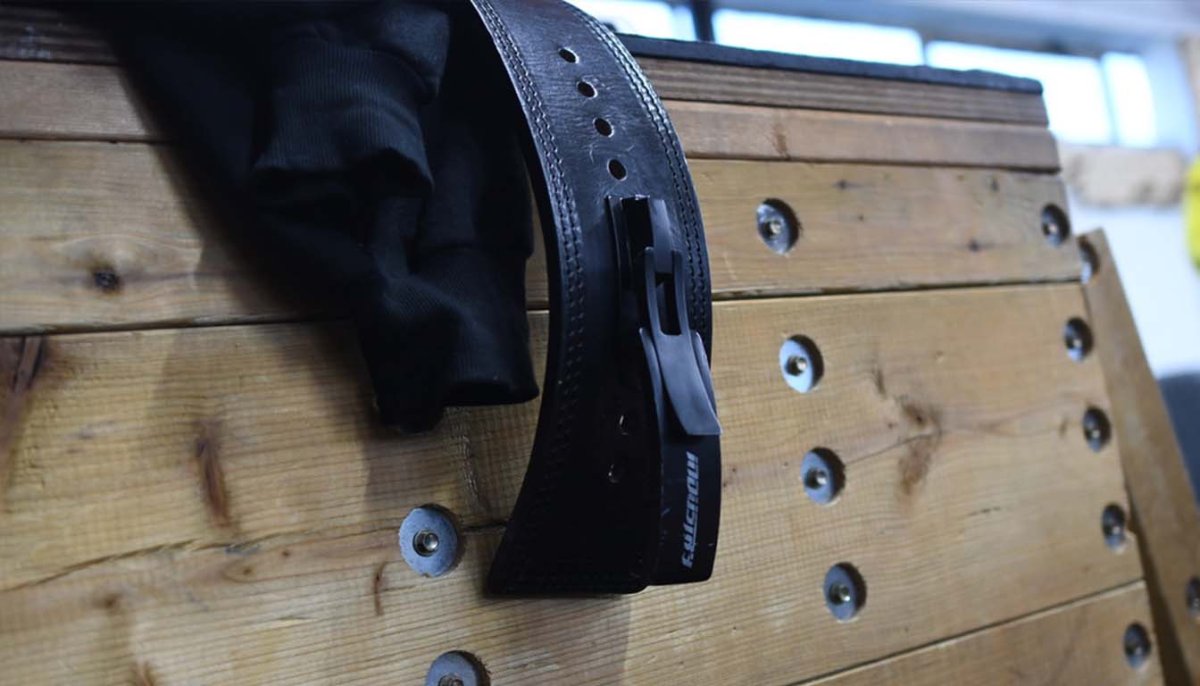
For a different training fit, Team Industry also offers the Team Industry Stringer and Industry Performance Leggings. If you’re choosing equipment for lifting, the Team Industry Lifting Belt is another option, though it doesn’t replace sound deadlift technique or rehabilitation advice. Browse the Team Industry training range to see the apparel and equipment available.
Visit Team Industry online to explore the range.
Make Your Next Session a Controlled One
Make your next training block about consistent decisions, not proving your strength in every set. Record how each lift feels, keep your technique repeatable, and adjust the session if arm pain changes your movement. This gives you a practical way to keep both training goals and tendon health in view. Grip training to avoid bicep tears works best as part of a broader approach, not as a substitute for sound lifting habits or medical care when symptoms arise.
For gym clothing, browse the Industry Oversized Tee, Team Industry Stringer and Industry Performance Leggings. Apparel can support your training routine, but it doesn’t prevent or treat a tendon injury.
Contact Team Industry to discuss your training, and take your next step with a clear plan.
Frequently Asked Questions
How easy is it to obtain a bicep injury?
A biceps injury isn’t inevitable, but a tendon can tear when a load exceeds what the muscle can handle. The outcome can be serious: without surgery, a complete tear near the elbow can cause up to 30% loss of elbow-flexion power and up to 50% loss of supination strength. Sudden pain, a pop and immediate weakness need prompt attention rather than another lifting attempt.
What can a person do to avoid a torn bicep in the gym?
Prepare your shoulders, arms and trunk before demanding lifts, and don’t let a stronger muscle group hide a weak lifting position. A practical warm-up can include five minutes of arm-muscle stretching before and after exercise. Tight hamstrings or a weak core can contribute to back rounding, so consider mobility and trunk control alongside your lifting technique.
How can grip training help prevent biceps tendon tears?
Grip training can support forearm control, but a stronger grip alone cannot make a tendon tear-proof. Risk still depends on the force placed through your arm and how you handle the bar. Treat grip drills as accessory work, not permission to increase load suddenly. If your forearm or elbow hurts during a drill, stop rather than forcing the set.
What causes biceps tears during lifting or gripping?
A tear occurs when the biceps muscle faces a load it cannot handle. A sudden increase in lifting demand can outpace tendon adaptation, while repeated hard work can add strain over time. Anabolic steroid use may also put tendon integrity at risk when strength rises rapidly. The key issue is the mismatch between the force applied and what the tendon is prepared to tolerate.
How should I progress grip-training weight, sets and repetitions safely?
After an injury, follow the rehabilitation plan and progress resistance or repetitions gradually over weeks and months. For supported biceps curls, the guidance gives 2-3 sets of 12-15 repetitions, with weight increased by approximately 1 pound per week as tolerated. These figures are not a target for painful training. Stop if pain increases significantly or sharp, shooting pain occurs.
Can heavy deadlifts or mixed grip increase the risk of a biceps tear?
Deadlifts are the most common setting for biceps tears among strength athletes, particularly when the arm pulls rather than holds the bar. A mixed grip places one hand palm-up, but grip choice alone doesn’t determine whether a tear will occur. Keep both arms controlled, avoid curling against the bar, and don’t turn a heavy attempt into a sudden load jump.
Share:
Gym clothing brands for UK lifters, with prices and fit
Where to Buy Lifting Gear in the UK