

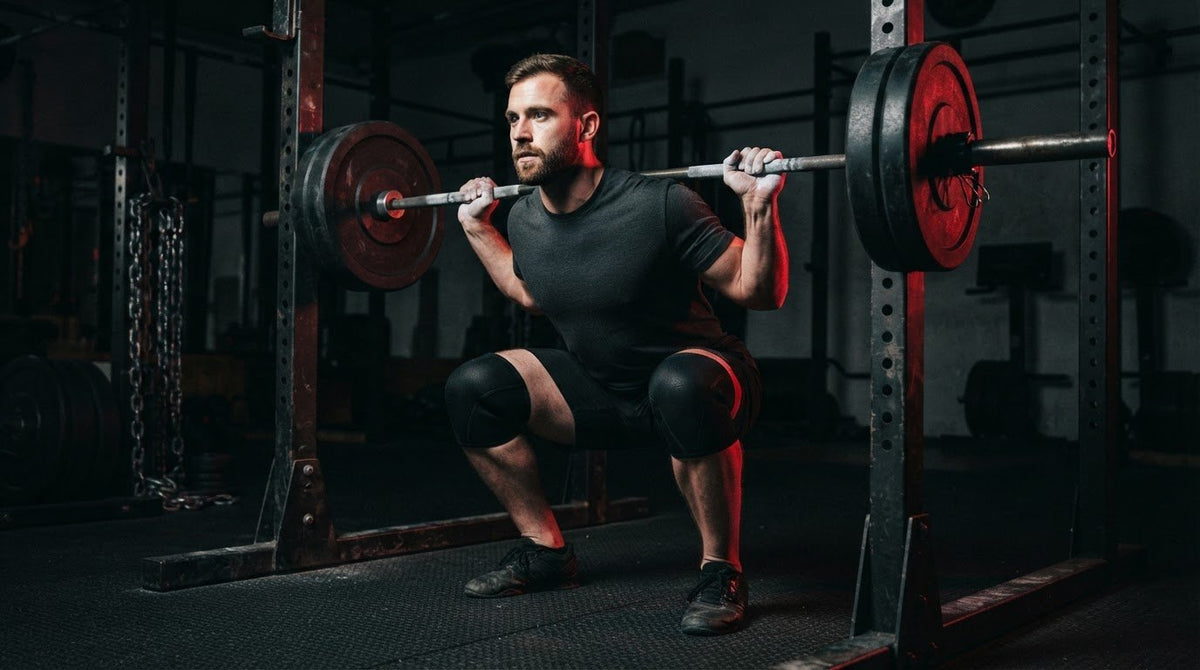
What if knee sleeves make a heavy squat feel steadier without making your joints injury-proof? If you’ve felt nagging discomfort during squats or worry about long-term wear and tear, it’s natural to ask: do knee sleeves prevent injury?
Sleeves can offer warmth, compression and better awareness of your knee’s position, which may help you feel more stable as you lift. But research doesn’t support treating them as a guarantee against injury. They’re also different from rigid or hinged medical braces, which are designed to restrict movement and provide greater structural support.
This guide separates what sleeves can do from what they can’t. You’ll learn how they may support more confident lifting, when wearing them makes sense, and why sound technique, warm-ups and strength work still matter. The goal is a practical way to manage discomfort and lifting risk, without relying on gear to solve every knee problem.
Key Takeaways
- Wondering, “do knee sleeves prevent injury”? Learn what they may contribute to lifting confidence and why they can’t guarantee protection.
- Understand how compression and increased awareness of knee position differ from the structural support of a medical brace.
- Choose sleeve thickness with your training style and range of motion in mind, rather than assuming more support is always better.
- Get practical guidance on fit and when to wear sleeves, while keeping sound technique and preparation central to your training.
The Science of Support: How Knee Sleeves Actually Work
Knee sleeves are close-fitting compression garments, commonly made from neoprene. They warm and cover the knee, but they aren’t hinged braces and don’t mechanically restrict movement or repair damaged tissue. Lifters use them in sports such as Olympic weightlifting, where repeated squatting places the knees under load.
So, do knee sleeves prevent injury? Not on their own. Their practical value is more modest: warmth, compression and sensory feedback may help you feel more aware and comfortable during a lift, but they can’t replace sound technique or appropriate recovery.
For a visual overview of how lifters use sleeves, watch this video:
Proprioception and Joint Stability
Proprioception is the body’s ability to sense movement and position. Sleeve pressure against the skin can provide extra sensory feedback about where your knee is as you descend and stand. That cue may help you monitor your movement and notice technique changes, especially as fatigue builds. It doesn’t correct form automatically, so keep your brace, depth and knee tracking consistent.
The Role of Compression in Recovery
Neoprene helps retain warmth around the knee. Warming can affect blood flow and make synovial fluid less viscous, but sleeves aren’t a treatment for an injury, and these effects shouldn’t be treated as a guarantee of better joint function. Compression may feel supportive during high-volume work and help manage minor swelling, but discomfort that worsens deserves attention. Sleeves don’t replace rest.
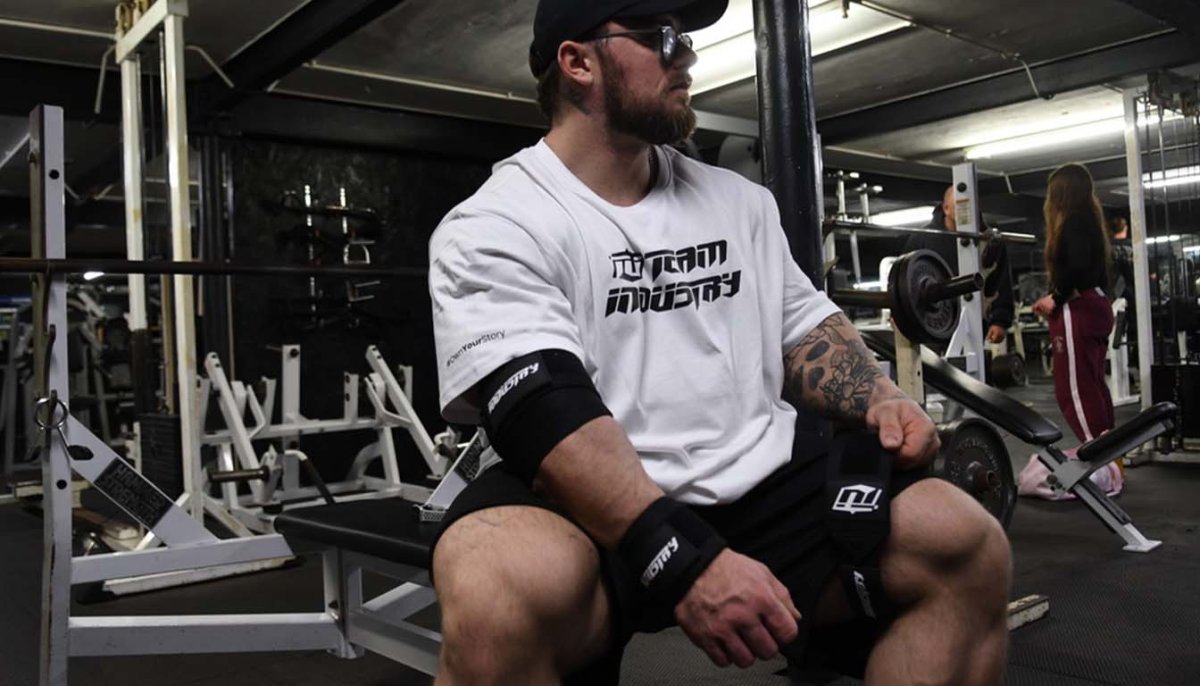
Use them as one part of a sensible training setup, alongside progressive loading and recovery. Explore Team Industry joint support options for strength-training gear, including Heavy Duty Knee Sleeves.
Prevention vs. Risk Reduction: Addressing the Injury Myth
Knee sleeves can provide warmth and compression, but they can’t guarantee injury prevention. They don’t mechanically stabilise a damaged ACL or MCL, heal tissue, or prevent an acute ligament tear. If you suspect an injury, don’t use a sleeve to mask symptoms or continue lifting through pain.
A sleeve can also provide a tactile cue around the knee, but it won’t fix poor squat mechanics. Use that feedback to check your movement, not as permission to lift through technical breakdowns. Warmth may improve comfort, particularly in a cold training environment, but sleeves don’t make a joint injury-proof.
Sleeves vs. Knee Wraps: Knowing the Difference
Sleeves provide passive compression and warmth while allowing normal movement. Knee wraps are wound tightly around the joint; their tension can store and return energy from the bottom of a squat, so some lifters use them for maximal attempts. They aren’t interchangeable. Choose support based on your training needs and any applicable competition rules, not on the assumption that more restriction means more protection.
When Sleeves Cannot Prevent Injury
Sleeves won’t protect you from ego lifting, chronic overtraining, fatigue or rushed technique. Start with a progressive warm-up, use loads you can control, and adjust your training if pain or form changes. Treat sleeves as an optional aid, not a replacement for preparation, sensible programming or recovery. For strength-training support options, explore Team Industry’s joint support collection.
Choosing the Right Thickness for Your Training Style
Thickness affects how a sleeve feels, but it isn’t a measure of injury protection. A thicker sleeve often feels more compressive and may restrict movement more, while fit, material and construction also influence support. Use your training movements as the guide: the sleeve should feel secure without stopping you from reaching your normal squat depth or moving comfortably.
5Mm Sleeves: The All-Rounder
A 5mm sleeve can suit functional fitness, high-rep bodybuilding and general gym sessions where you need to move freely between exercises. It offers warmth and a close-fitting cue around the knee, while typically allowing easier movement for lunges and cleans than a thicker option. If your session mixes movements, prioritise comfort and unrestricted technique.
7Mm Sleeves: For Heavier Lifting
A 7mm sleeve is commonly chosen for heavy squats, leg presses and strongman training. Its thicker profile can create a firmer, more compressive feel, and some lifters notice more resistance as they come out of the bottom of a squat. That sensation isn’t a substitute for strength or technique, and a sleeve that limits your movement or causes discomfort isn’t the right fit.
Try the sleeve during warm-ups before relying on it for working sets. Check that it stays in place and doesn’t compromise your depth, bracing or knee tracking. If you’re still asking, “do knee sleeves prevent injury?”, remember that thickness doesn’t make any sleeve a guarantee against injury.
For high-intensity training, Team Industry’s Heavy Duty Knee Sleeves are designed for durability. Review the product details for confirmed sizing and specifications, then choose based on your training needs. For guidance on another strength accessory, read Mastering Your Pull.
Maximising Joint Longevity with Team Industry Gear
Build sleeves into your session deliberately. They can add warmth and compression, but they don’t replace a sound warm-up or sensible load management.
- Warm up first. Start with movement and lighter sets before your working weight.
- Put sleeves on as your knee work begins. Check they stay in place and don’t limit your range of motion.
- Monitor how they feel. Remove them if they cause pain, numbness or unusual discomfort.
- After training, follow the care instructions provided with your sleeves. Let them dry fully before storing to help keep them fresh.
How to Size Your Sleeves Correctly
For a starting measurement, measure around the centre of your knee joint with your leg straight, then compare it with the product’s size guide. A snug fit supports compression; a fit that’s too loose may shift during lifts, while an overly tight fit can be uncomfortable or restrict movement. “Competition tight” isn’t automatically better for everyday training. Choose a secure, comfortable fit that lets you squat and move normally.
Building a Complete Support System
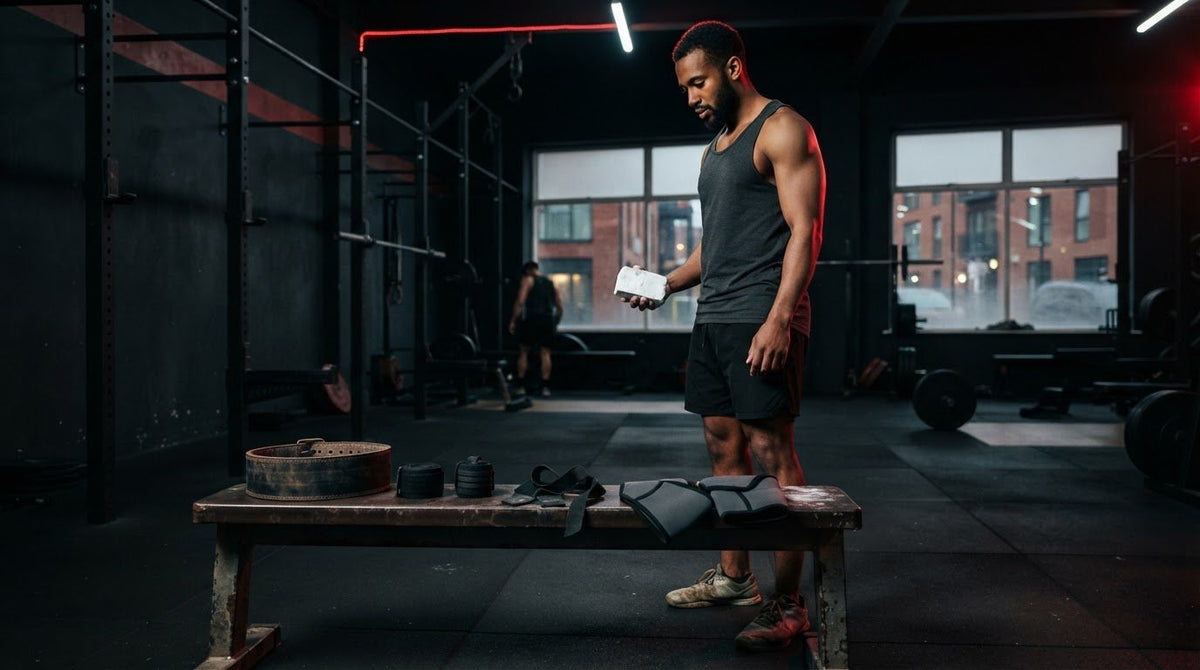
Knee sleeves and weight lifting belts serve different roles: sleeves provide compression and warmth around the knee, while a belt can give you a cue for bracing your trunk. Neither removes fatigue or makes a lift risk-free. Treat both as tools within a wider plan built on technique, appropriate loading and recovery. If you’re still wondering, “do knee sleeves prevent injury?”, remember that no fit or accessory can guarantee that outcome.
Team Industry’s Heavy Duty Knee Sleeves are designed for demanding strength training. Shop the full Team Industry range to prepare for your next heavy session.
Lift with Confidence and a Clear Plan
So, do knee sleeves prevent injury? No sleeve can guarantee that you’ll avoid injury. They can provide warmth, compression and sensory feedback, but safe, consistent lifting still depends on sound technique, preparation and recovery.
Choose thickness and fit for your training. A sleeve should feel secure without restricting normal movement. Treat it as one part of your strength toolkit, not a fix for pain, poor form or excessive loading. If knee discomfort persists or worsens, don’t rely on equipment to mask it.
Team Industry’s Heavy Duty Knee Sleeves are designed for powerlifting and strongman training, with durability suited to demanding sessions. They’re part of a professional-grade equipment range tested by lifters globally. Upgrade your training with Team Industry Heavy Duty Knee Sleeves and make support gear one considered part of your training plan. Keep building strength with patience, consistency and confidence.
Frequently Asked Questions
Can I wear knee sleeves every day for training?
Yes, you can wear knee sleeves for each training session if they feel comfortable and don’t restrict movement. They’re optional, not a requirement for every workout. Check your skin and knees after training, and remove the sleeves if you notice irritation, numbness or unusual discomfort. Follow the care instructions and let them dry fully before storing.
Do knee sleeves help with existing tendonitis or arthritis?
Knee sleeves may provide warmth and compression that some lifters find comfortable, but they don’t treat tendonitis or arthritis. Don’t use a sleeve to mask pain so you can keep lifting through it. If symptoms are persistent, worsening or affecting daily movement, pause aggravating training and seek advice from a qualified healthcare professional about suitable activity and support.
Should I buy 5mm or 7mm knee sleeves for powerlifting?
For powerlifting, choose the thickness that gives you useful support without compromising your squat position. A 7mm sleeve generally feels firmer and more compressive, which some lifters prefer for heavy squats. A 5mm option may feel less restrictive. Try the fit and movement during warm-ups, and check any applicable competition requirements before choosing equipment for an event.
How tight should my knee sleeves be for injury prevention?
A sleeve should fit snugly enough to stay in place and provide compression, but it shouldn’t cause pain, numbness or tingling, or restrict your movement. Follow the specific size guide and assess the fit while bending your knee. If you’re asking, “do knee sleeves prevent injury?”, a tighter fit isn’t a guarantee of protection. Comfort and sound lifting practice still matter.
Will wearing knee sleeves make my joints weaker over time?
Wearing sleeves doesn’t automatically make your joints weaker. They provide external compression and sensory feedback, but they don’t replace the strength and coordination built through training. Keep developing the muscles around your knees with appropriate exercises and loads. You can choose to wear sleeves for some sessions and not others, provided your movement stays controlled and comfortable.
Share:
How to Protect Your Hands When Lifting: A Practical Guide
How to Protect Your Hands When Lifting: A Practical Guide