

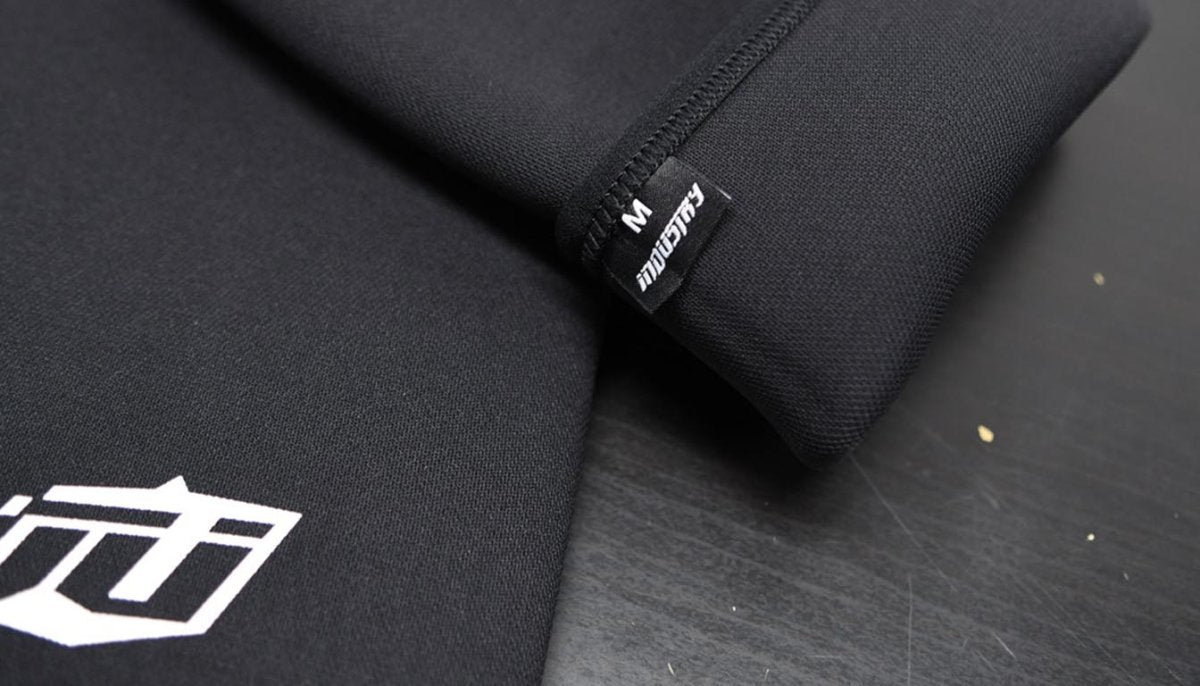
A knee sleeve isn't just a piece of neoprene to keep your joints warm; for the serious strength athlete, it's a mechanical tool designed to store and release kinetic energy. if you've ever felt a sleeve slip mid-set or heard the sound of a seam popping under a heavy load, you know that standard gym gear often fails when the weights get heavy. Finding the best knee sleeves for heavy squats requires looking past marketing hype to focus on neoprene density and structural integrity.
It's frustrating when you can't tell if a sleeve is stiff enough for a personal best or if it'll just bunch up behind your knee during a set. You want equipment that stays put and provides that crucial rebound out of the hole without leaving your joints aching for days. We've designed this guide to help you select sleeves that offer both a mechanical advantage and the dependable protection required for elite-level lifting, backed by our commitment to reliability and professional strength standards.
We'll examine the specific construction features that prevent sliding, explain the technical differences between training and competition sleeves, and provide the criteria you need to make an informed investment in your performance.
Key Takeaways
- Understand the "rebound" effect and how high-density neoprene provides a mechanical advantage when driving out of the hole.
- Learn why high-grade SCR neoprene and reinforced stitching are essential features when searching for the best knee sleeves for heavy squats.
- Use the two-point measurement method to achieve a perfect balance between training comfort and a secure competition-style fit.
- Explore how professional-grade Heavy Duty Knee Sleeves provide the durability needed for elite-level prep and long-term joint protection.
The Physiology of Support: Why Heavy Squats Demand Professional Sleeves
Many lifters view knee sleeves as simple joint warmers. While thermal management is vital, the best knee sleeves for heavy squats function as high-performance tools that provide a distinct mechanical advantage. When you're handling loads exceeding twice your bodyweight, the compression from high-density neoprene stores elastic energy at the bottom of the squat. This stored energy translates into a tangible "rebound" out of the hole, allowing for greater stability during maximal efforts.
Professional athletes rely on supportive equipment in powerlifting to bridge the gap between their raw strength and the extreme demands of high-intensity training. Standard commercial sleeves often fail under these loads, losing their shape and compression. In contrast, heavy-duty options, such as the Heavy Duty Knee Sleeves from Team Industry, maintain their structural integrity. This ensures your brain receives clear proprioceptive feedback throughout the entire range of motion, improving your brain-to-muscle connection during heavy triples.
To better understand how these tools influence your performance, watch this helpful video:
Beyond mechanical help, these sleeves play a critical role in joint health through heat retention. Maintaining a high temperature around the knee joint keeps the synovial fluid at an optimal viscosity. This lubrication reduces friction between the joint surfaces, which is essential when the pressure on your patella reaches its peak during a heavy session.
Compression vs. Mechanical Advantage
Compression grades vary significantly based on material thickness. While 5mm sleeves are suitable for general bodybuilding, 7mm sleeves are the industry standard for strength sports because they offer superior resistance. Rebound is the kinetic energy return provided by material resistance during knee flexion. This resistance doesn't just support the joint; it actively assists the lifter in overcoming the sticking point of a heavy squat. Choosing the best knee sleeves for heavy squats means selecting a material density that won't bottom out under your specific training loads.
Protecting the Patella Under Load
Maintaining proper joint alignment is critical when you're squatting near your 1-rep max. High-grade sleeves assist in tracking the patella during high-intensity eccentric movements, preventing the micro-shifts that often lead to inflammation. By providing lateral stability, these sleeves ensure the knee joint remains secure under heavy compression. This protection allows you to focus entirely on the lift rather than worrying about joint discomfort or instability.
Evaluating the Best Knee Sleeves for Heavy Squats
Selecting the best knee sleeves for heavy squats requires a technical understanding of neoprene grades. Most commercial sleeves use SBR neoprene, which is cost-effective but prone to compressing too easily under high loads. High-grade SCR neoprene provides the density required for maximal efforts, ensuring the material doesn't bottom out when you're in the hole. While a study on knee sleeve biomechanics indicates that sleeves won't magically add weight to your total, the stability they offer is undeniable for high-intensity prep.
Seam integrity is a priority for any lifter handling serious tonnage. You should look for reinforced stitching that can withstand the extreme internal pressure of a deep squat. Standard seams often pop during heavy triples, leading to total equipment failure. Our Heavy Duty Knee Sleeves are designed with these specific stress points in mind, utilizing heavy-duty construction to prevent blowouts during maximal efforts.
Coverage matters for both protection and legality. A 30cm length is the "Goldilocks" zone for most UK strength federations, providing maximum joint coverage without violating competition regulations. An anatomically pre-curved design ensures the sleeve follows the natural bend of your leg. This prevents the painful bunching behind the knee that often occurs with cheaper, straight-tube designs.
Thickness: Is 7mm Always the Answer?
7mm neoprene is the recognized standard for heavy squats because it balances compression with mobility. It's the logical choice for lifters moving from light fitness sleeves to serious strength equipment. While 9mm options exist for Strongman or extreme loads, they often sacrifice the versatility needed for a full training session. You should transition to heavy-duty support once your training volume and intensity consistently exceed standard gym gear's limits.
Stiffness and Material Memory
There is a distinct difference between stiff competition sleeves and pliable training sleeves. Competition-style sleeves offer more "bite" but can be difficult to wear for an entire session. High-quality equipment utilizes material memory, which ensures the neoprene snaps back to its original shape after every rep. This durability is what separates professional gear from disposables that lose their tension after a few months of use.
Performance Sizing: How to Find the Perfect Fit
Finding the right size is the most critical step in securing the best knee sleeves for heavy squats. If a sleeve is too loose, you lose the mechanical advantage discussed in earlier sections. If it's too tight, you risk cutting off circulation or wasting valuable energy just putting them on. We recommend a "Two-Point" measurement approach. Use a flexible tape to measure the largest part of your calf and the center of your knee joint while your leg is straight. This ensures the sleeve can pass over your lower leg without damaging the reinforced seams.
You must decide between a Comfort Fit and a Competition Fit. A Comfort Fit follows the standard size chart and is ideal for high-volume training sessions. A Competition Fit involves choosing one size smaller for maximum compression. While this provides more "bite" out of the hole, it can be physically demanding to wear for long periods. Use the "Pull-Up" test to save your grip strength: fold the top and bottom of the sleeve inward, pull it into position, and then unfold. This simple method preserves your energy for your opening set.
The Sizing Guide for Strength Athletes
- Measure both legs. Asymmetry is common; always size for the larger leg to ensure consistent support.
- Keep the tape snug but do not compress the skin during measurement for an accurate reading.
- Avoid extreme downsizing. If the sleeve causes numbness or tingling, it is too small and will hinder your performance by restricting blood flow.
Longevity and Care
Neoprene is a durable material, but it's sensitive to heat and harsh chemicals. To prevent "gym funk," hand-wash your sleeves in cold water with a mild detergent. Never use a machine dryer. High heat breaks down the neoprene fibers, leading to a loss of material memory and elasticity. Air-dry them flat to maintain their anatomical shape over time. For a complete support system, pair your sleeves with professional lifting belts to ensure total core and joint stability during your heaviest sessions.
Ready to upgrade your training kit? Browse our collection of Heavy Duty Knee Sleeves to find your perfect fit today.
The Team Industry Solution: Heavy Duty Support for Elite Lifters
While many lifters default to generic brands found on social media, experienced strength athletes understand that the best knee sleeves for heavy squats are those built for specific operational demands. We engineered our Heavy Duty Knee Sleeves to bridge the gap between standard gym accessories and professional-grade competition gear. These sleeves handle the extreme internal pressures of Strongman and Powerlifting prep, providing a dependable foundation when the weight on the bar reaches its peak.
Consistency is vital for long-term progress. Our construction focuses on high-load durability, ensuring that the compression you feel on day one remains the same after months of high-intensity training. These sleeves integrate seamlessly with our all industry strength gear, allowing you to build a cohesive support system that includes everything from lever belts to reinforced wrist wraps. When your equipment works together, you can focus entirely on your technique and execution.
Consider this final checklist for your next investment:
- Material Grade: High-density SCR neoprene that won't bottom out under heavy loads.
- Structural Integrity: Reinforced stitching designed to prevent blowouts during maximal eccentric movements.
- Proven Performance: Equipment tested by active athletes within UK strength federations.
- Anatomical Support: A design that prioritizes lateral stability and patellar tracking.
Designed by Lifters, for Lifters
We maintain a grounded brand philosophy that prioritizes real-world results over hyperbolic marketing. Our gear is tested in the grit of UK gyms, ensuring it stands up to the reality of cold garage sessions and high-stakes platforms. By choosing Team Industry, you're partnering with a specialist brand that understands the British strength community. We invest back into the lifting scene, ensuring that our growth supports the infrastructure of the sports we serve.
Ready to Hit a New PB?
As your strength levels progress, your requirements for joint protection and mechanical advantage change. Don't let outdated or inferior gear limit your potential or compromise your safety. Upgrading to the best knee sleeves for heavy squats is a pragmatic decision for any lifter serious about their longevity and performance. Take the next step in your strength journey with equipment you can trust.
Shop the Team Industry Heavy Duty Knee Sleeves today and experience the difference of professional-grade support.
Secure Your Strength for the Next Session
Selecting the right equipment is a pragmatic investment in your lifting longevity. You now understand that the best knee sleeves for heavy squats provide more than just warmth; they offer a tangible mechanical rebound and the lateral stability required for maximal efforts. By prioritizing high-density SCR neoprene and utilizing precise two-point measurements, you ensure your gear actively supports your performance rather than hindering it.
We remain committed to providing the UK strength community with equipment that survives the rigours of professional training. Our sleeves feature professional-grade 7mm neoprene and reinforced heavy-duty stitching. This construction has made them a trusted choice for athletes across the Powerlifting and Strongman landscape. When you have full confidence in your gear's structural integrity, you can focus entirely on the technical execution of the lift.
Don't let inferior equipment be the weak link in your training chain. Take a proactive approach to your joint health and performance goals. Upgrade to Team Industry Heavy Duty Knee Sleeves today. We look forward to seeing you hit your next personal best with equipment built to endure the heaviest loads.
Frequently Asked Questions
Do knee sleeves actually help you squat more weight?
Knee sleeves provide a mechanical advantage that can lead to increased numbers, though they don't replace raw strength. The compression from high-density neoprene creates a rebound effect at the bottom of the lift, which helps you drive out of the hole. This physical assistance, combined with the psychological confidence of a stable joint, often allows lifters to handle heavier loads more safely. They function as a performance tool rather than just a comfort accessory.
How tight should my knee sleeves be for heavy squats?
Your sleeves must be snug enough to stay in place throughout your entire set without shifting or bunching. A proper fit ensures the material provides consistent compression, which is essential when identifying the best knee sleeves for heavy squats. If you experience tingling, numbness, or a total loss of sensation in your feet, the sleeves are too tight. This level of restriction can hinder your performance by limiting blood flow during long sessions.
What is the difference between knee sleeves and knee wraps?
Sleeves are a continuous tube of neoprene designed for constant compression, while Weight Lifting Knee Wraps are long strips of elastic material you apply manually. Wraps provide significantly more tension and mechanical assistance, making them suitable for maximal attempts or specific strongman events. Sleeves are more versatile for general training and remain the standard choice for raw powerlifting competitions because they are easier to apply between sets.
Can I wear knee sleeves for every leg workout?
You can wear knee sleeves for every leg session, but it is often more practical to reserve high-compression versions for your primary squat days. Using Heavy Duty Knee Sleeves for lighter accessory movements might be unnecessary and can lead to faster wear of the neoprene. Many athletes prefer using their heaviest support for high-load sets to preserve the material's elasticity. This approach ensures you have maximum "bite" when you're approaching a personal best.
How do I stop my knee sleeves from smelling?
Preventing odors requires you to take your sleeves out of your gym bag immediately after every training session. Bacteria thrive in damp, dark environments, so turn the sleeves inside out and let them air-dry in a well-ventilated area. If they require a deeper clean, wash them by hand in cold water with a mild detergent. Avoid using a machine dryer at all costs, as the high heat will damage the neoprene fibers and degrade the material memory.


Share:
Heavy Duty Knee Sleeves: The Lifter’s Guide to Maximum Joint Support
How to Use Figure 8 Lifting Straps: The Professional Guide for Max Pulls in 2026